FREE SHIPPING on orders over $475
FREE SHIPPING on orders over $475 | No Code Needed
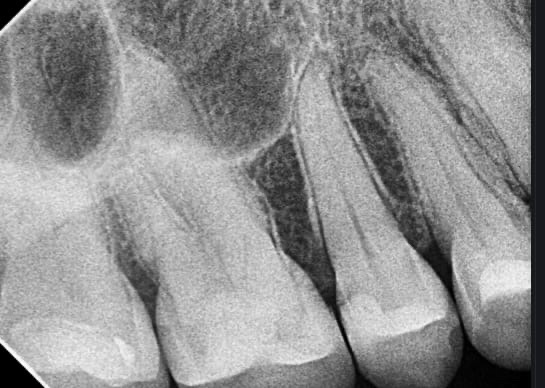
A 56 year-old female patient presented to the practice with discomfort in tooth #4 and food retention in the interproximal area in #3MO and #4DO. Radiographic and clinical evaluation revealed secondary carious lesions that required treatment.
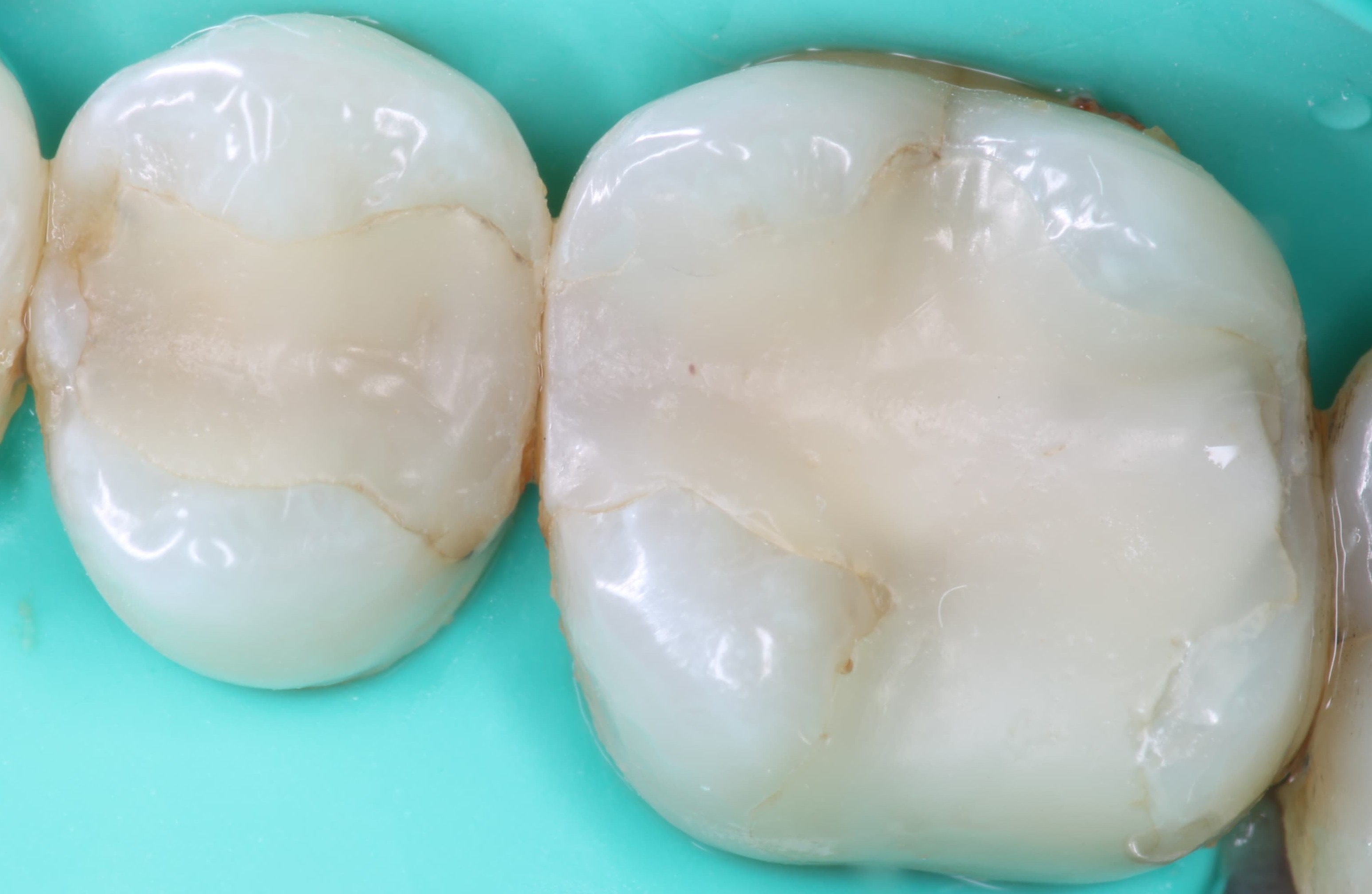
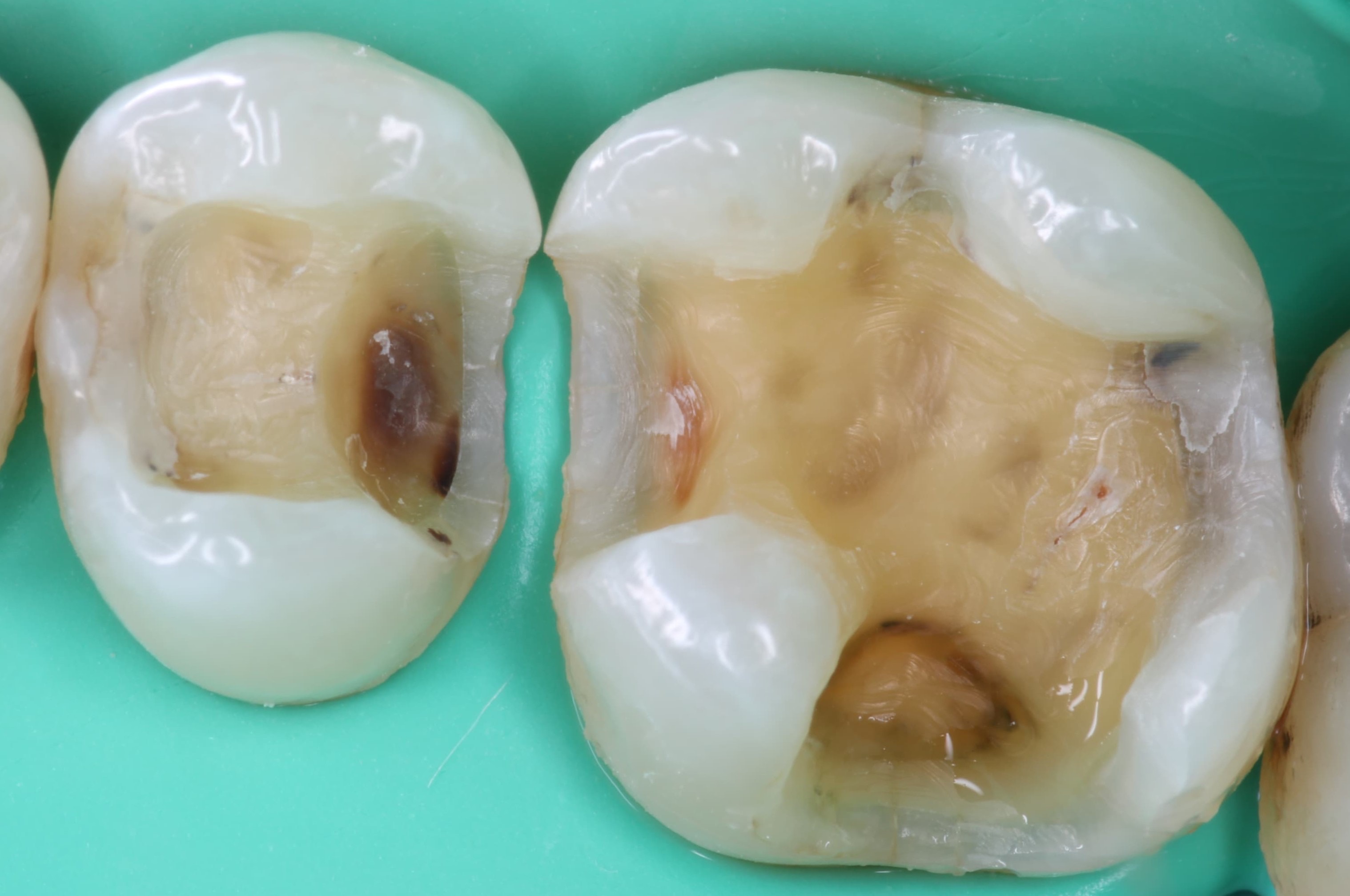
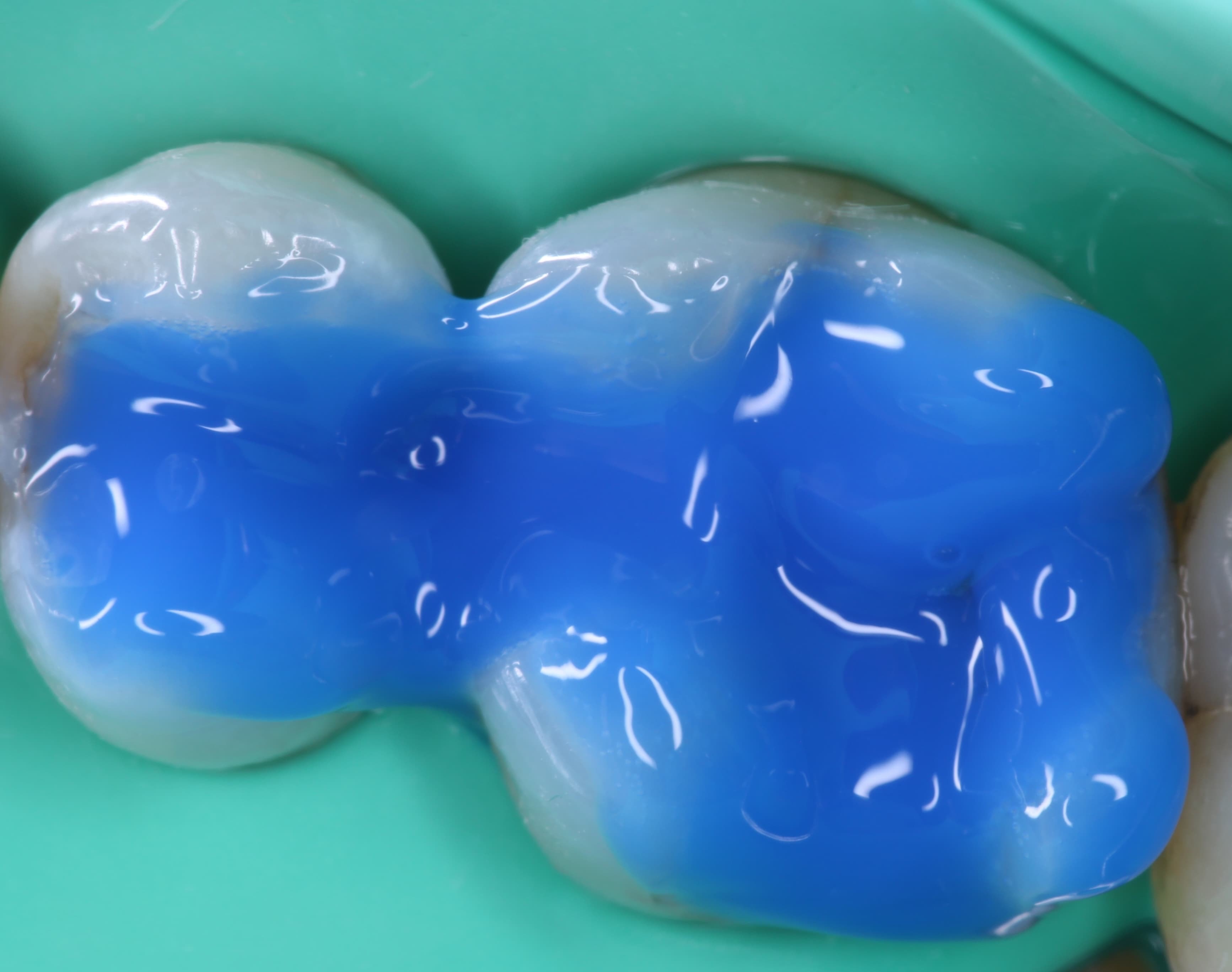
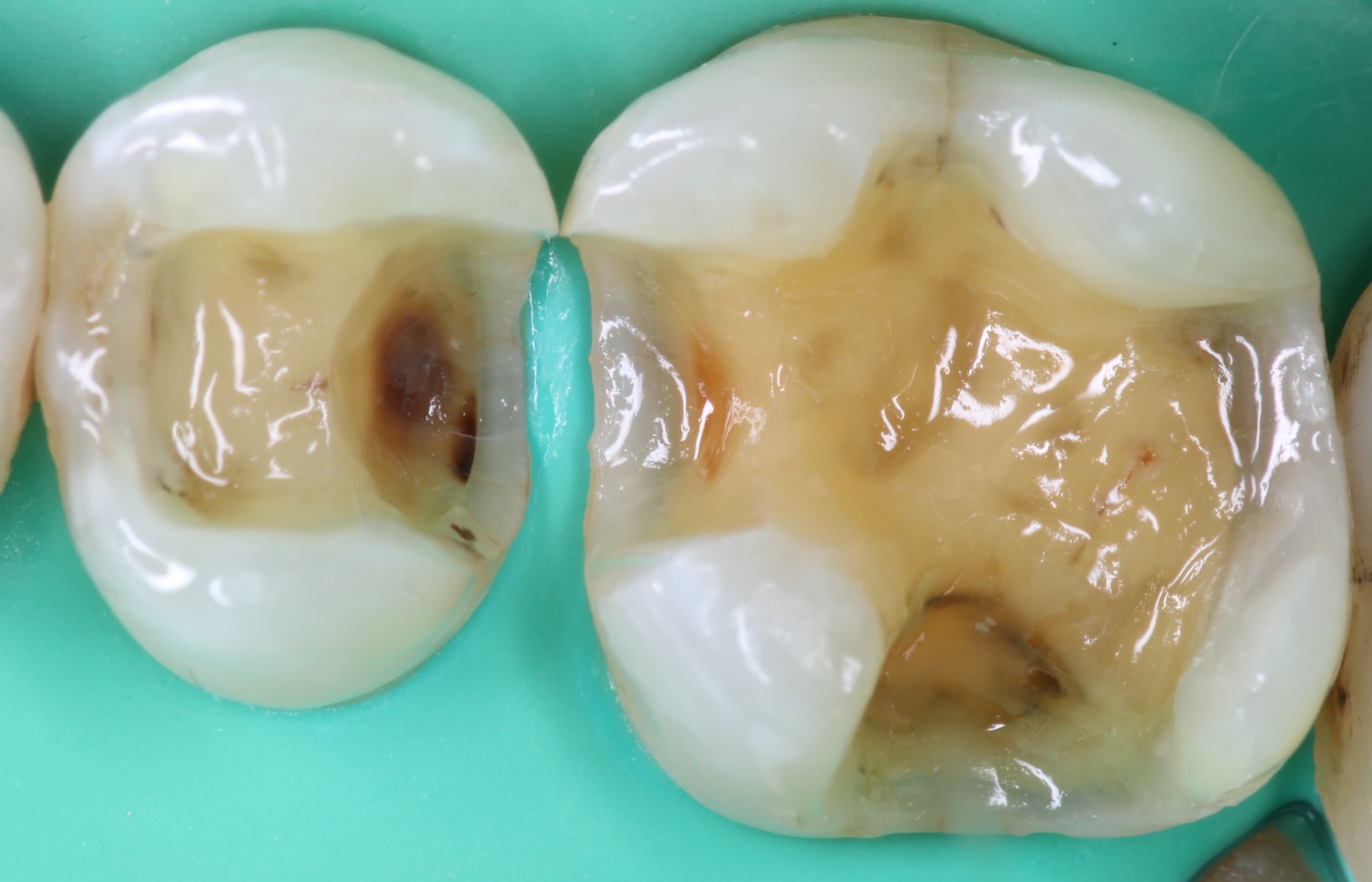
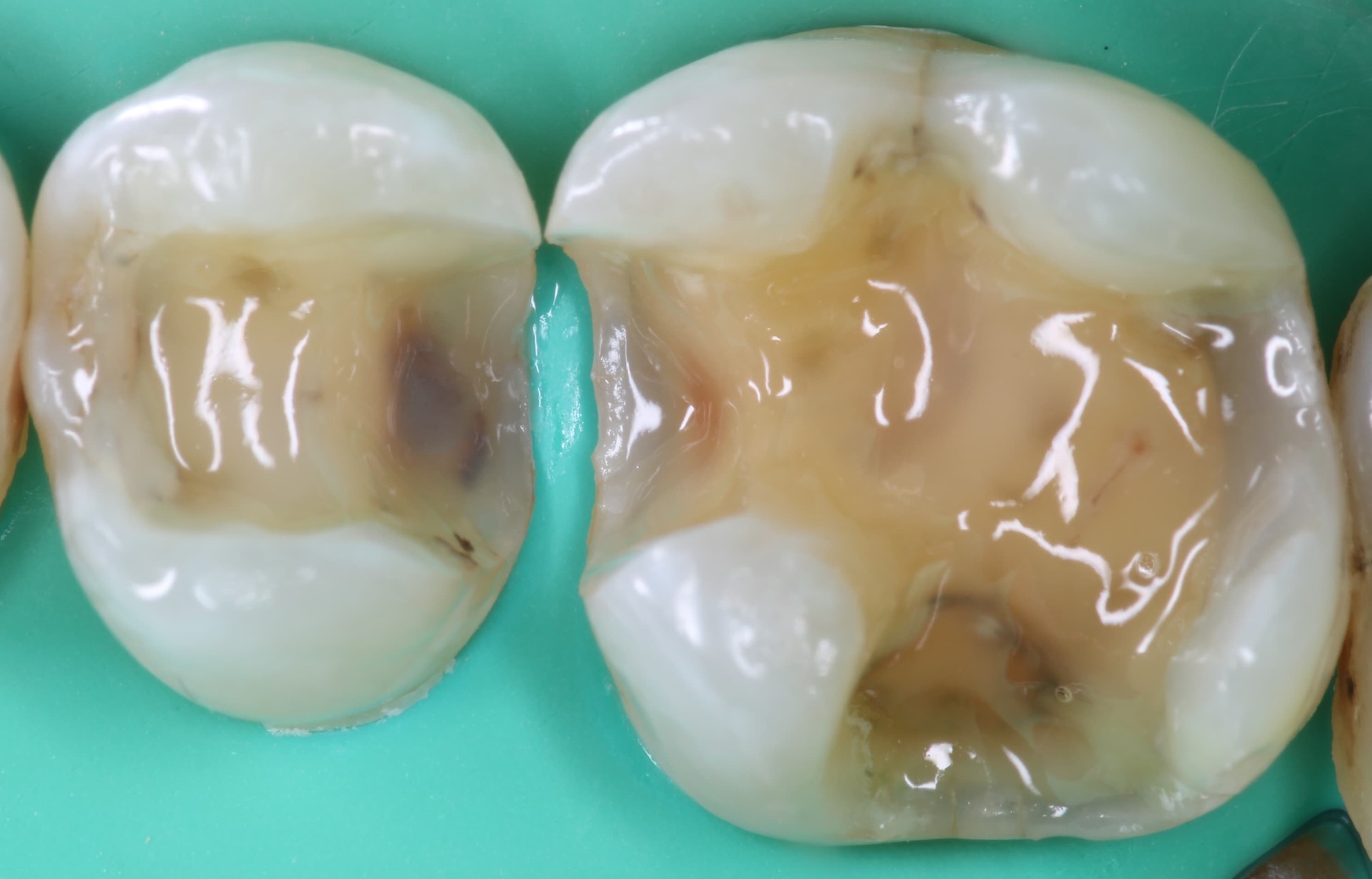
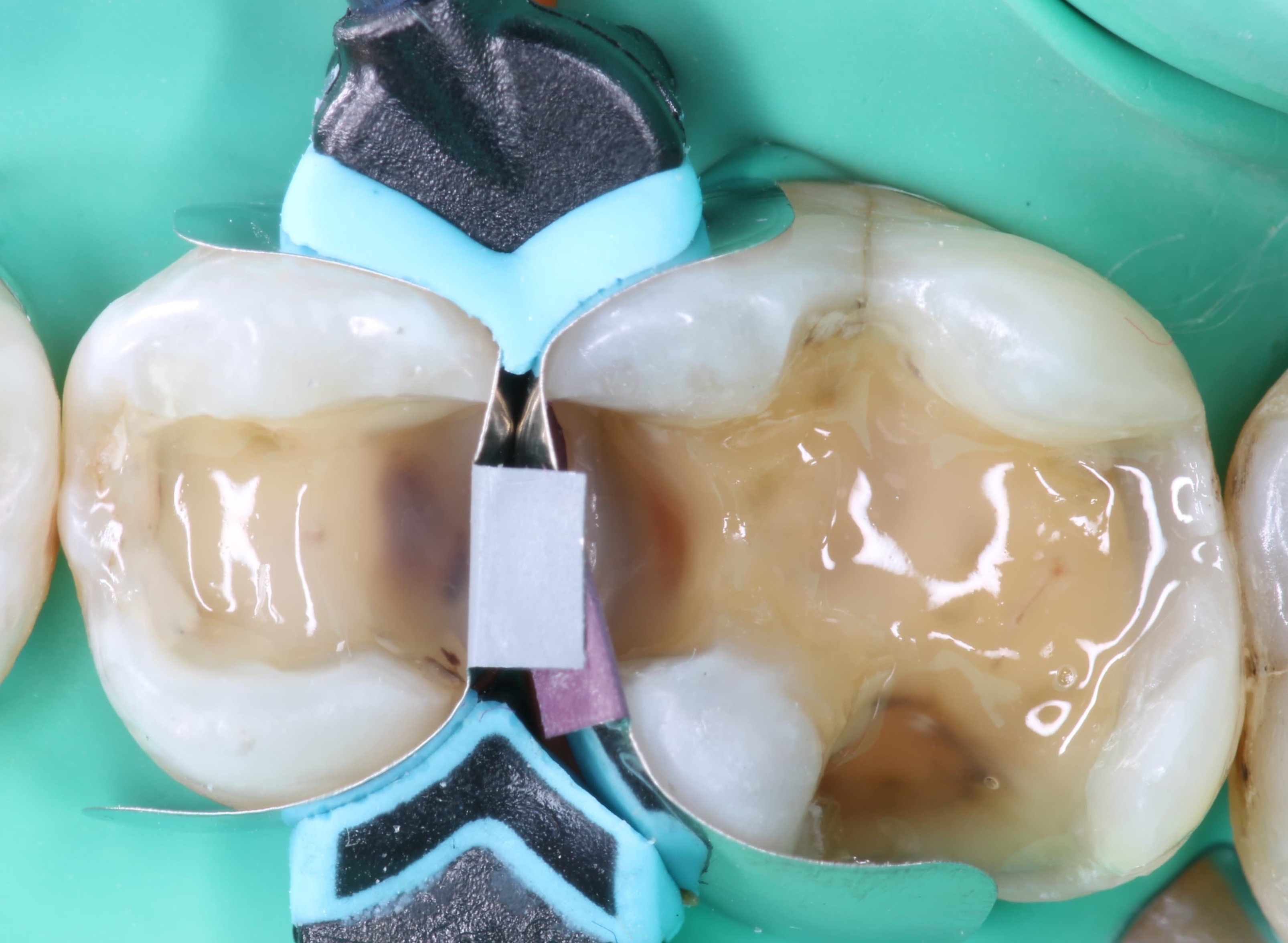
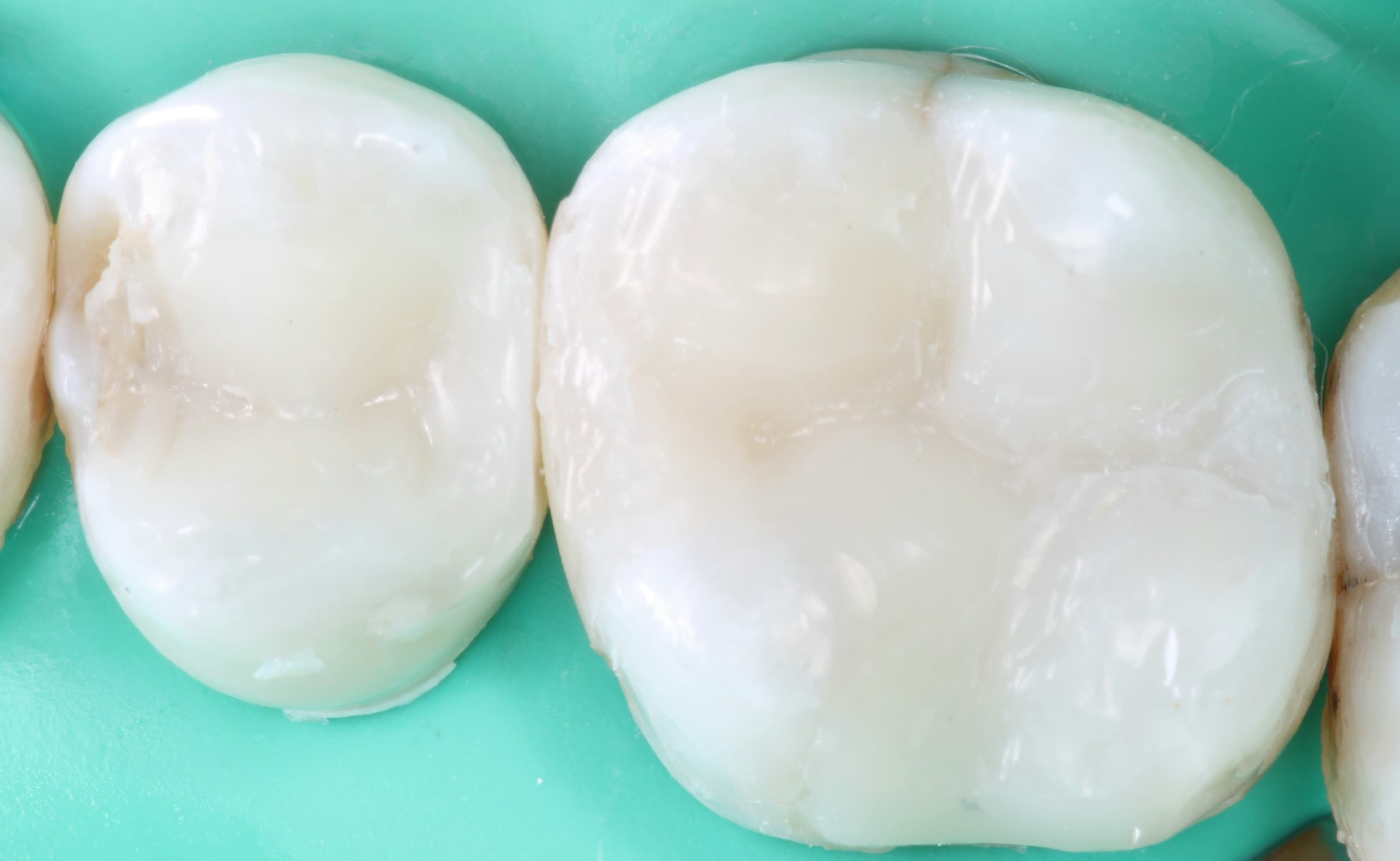
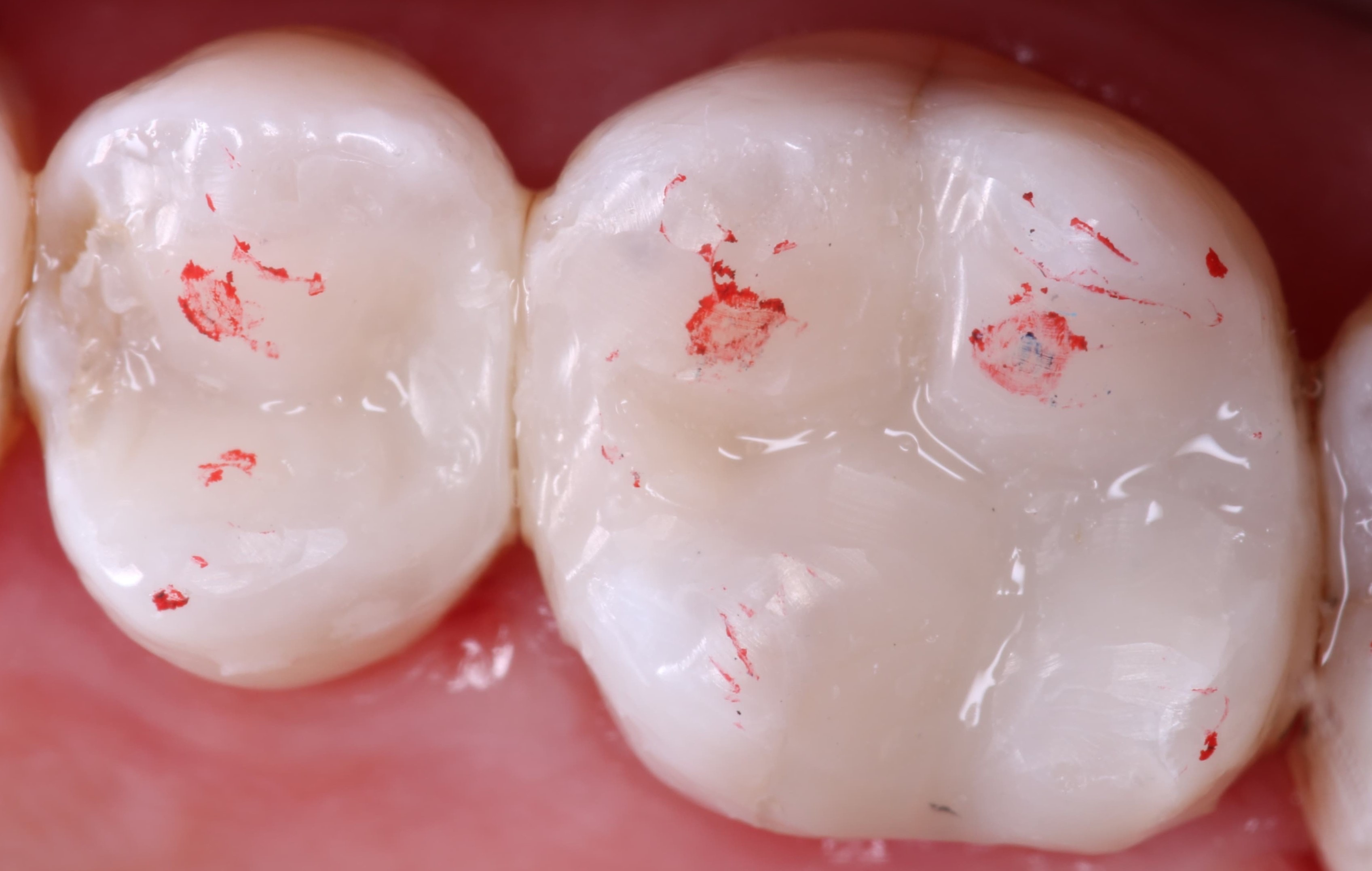
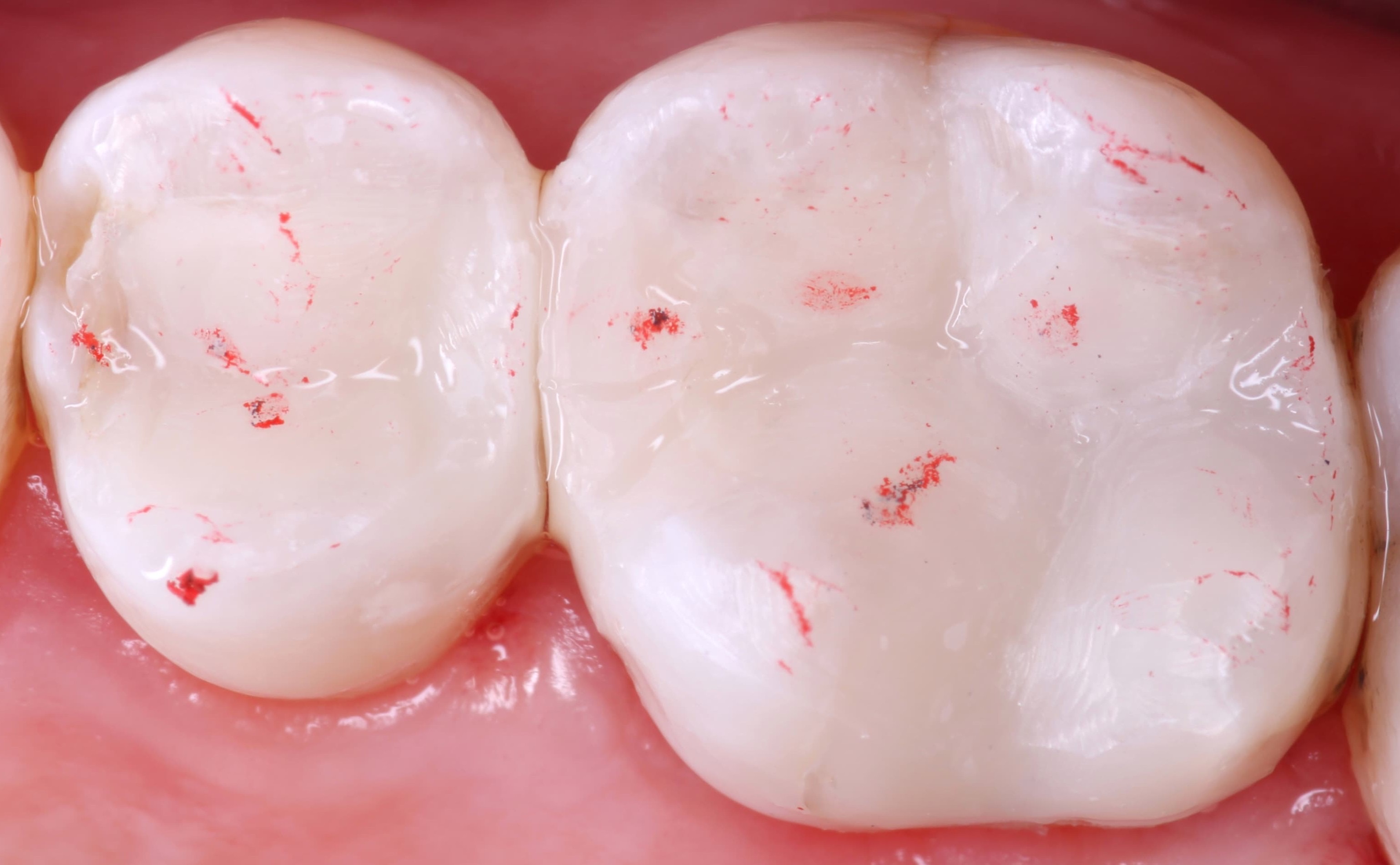
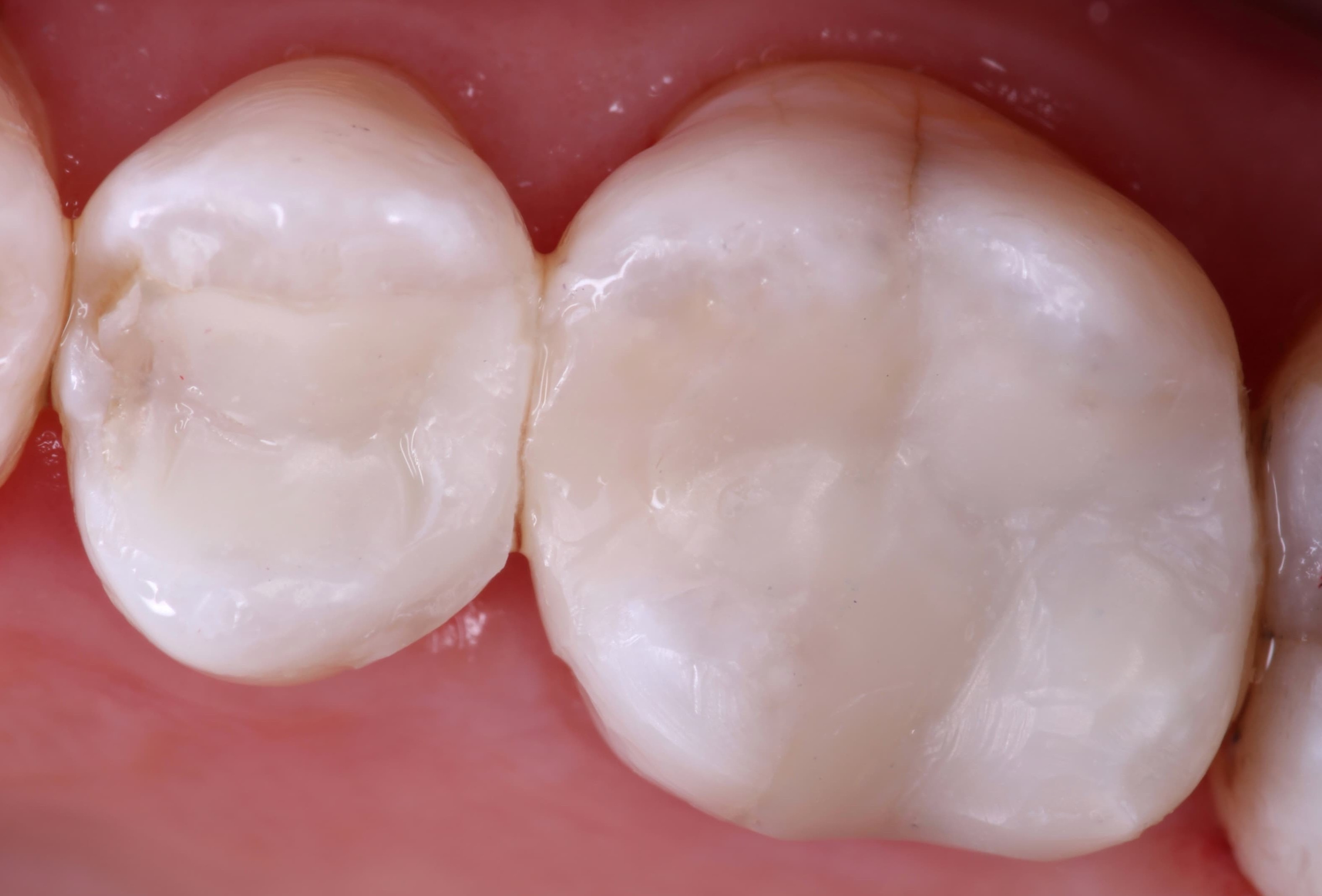
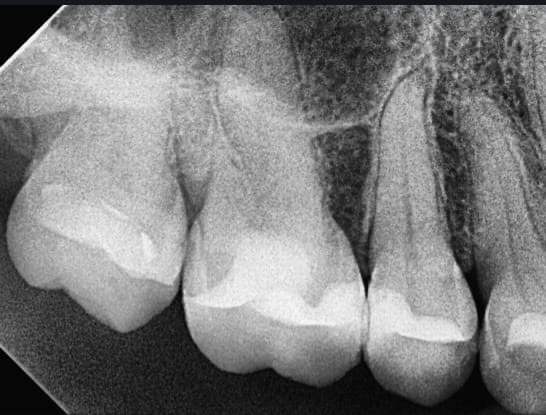
Radiographic evaluation confirmed secondary caries lesions in both teeth. Marginal failure of old composite restorations was observed. Absolute isolation was achieved with a medium-thickness Nic Tone rubber dam. Old restorations and carious tissue were completely removed, followed by sandblasting to clean the cavity surface. Total -etching was performed with 35% Ultra-Etch phosphoric acid for optimal conditioning of enamel and dentin. Two layers of the adhesive agent All-bond Universal were applied to enamel and dentin, each gently air-blown and light-cured. A 0.5 mm layer of fluid resin was placed after adhesive polymerization to improve the thickness of the adhesive layer and marginal sealing. Matrices, wedges, and rings from the QUAD system were selected and applied to restore interproximal walls with precision. Snowplow technique was used to build the proximal walls, a layer of uncured flowable composite was placed on the cavity floor and walls, and then immediately covered with a higher- viscosity packable composite, both layers were then light-cured simultaneously. Subsequently, the proximal walls were reconstructed, transforming the class II into a class I. The ring and matrix bands were then removed. The horizontal incremental technique was used to complete the occlusal morphology of both teeth. The restoration was completed and inspected without occlusal adjustment or polishing. Occlusal contacts were carefully verified and adjusted. Fine-tuning was performed to ensure harmonious contact distribution and proper function. The restoration was polished, showing excellent anatomical contour, contact points, and esthetics. Postoperative radiographic evaluation confirmed adequate sealing and marginal adaptation of the restorations.
The treatment successfully addressed the patient’s discomfort and food retention issues. The QUAD Matrix System allowed predictable reconstruction of interproximal walls, excellent marginal integrity, and strong contact point formation. Radiographic follow-up confirmed the sealing and integration of the restorations.
|
| Figure 1. Radiographic analysis. Secondary caries lesions are observed in both teeth. |
|
|
| Figure 2. Initial state. Marginal failure on old composite restorations. Absolute isolation with a medium-thickness Nic Tone rubber dam. | Figure 3. Complete removal of old restoration and caries excavated, followed by sandblasting. |
|
|
|
| Figure 4. Total etching with 35% Ultra-Etch phosphoric acid. | Figures 5 & 6. After removing the acid, two layers of the adhesive agent, All-bond Universal, are applied to enamel and dentin, each gently air-blown and, after polymerization, a 0.5 mm layer of fluid resin is placed. | |
|
|
|
| Figure 7. Selection of matrices, wedges and rings of the QUAD system and preparation of interproximal walls. | Figure 8. Final restoration without occlusal adjustment or polishing. | Figure 9. Occlusal adjustment |
|
|
| Figure 10. Occlusal adjustment | Figure 11. Final restoration. Finished and polished. |
|
| Figure 12. X-ray, sealing evaluation. |