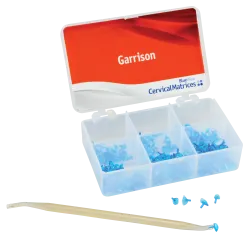
Class V lesions are a common finding in adult patients typically due to abrasion, erosion, or caries. In the absence of caries, abfraction lesions can occur due to tooth flexure, acid erosion, or aggressive brushing. Non-carious Class V lesions can be repaired efficiently and effectively without the need for local anesthesia or tooth preparation utilizing the Garrison BlueView™ Cervical Matrices system and a resin modified glass ionomer cement (RMGI). According to the American Dental Association’s evidence-based clinical practice guideline on restorative treatments for caries lesions, patients receiving RMGI Class V restorations were less likely to experience restoration loss or marginal adaption issues “by an important amount” compared to patients treated with hybrid resin composite.
Background
Procedure
In the following case study, non-carious Class V lesions were restored with RMGI (Fuji II LC, GC America) using the Garrison BlueView™ Cervical Matrices system.
|
|
|
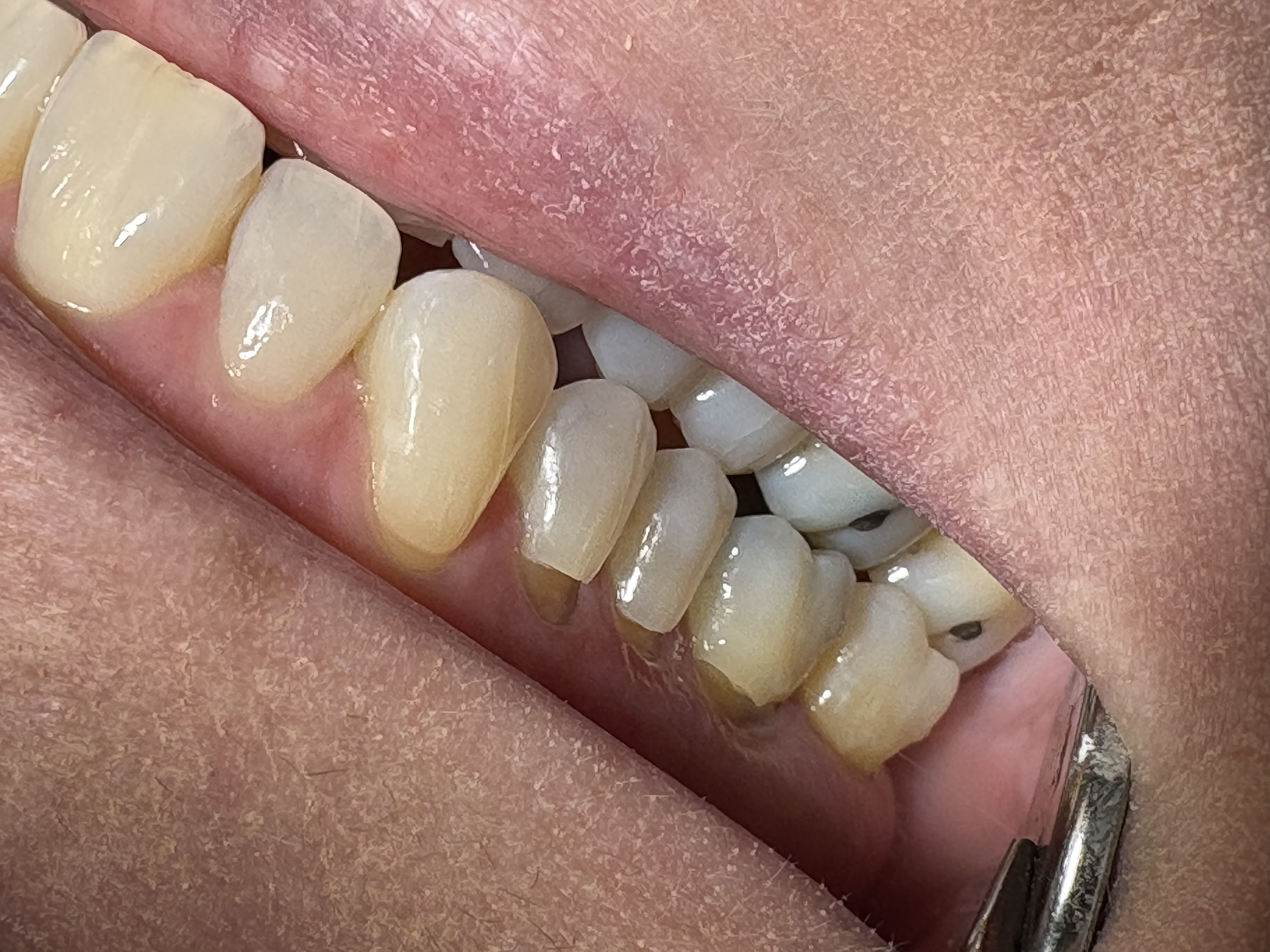
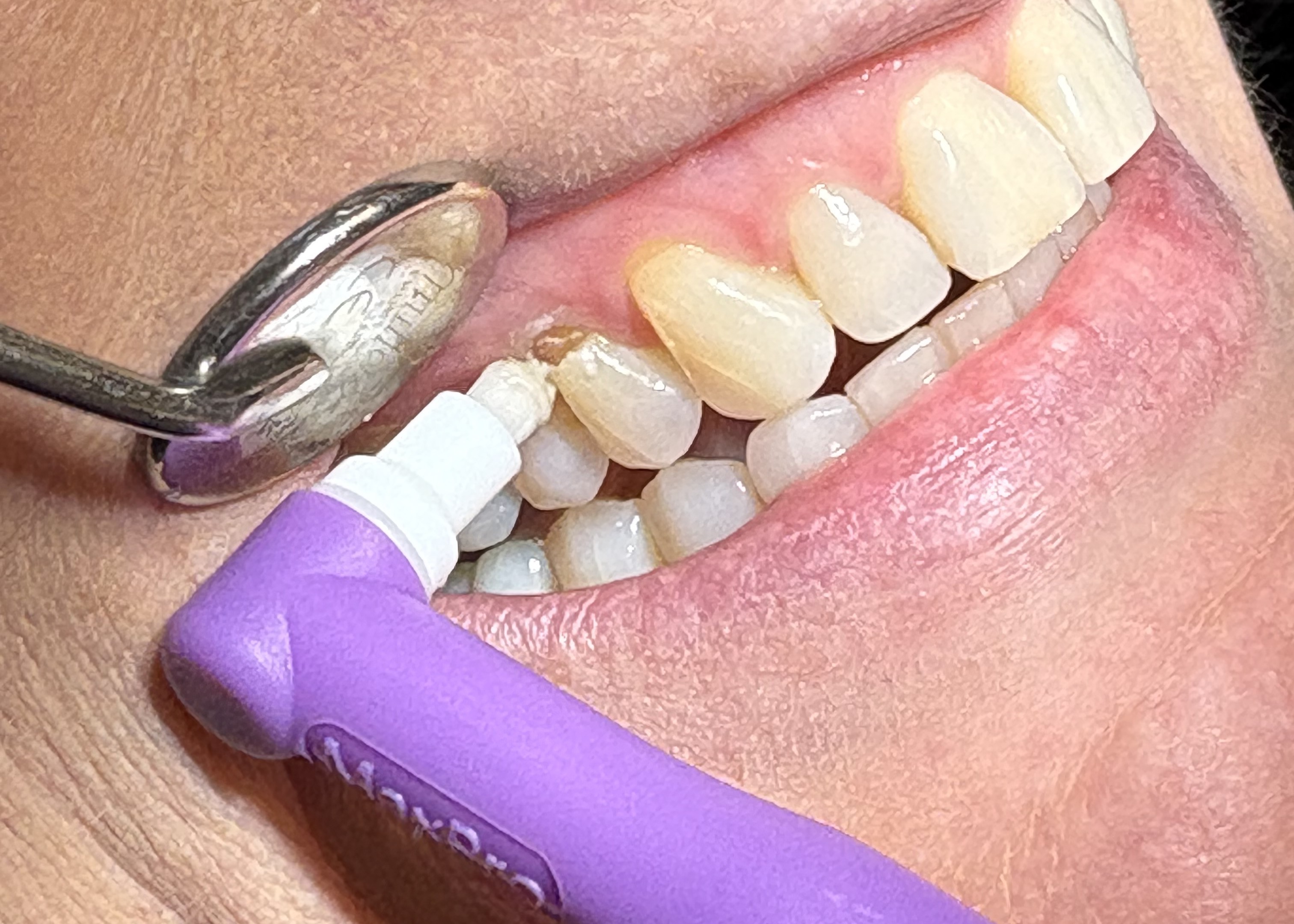
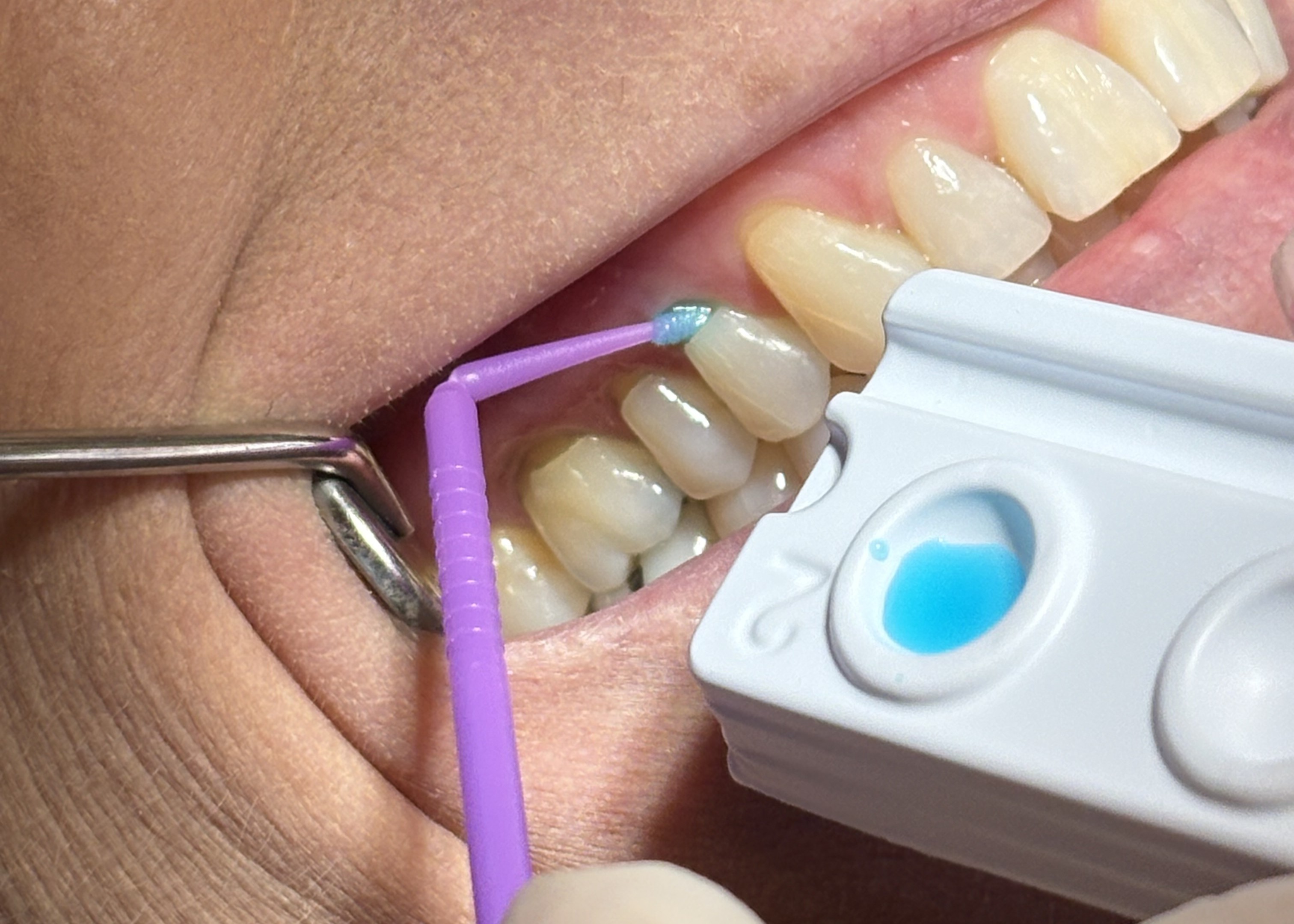
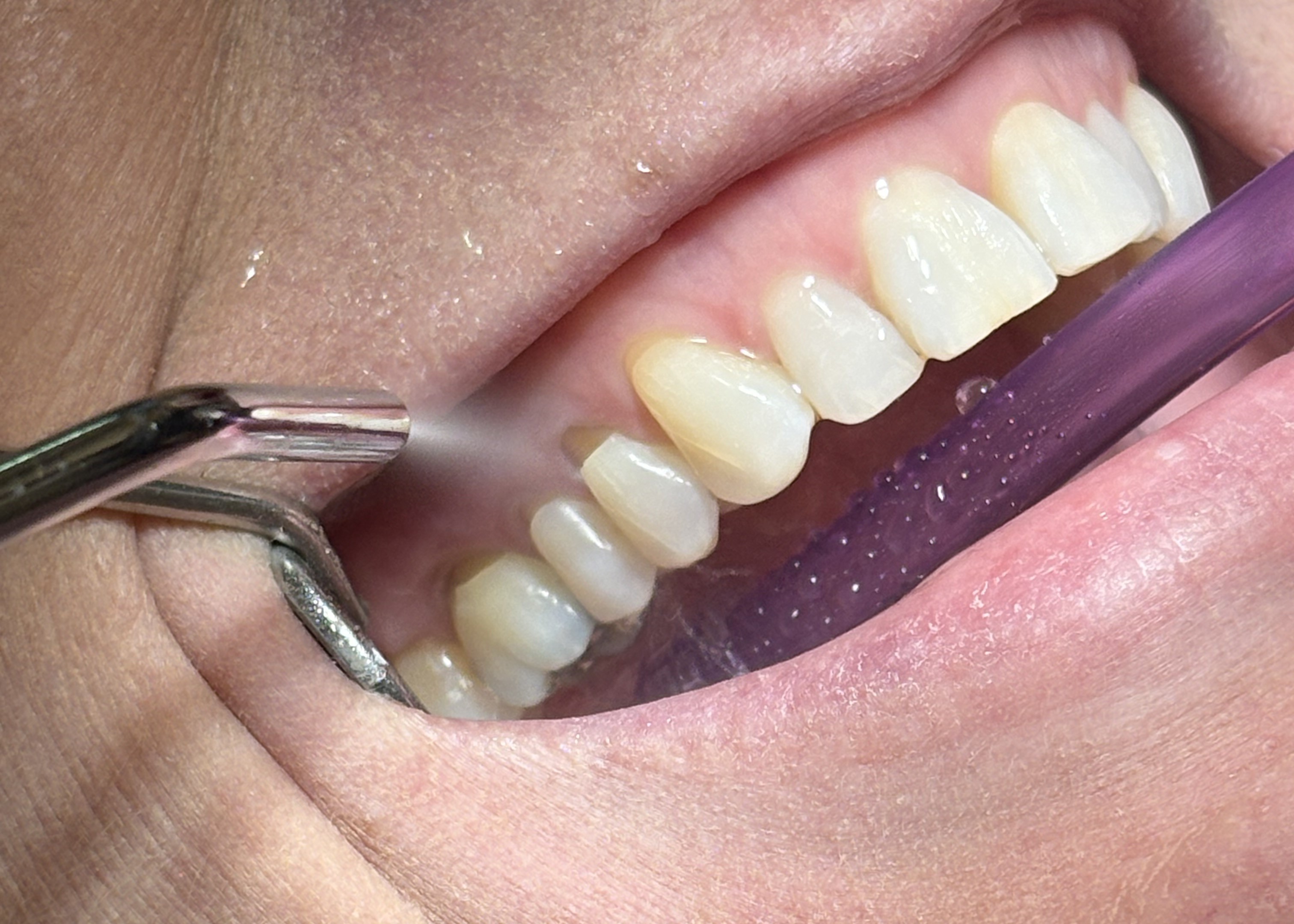
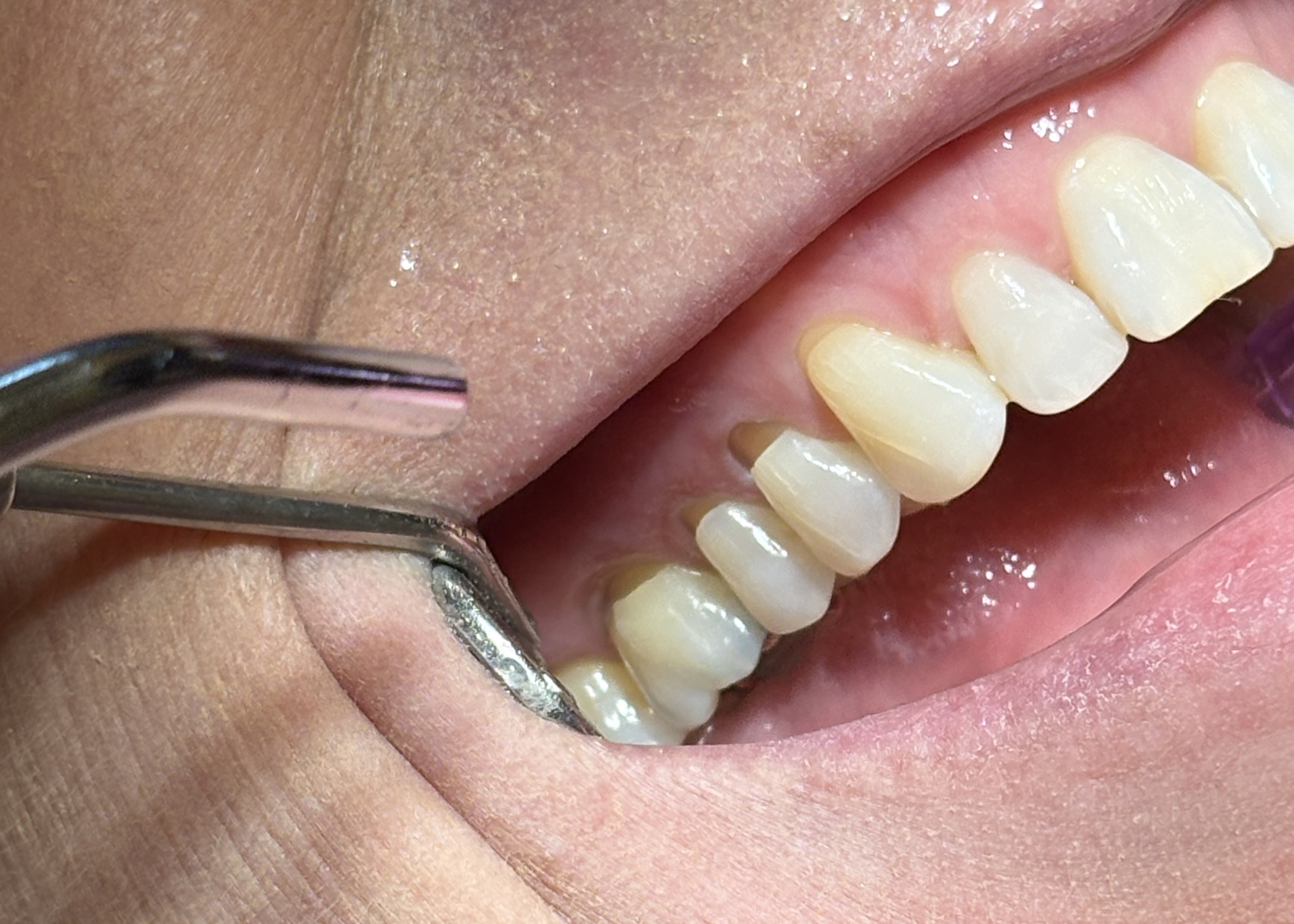
| Figure 1: Patient presents with non-carious Class V lesions. | Figure 2: Clean with plain pumice. | Figure 3: Apply 20% polyacrylic acid (Cavity Conditioner, GC America) to improve chelation and enhance the chemical bond. |
|
|
|
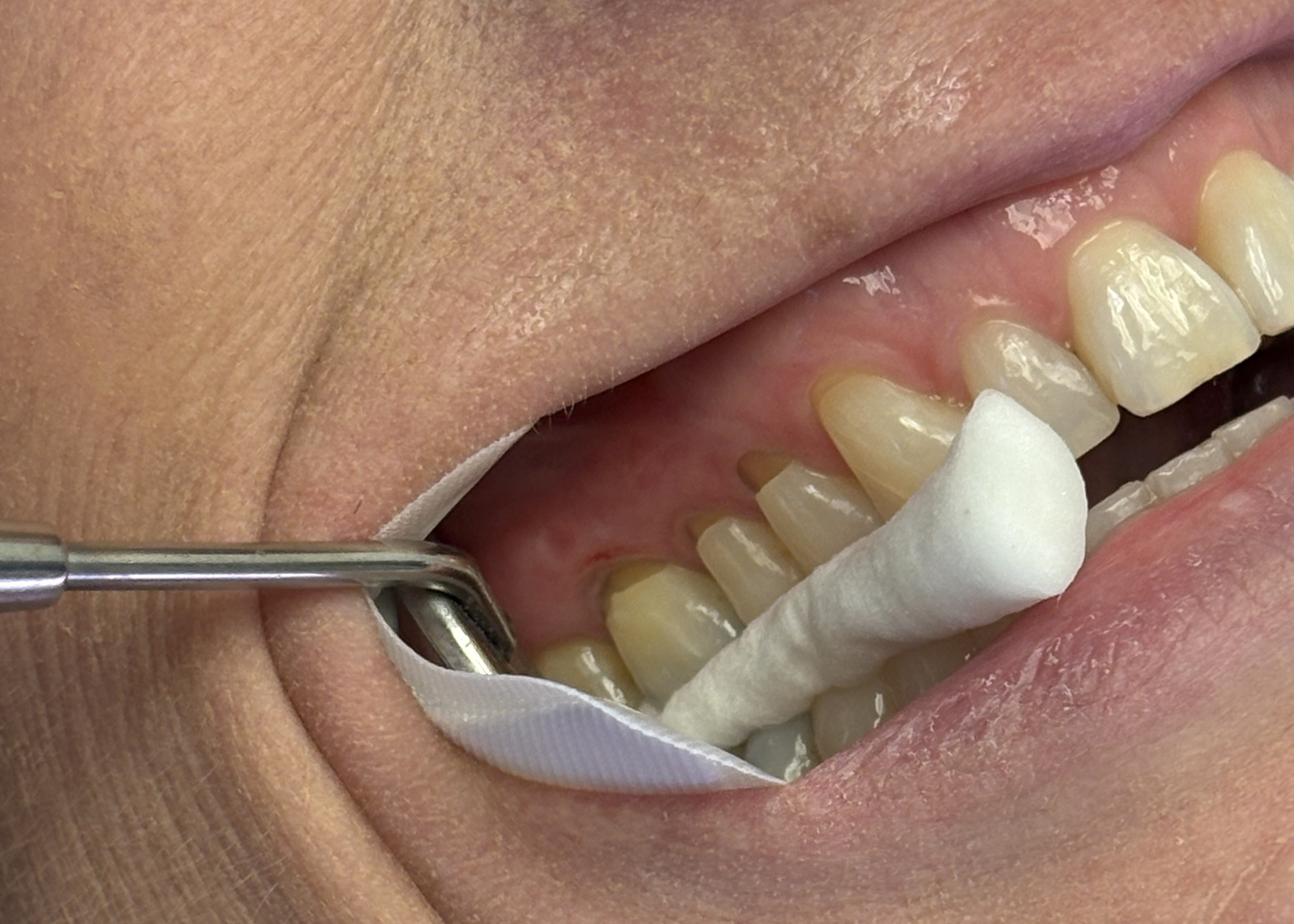
| Figure 4a and 4b: Rinse and gently dry, do not desiccate. | Figure 5: Isolate the teeth. | |
|
|
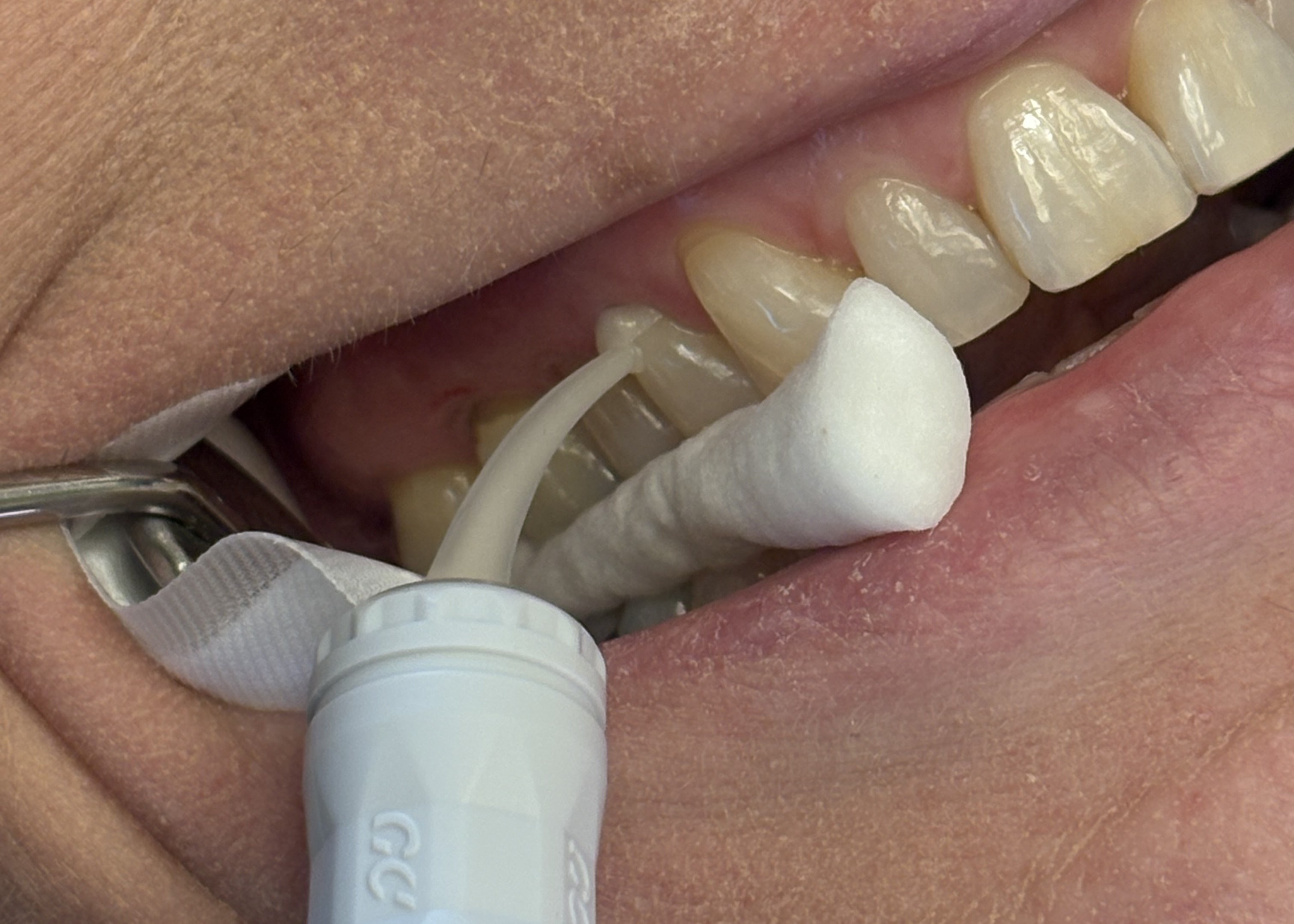
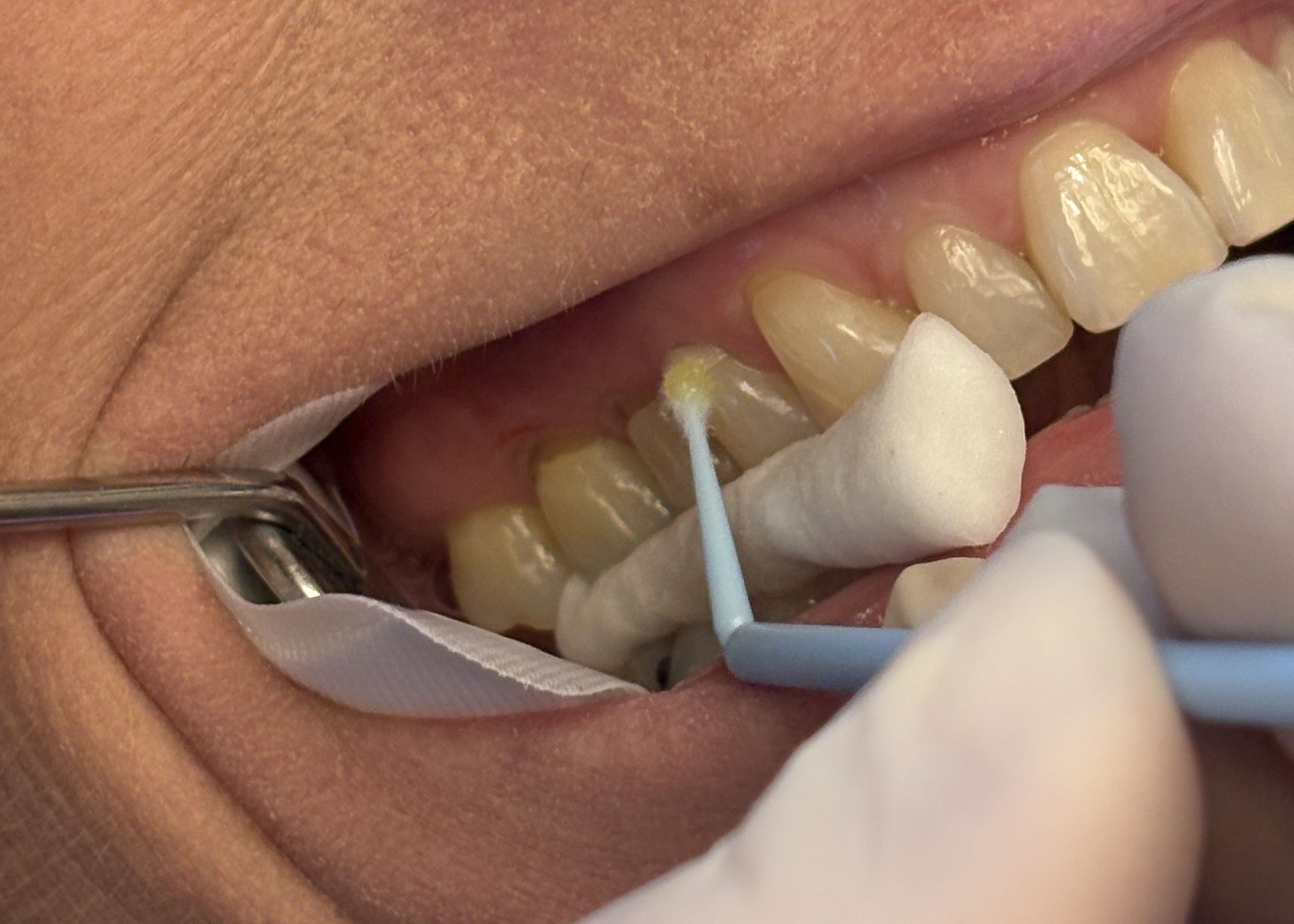
| Figure 6: Activate and mix the RMGI capsule according to the manufacturer’s instructions. Apply the RMGI directly to the tooth. | Figure 7: (Optional) Adapt RMGI to the tooth with a microbrush dipped in unfilled resin (Fuji Coat, GC America). |
|
|
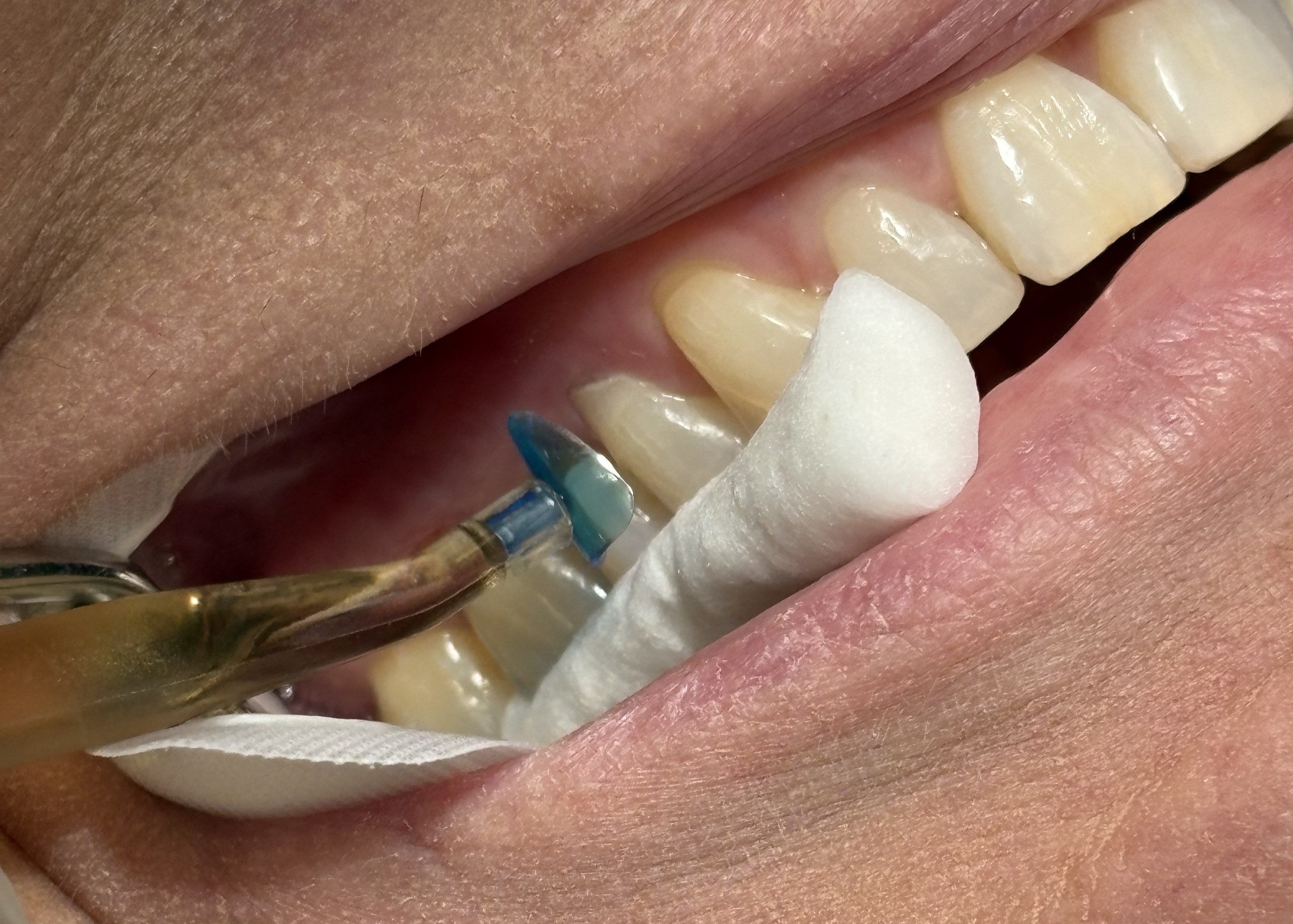
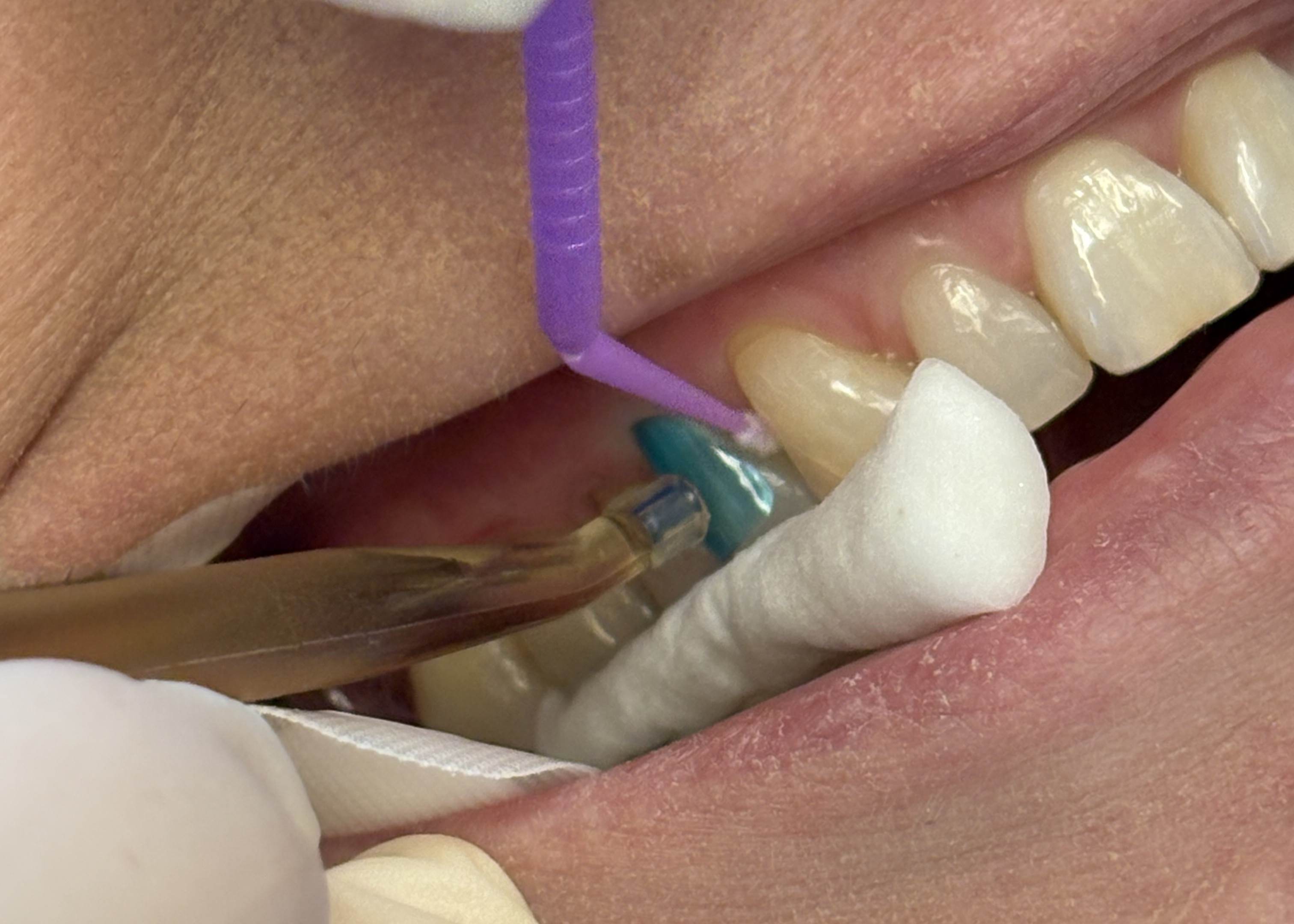
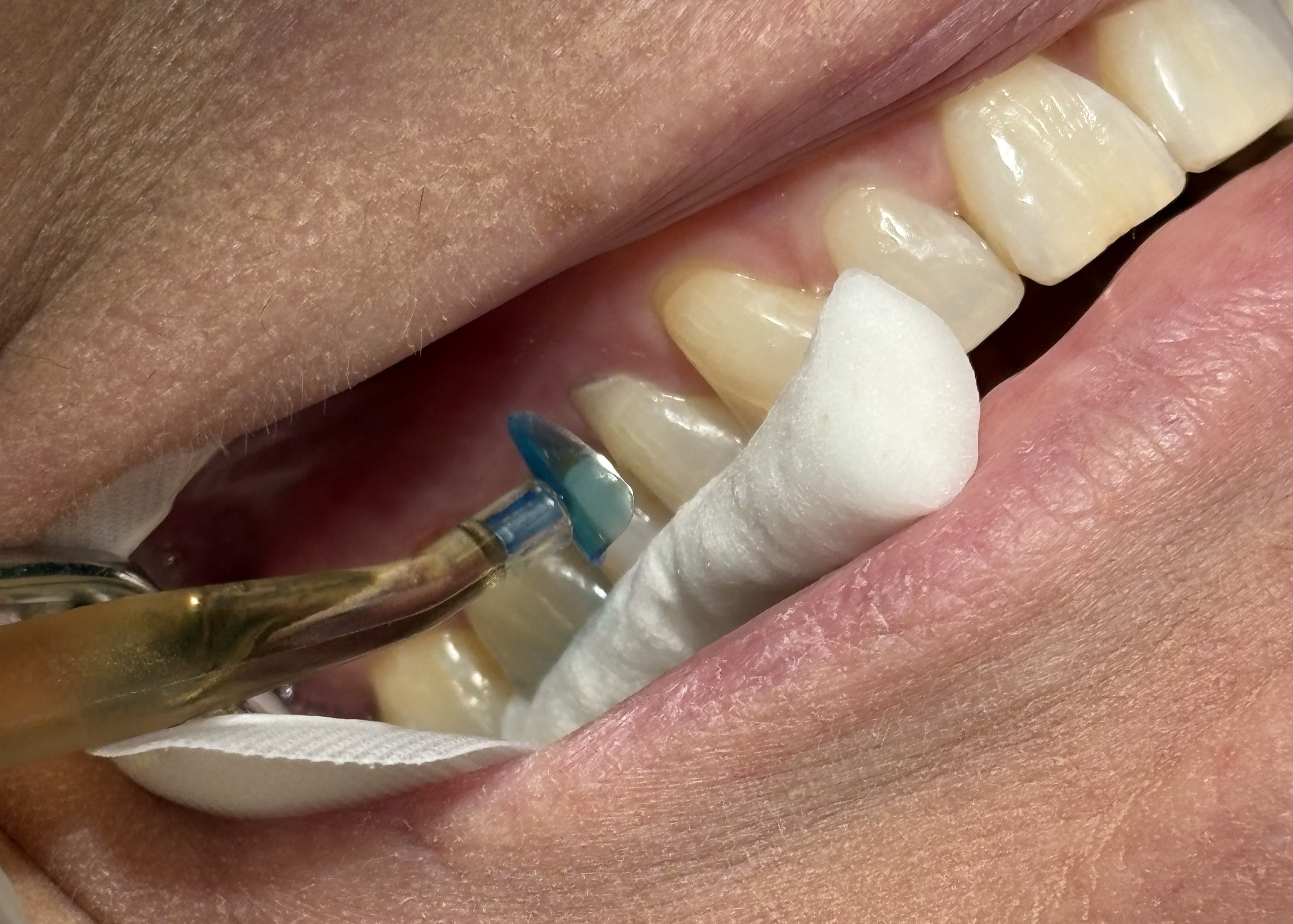
| Figure 8a and 8b: Press BlueViewTM cervical matrix against the tooth, instantly creating the perfect shape and contour of the restoration. If needed, remove excess RMGI with a microbrush or instrument. | |
|
|
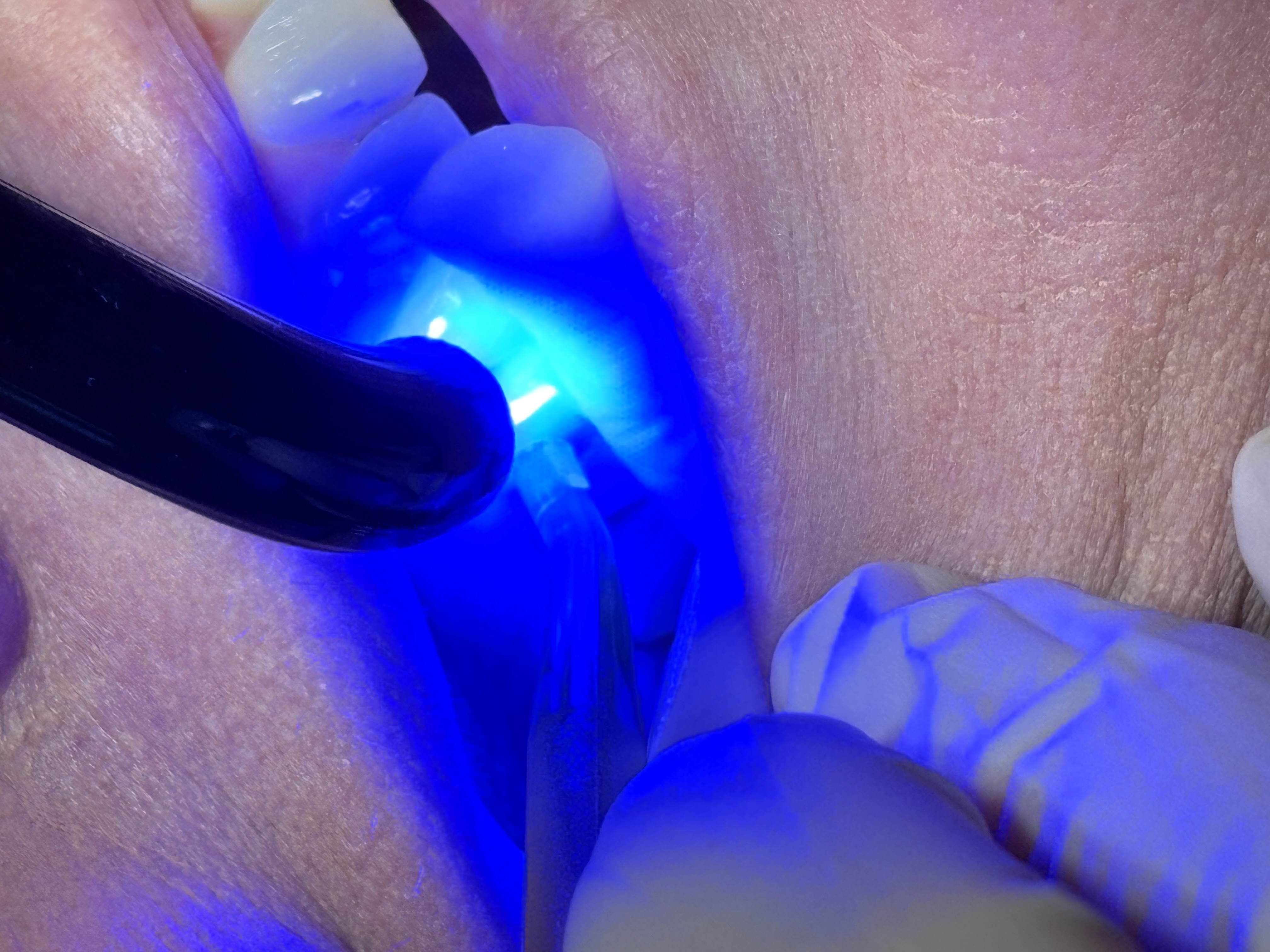
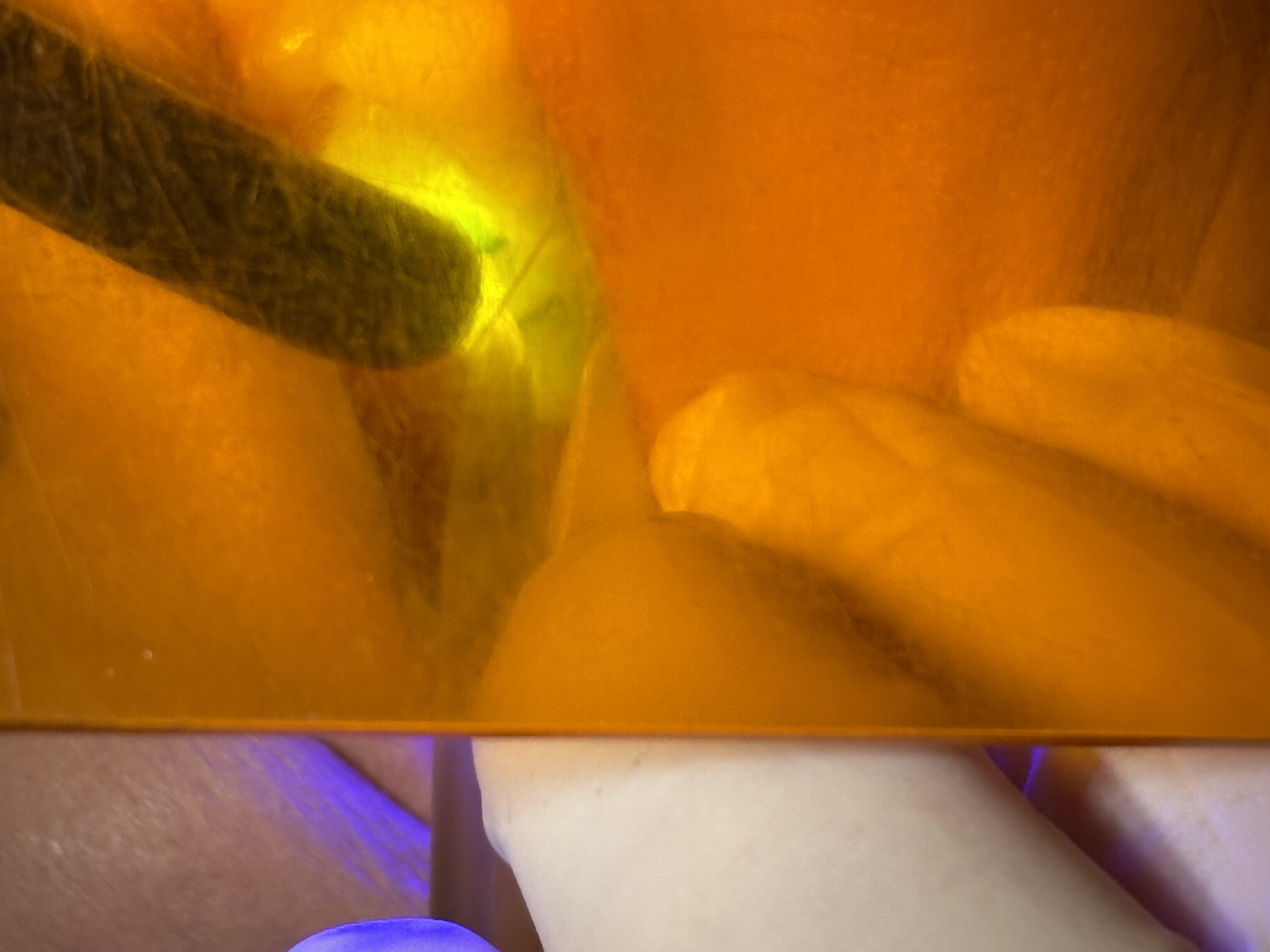
| Figure 9a and 9b: Light cure the RMGI for 20 seconds. | |
|
|
|
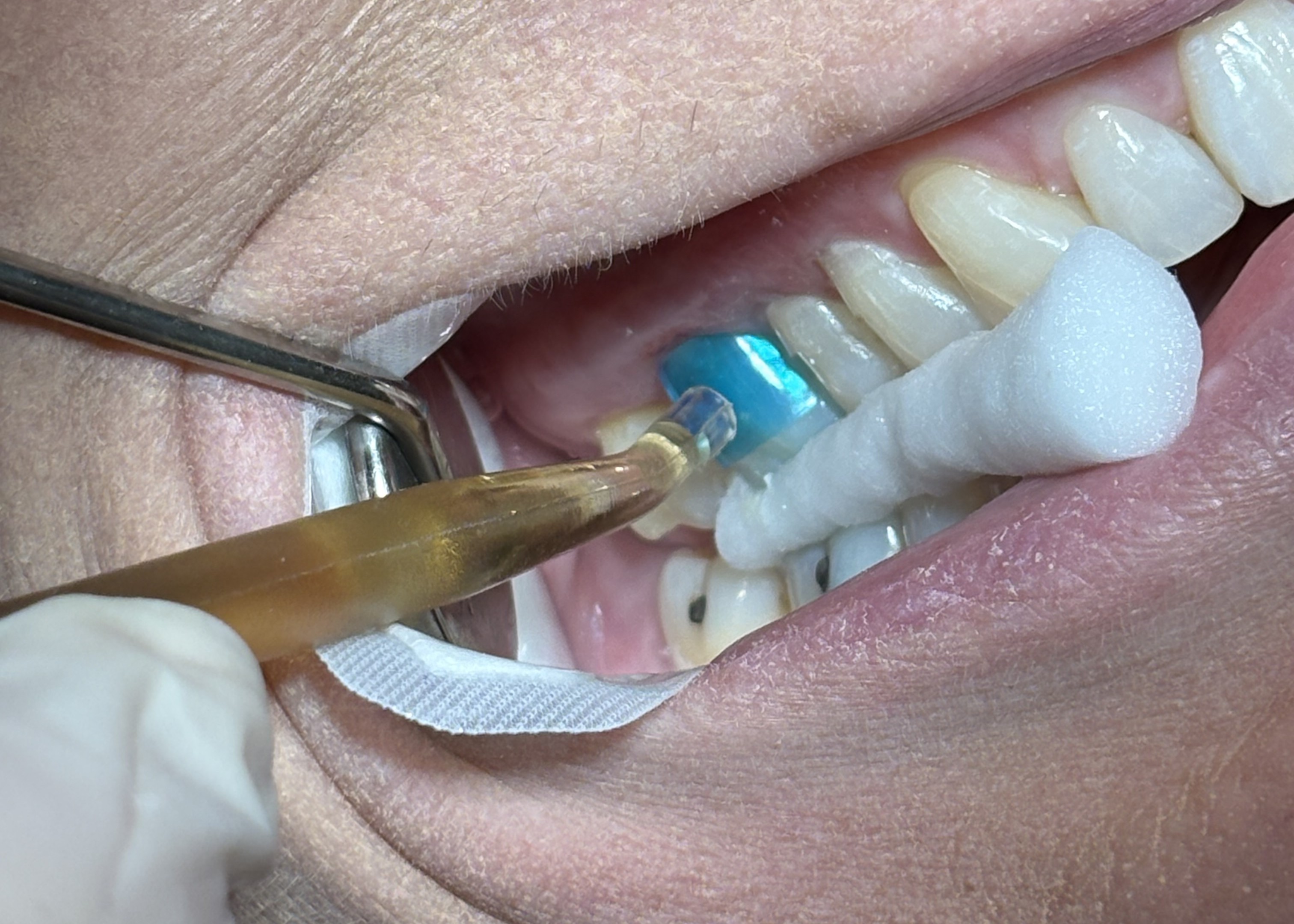
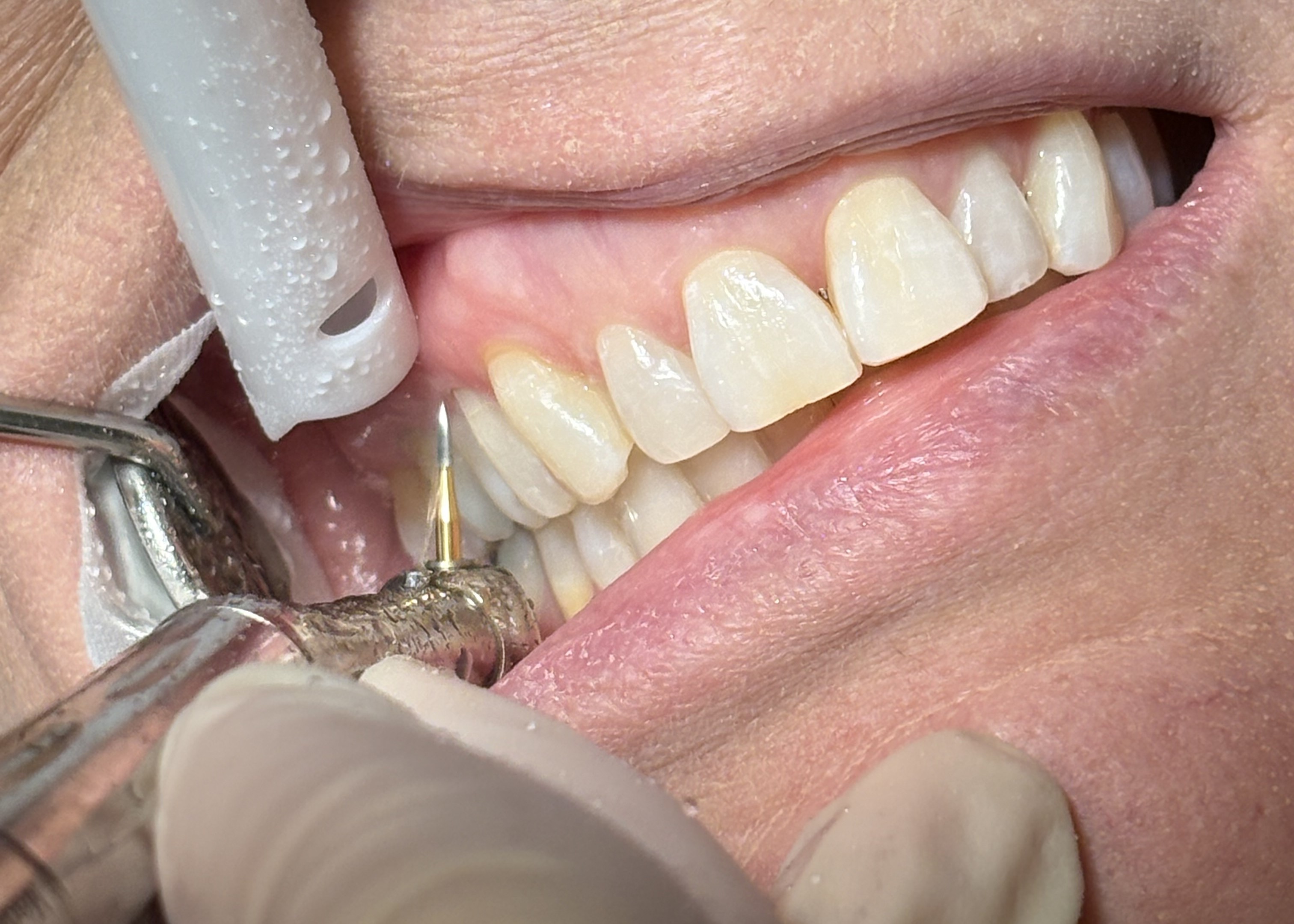
| Figure 10: Remove the BlueView™ cervical matrix to reveal the restoration. | Figure 11: Repeat steps for remaining lesions. Utilize the various sizes and shapes of the BlueView™ cervical matrices to best fit the contour of each tooth. | Figure 12: If needed, remove flash and polish restorations with a gold flame composite finishing bur. |
|
|
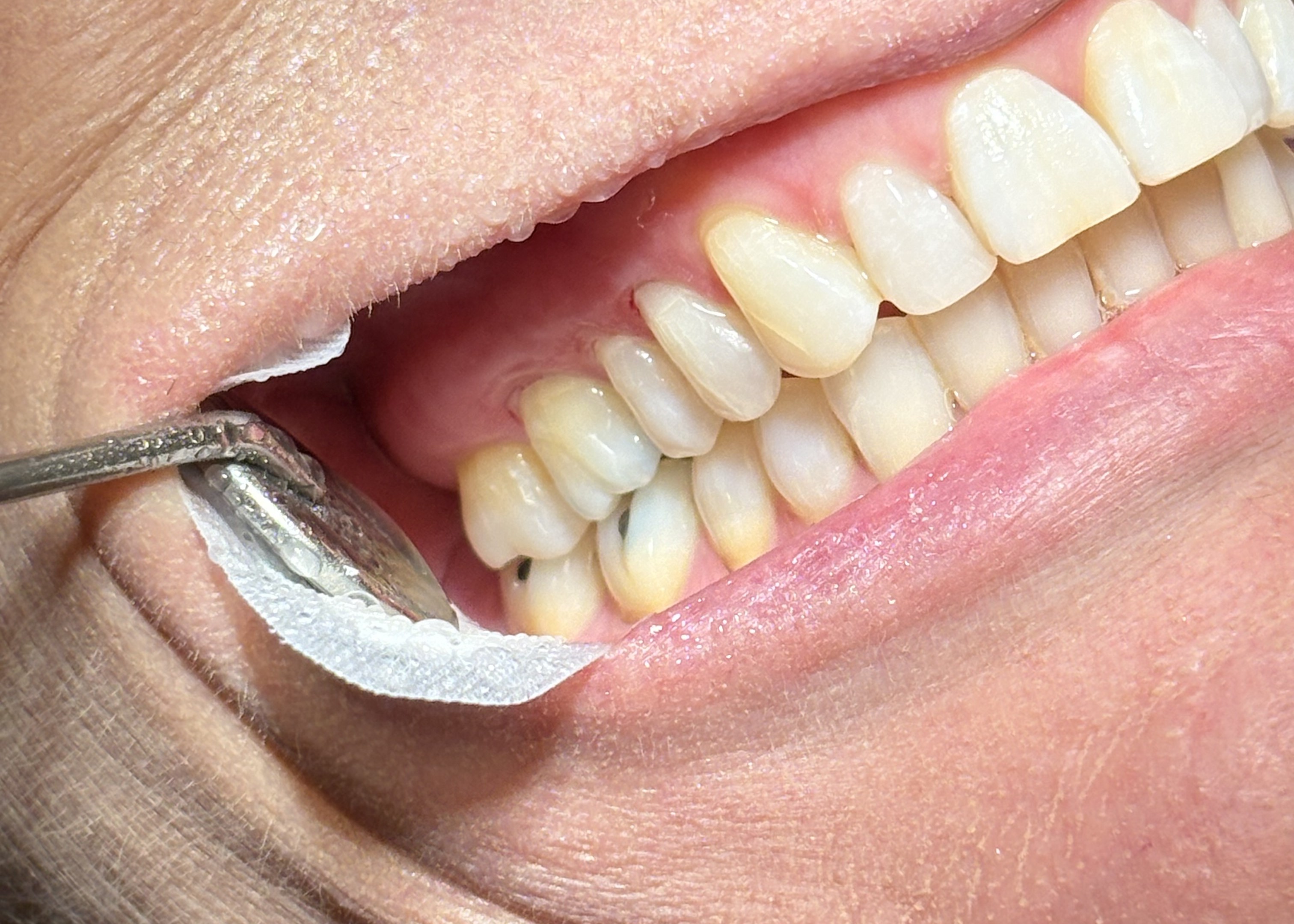
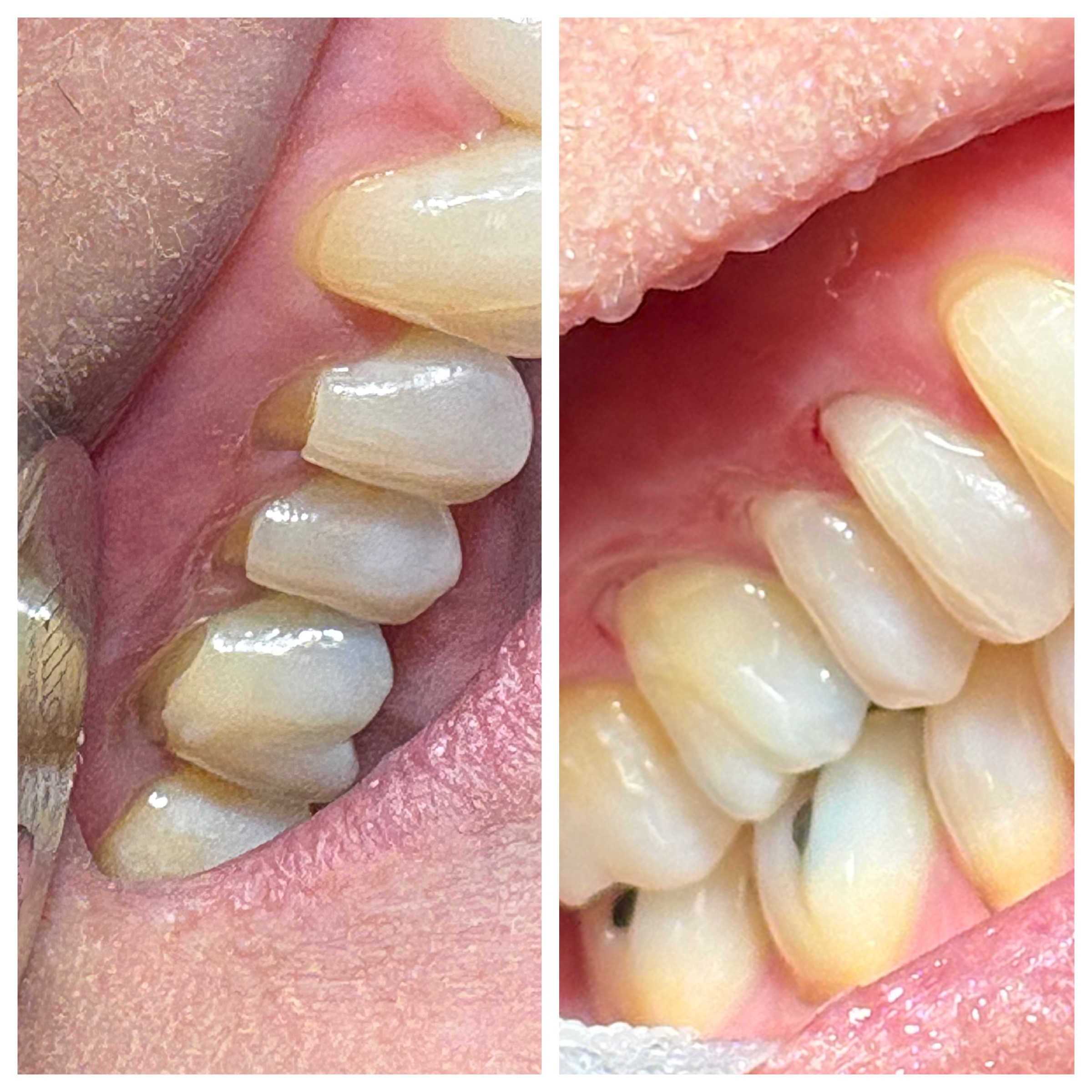
| Figure 13: Three restorations completed in minutes without the need for local anesthetic or tooth preparation. Patient reports no post-operative sensitivity or discomfort. | Figure 14: Before and After. |
Conclusion
This case demonstrates that non-carious Class V lesions can be restored in a conservative, efficient, and highly predictable way without the need for local anesthesia or tooth preparation. I chose the Garrison BlueView™ Cervical Matrices because they are specifically designed for these restorations, making it much easier to achieve proper contour, adaptation, and a smooth final result than with a more traditional approach. In my hands, they simplify a procedure that can otherwise be technique-sensitive and time-consuming.
My takeaway for other dentists is that success in cervical restorations is not just about material selection, but also about using armamentarium that is designed for the clinical situation. When paired with RMGI, the Garrison BlueView™ Cervical Matrices help streamline placement, reduce finishing, and support excellent esthetic and functional outcomes. For patients, that means a more comfortable and minimally invasive experience. For clinicians, it means a restoration that is efficient and predictably successful.
Reference
1) Dhar V, Pilcher L, Fontana M, González-Cabezas C, Keels MA, Mascarenhas AK, Nascimento M, Platt JA, Sabino GJ, Slayton R, Tinanoff N, Young DA, Zero DT, Pahlke S, Urquhart O, O’Brien KK, Carrasco-Labra A. Evidence-based clinical practice guideline on restorative treatments for caries lesions: A report from the American Dental Association. J Am
Dent Assoc. 2023 Jul;154(7):551-566.e51. doi: 10.1016/j.adaj.2023.04.011. PMID: 37380250.