
The Most Comprehensive Matrix Wedge Solutions for Restorative Dentistry
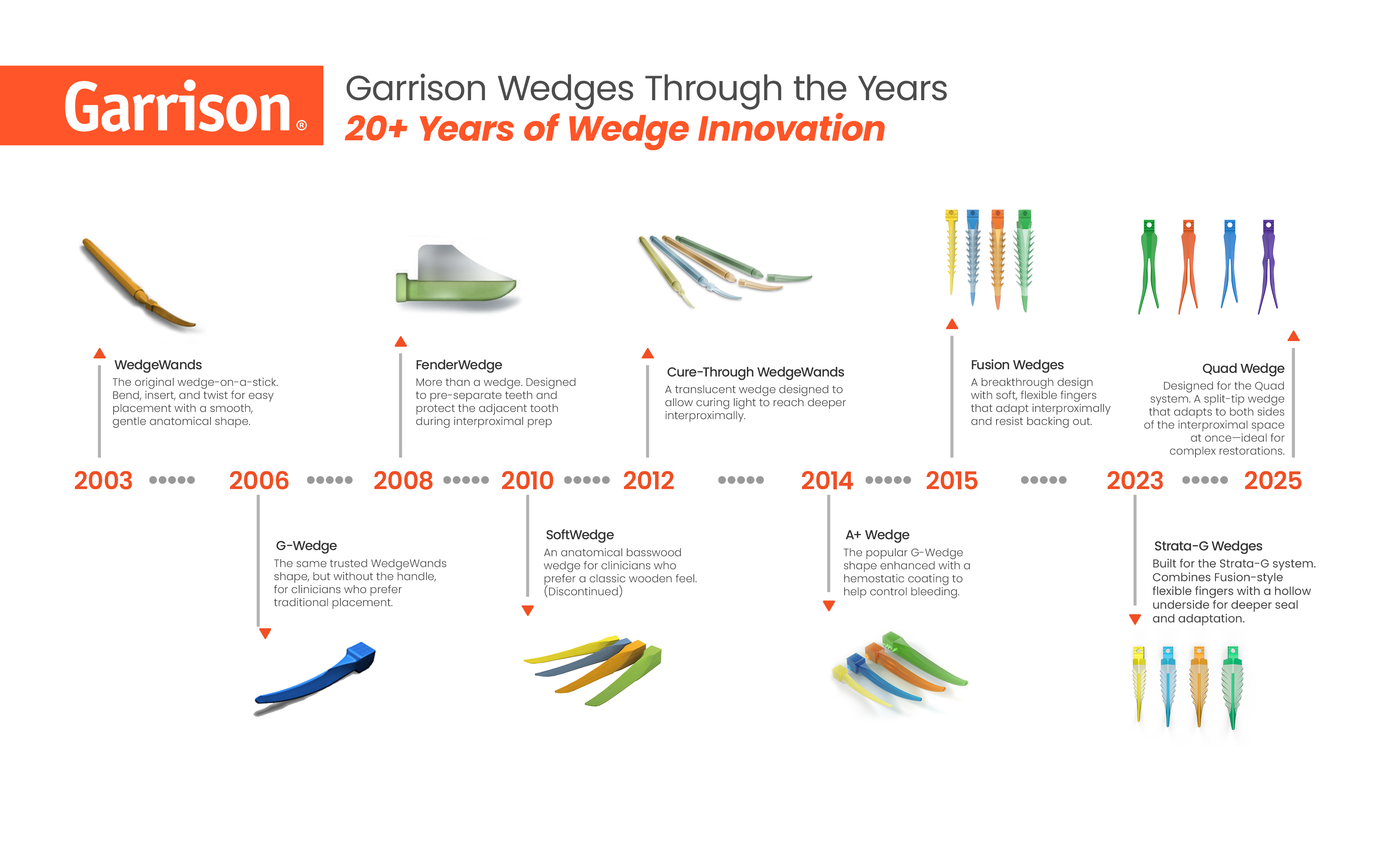
Interproximal wedges do three critical jobs during restorative procedures: (1) create separation to help achieve tight contacts, (2) adapt the matrix at the gingival margin to minimize flash/overhangs, and (3) help manage soft tissue, especially in deep cervical areas. As restorative techniques evolved (light-cure composites, sectional matrix systems, deeper preparations, back‑to‑back Class II cases), Garrison matrix wedges also evolved into different “generations”. Each generation represents Garrison’s commitment to continuous improvement and helping you solve your unique clinical challenges.
With this huge variety, selecting the correct wedge is more of a challenge. No two teeth are the same, and optimal results depend on having the right wedge at the right time.
Matrix Wedge Comparison Table
Note: This chart shows the relevant details of the ‘Standard’ size wedge from each line.
| Product Line | SKU | Primary Clinical Benefit | Height (at tallest point) | Width (at widest point) | Length | Profile View | Cross Section View |
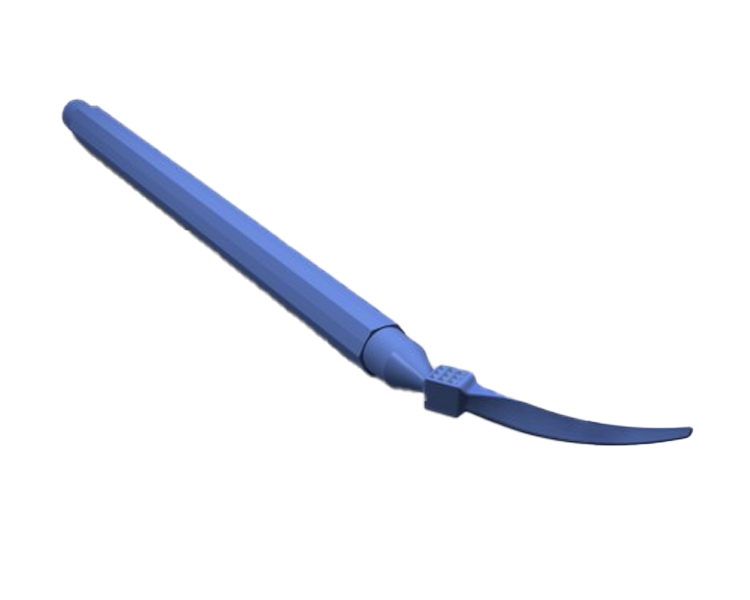
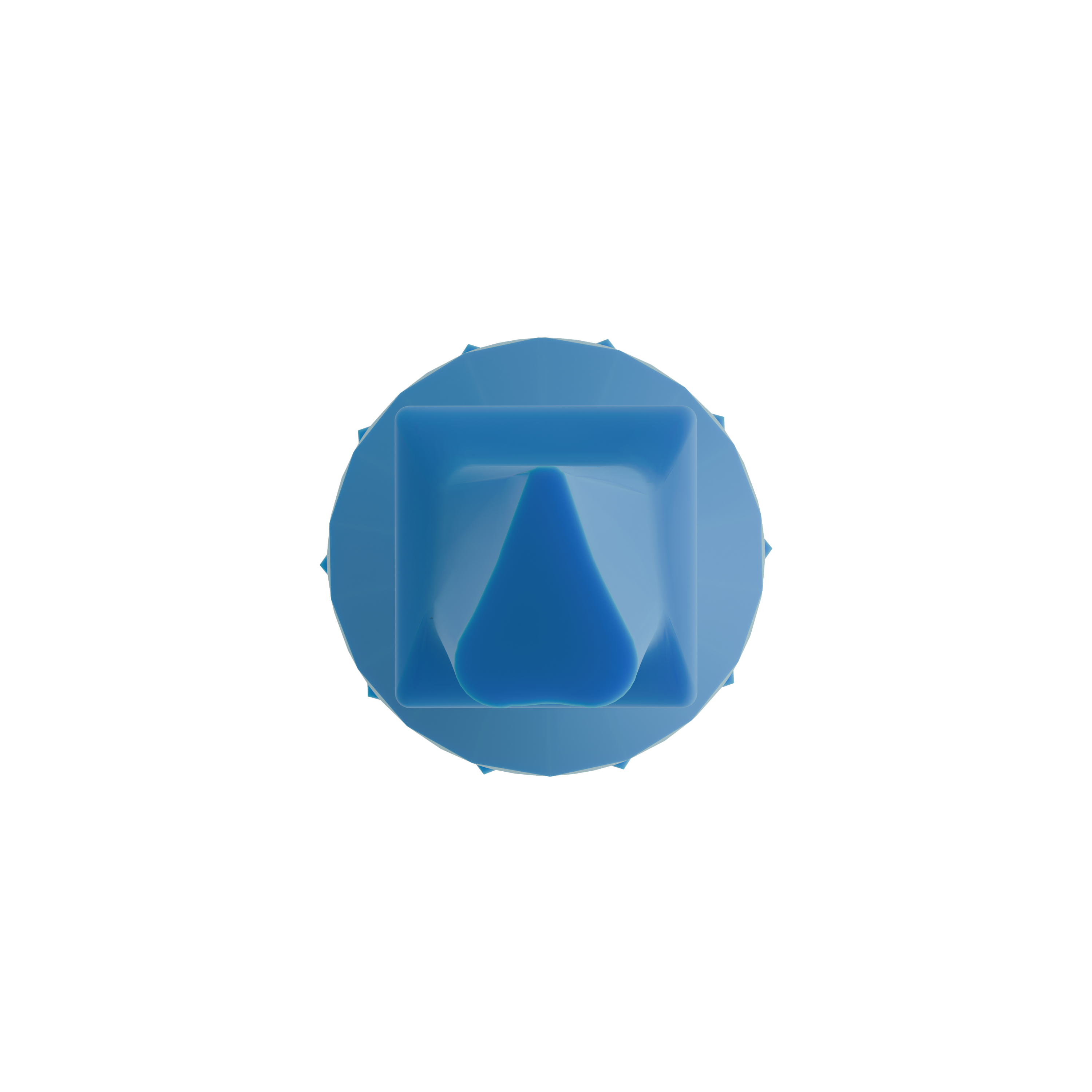
WedgeWands® | WBL | Integrated wand (no instrument required) | 2.54 mm | 2.54 mm | 16.76 mm |
|
|
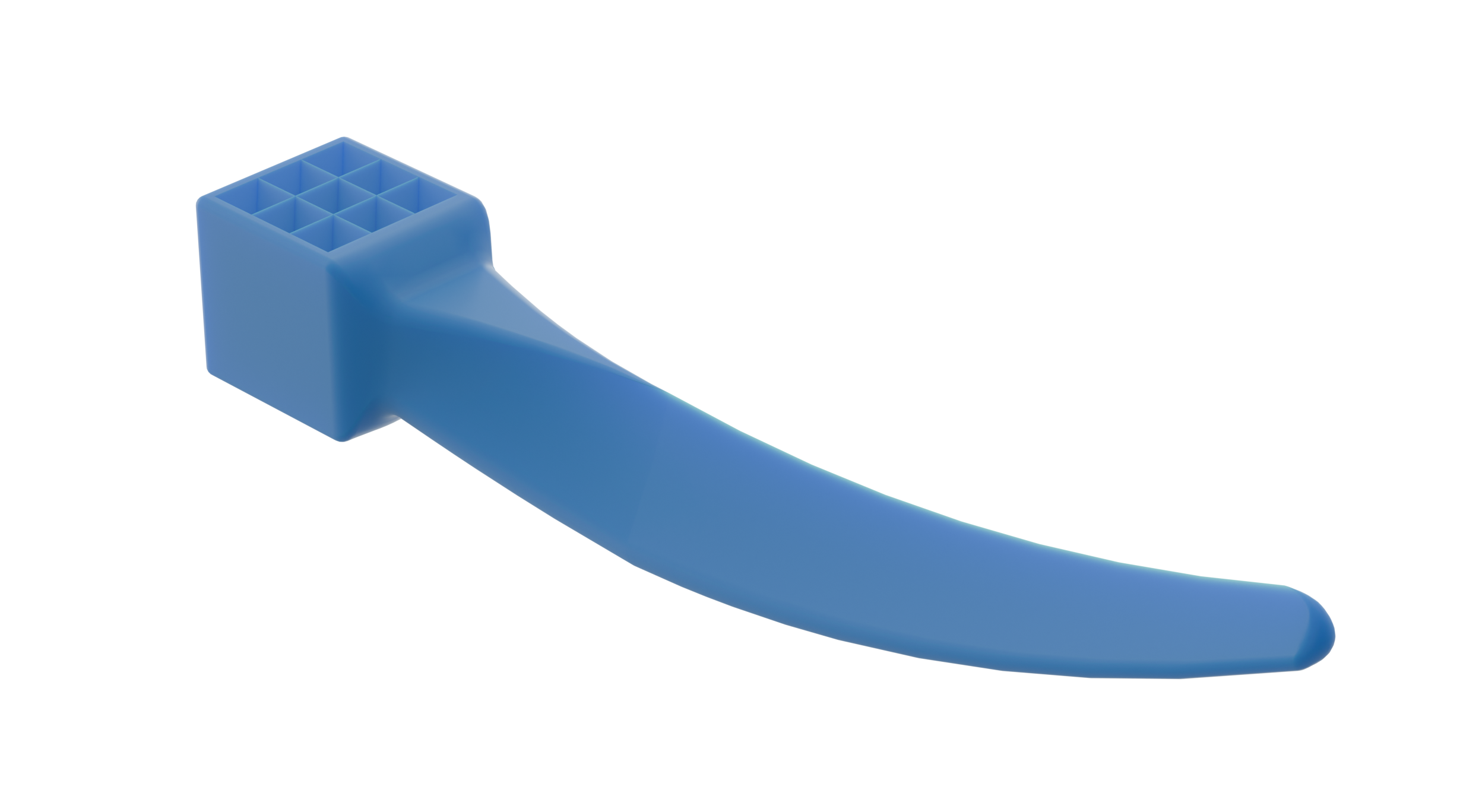
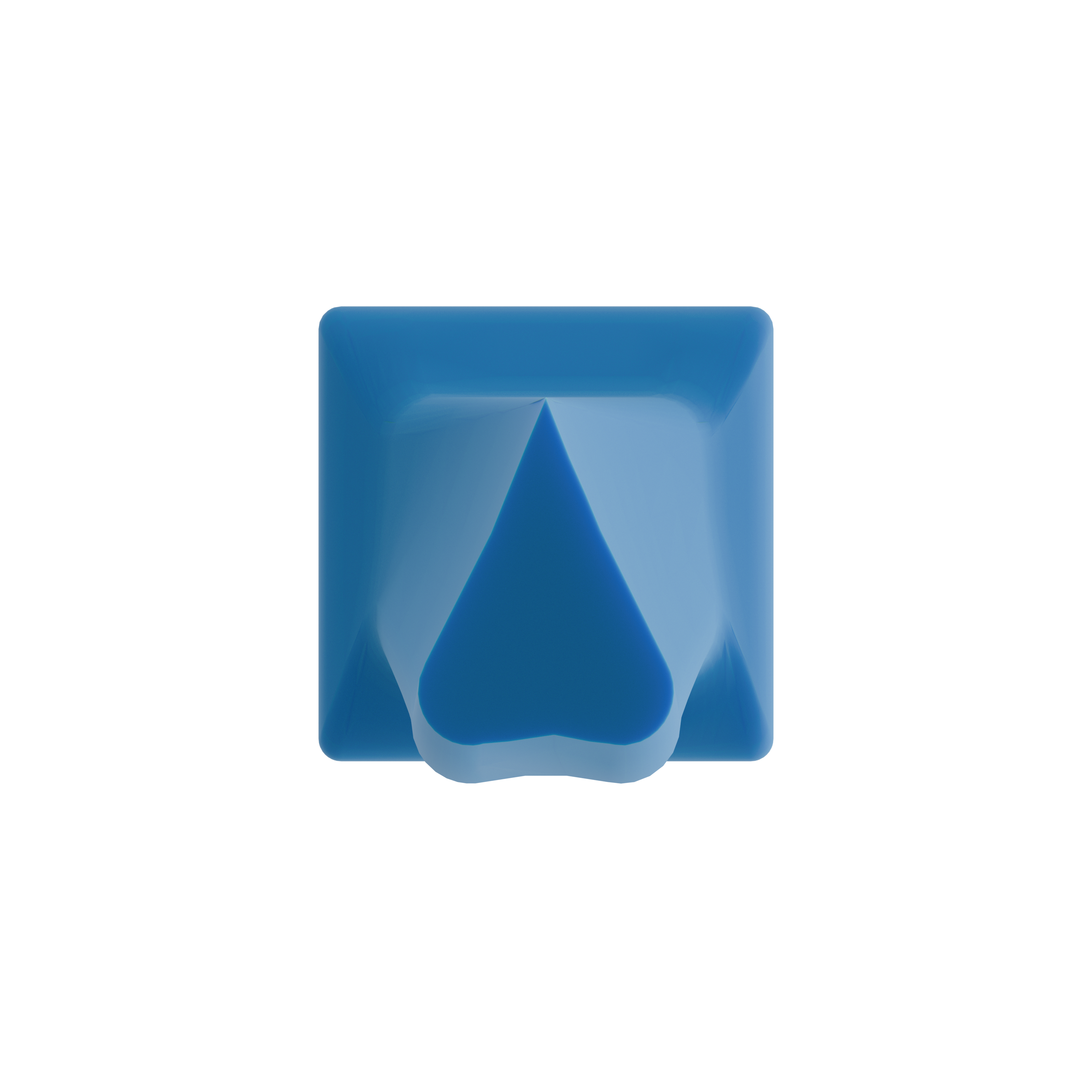
G‑Wedge™ | GWBL | Same anatomy as WedgeWands with instrument control for clinicians who prefer traditional placement | 2.54 mm | 2.54 mm | 16.76 mm |
|
|
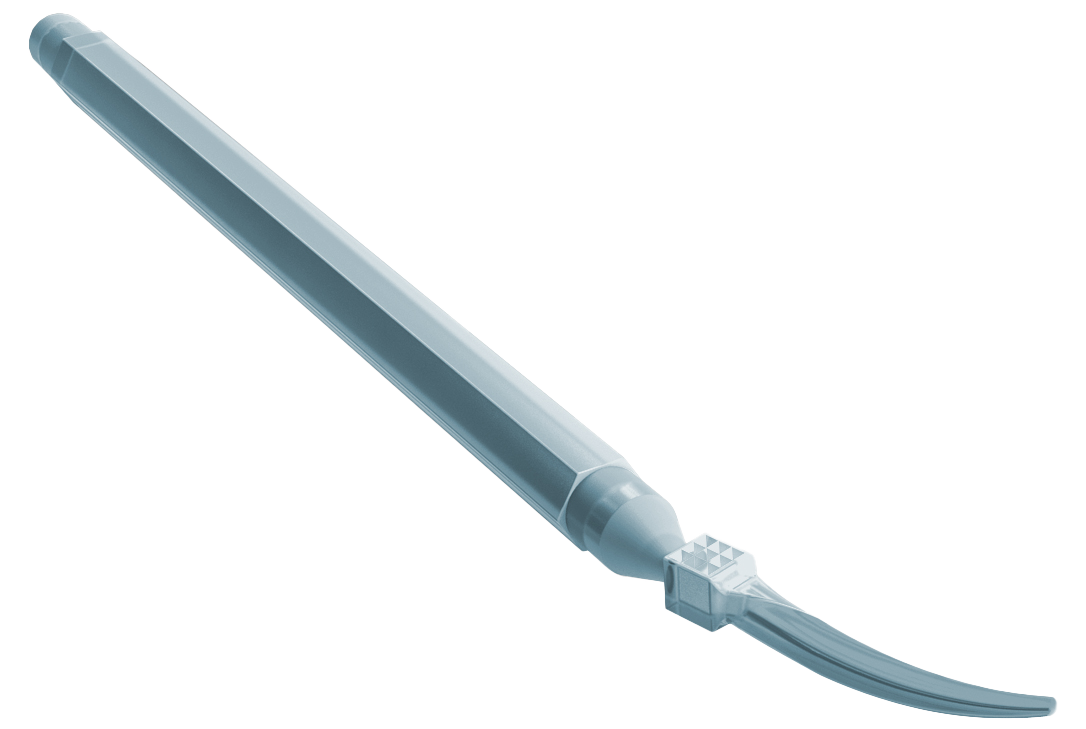
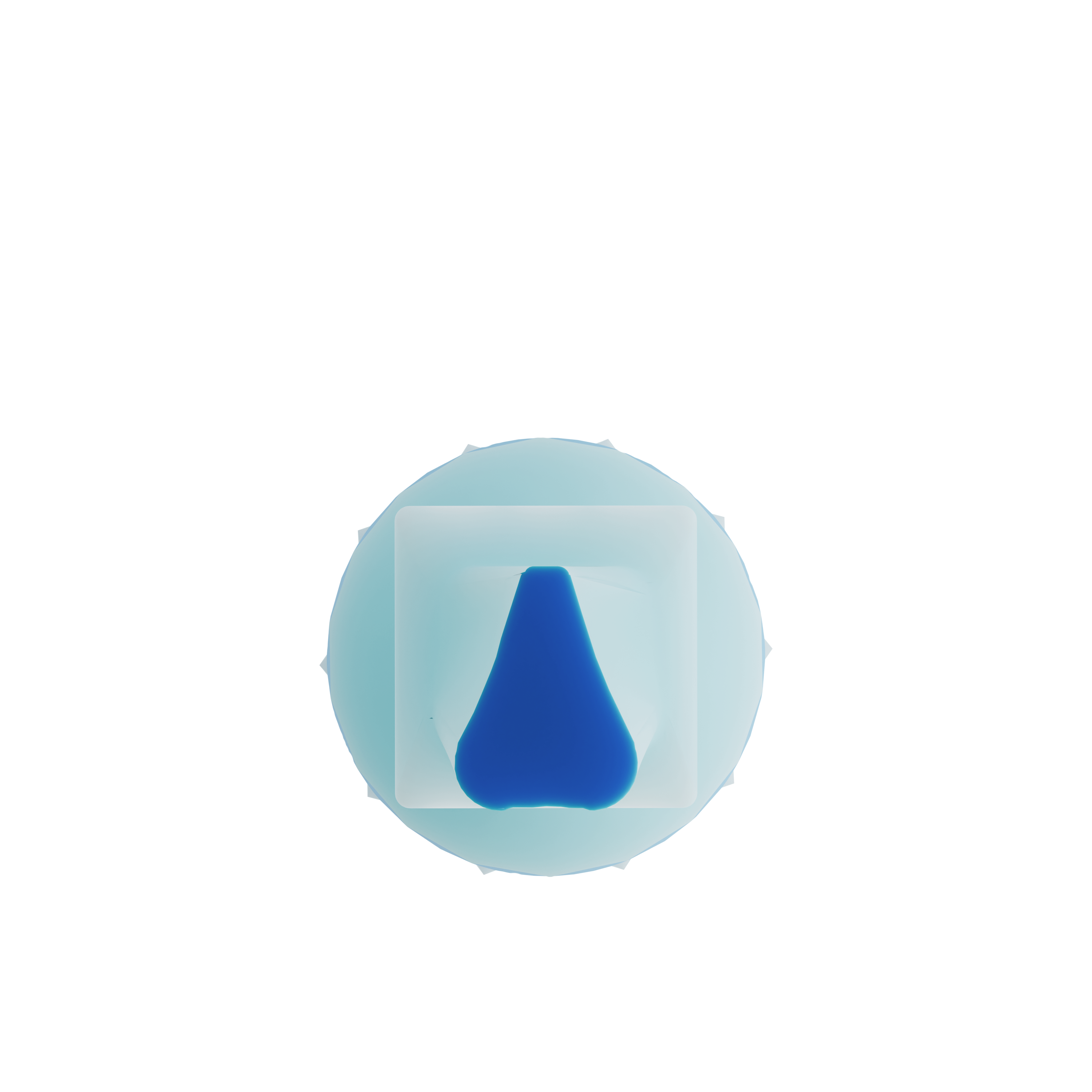
Cure‑Through WedgeWands® | WCBL | Allows curing light penetration to gingival floor | 2.54 mm | 2.54 mm | 16.76 mm |
|
|
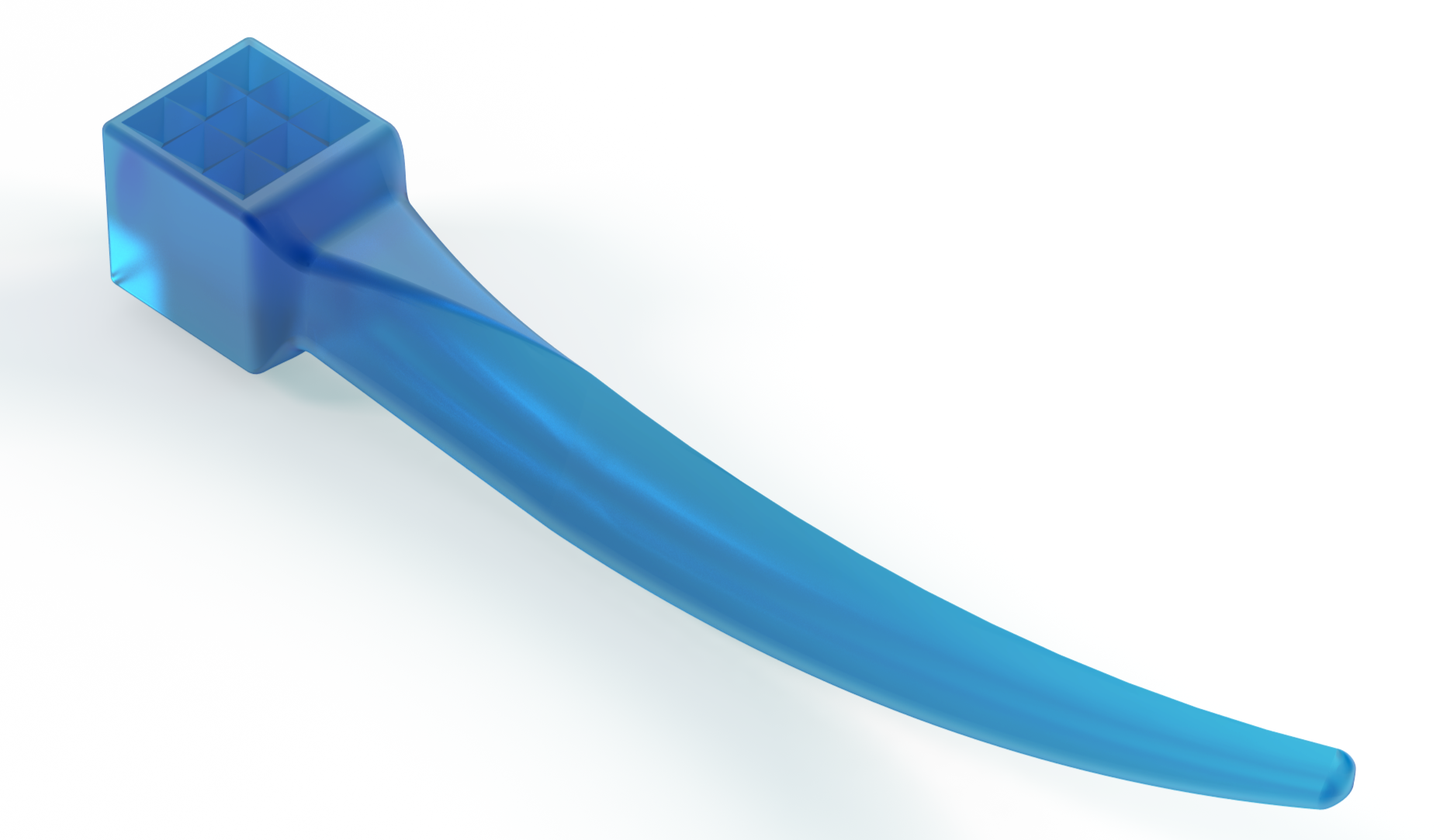
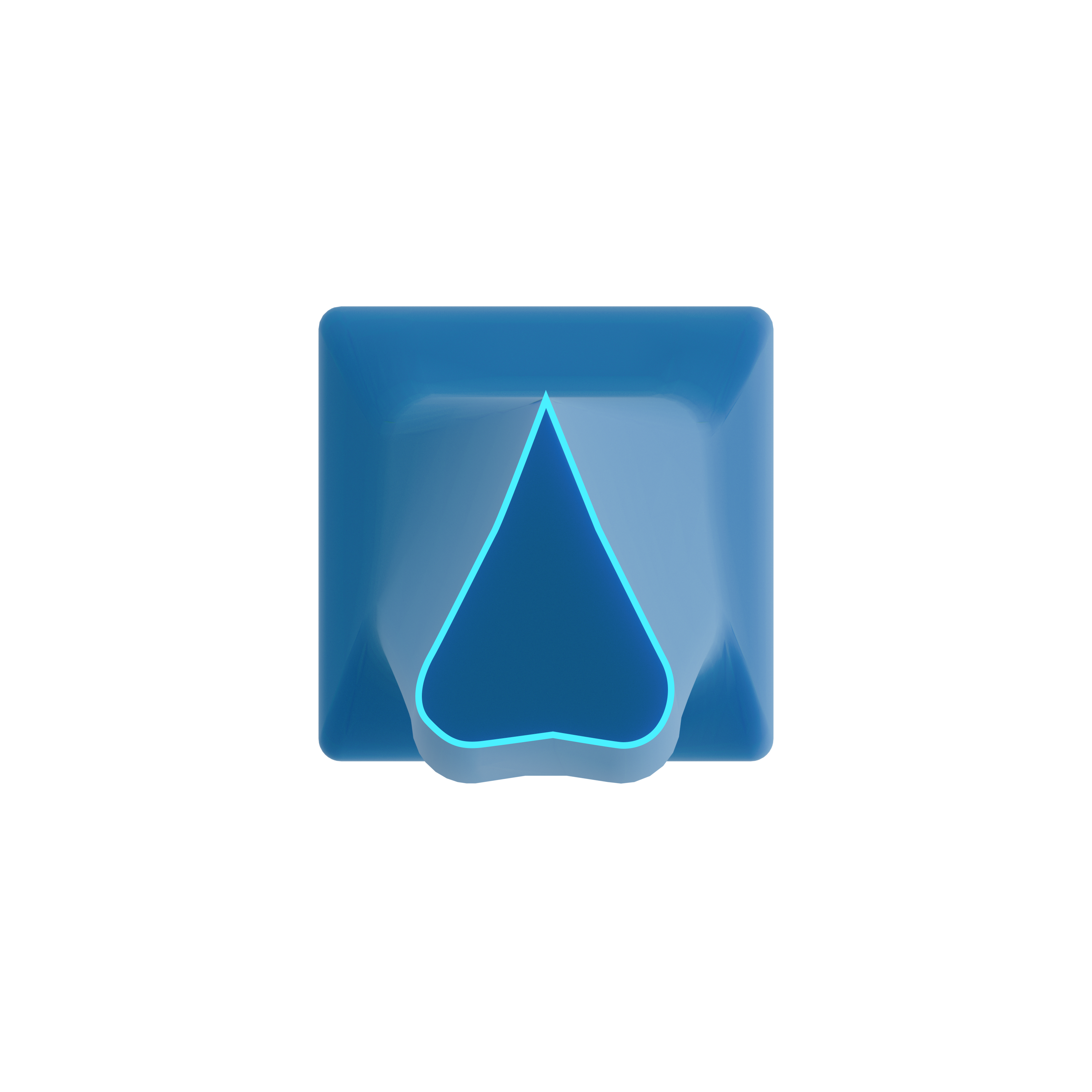
A+Wedge™ | GWABL | Aluminum Sulfate coating helps control bleeding | 2.54 mm | 2.54 mm | 16.76 mm |
|
|
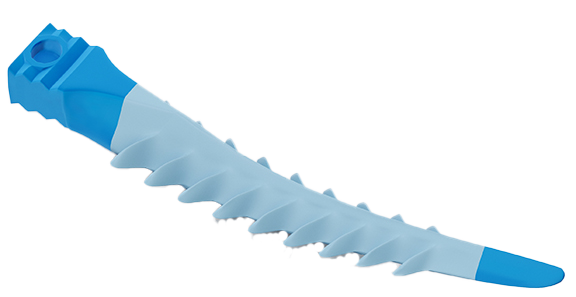
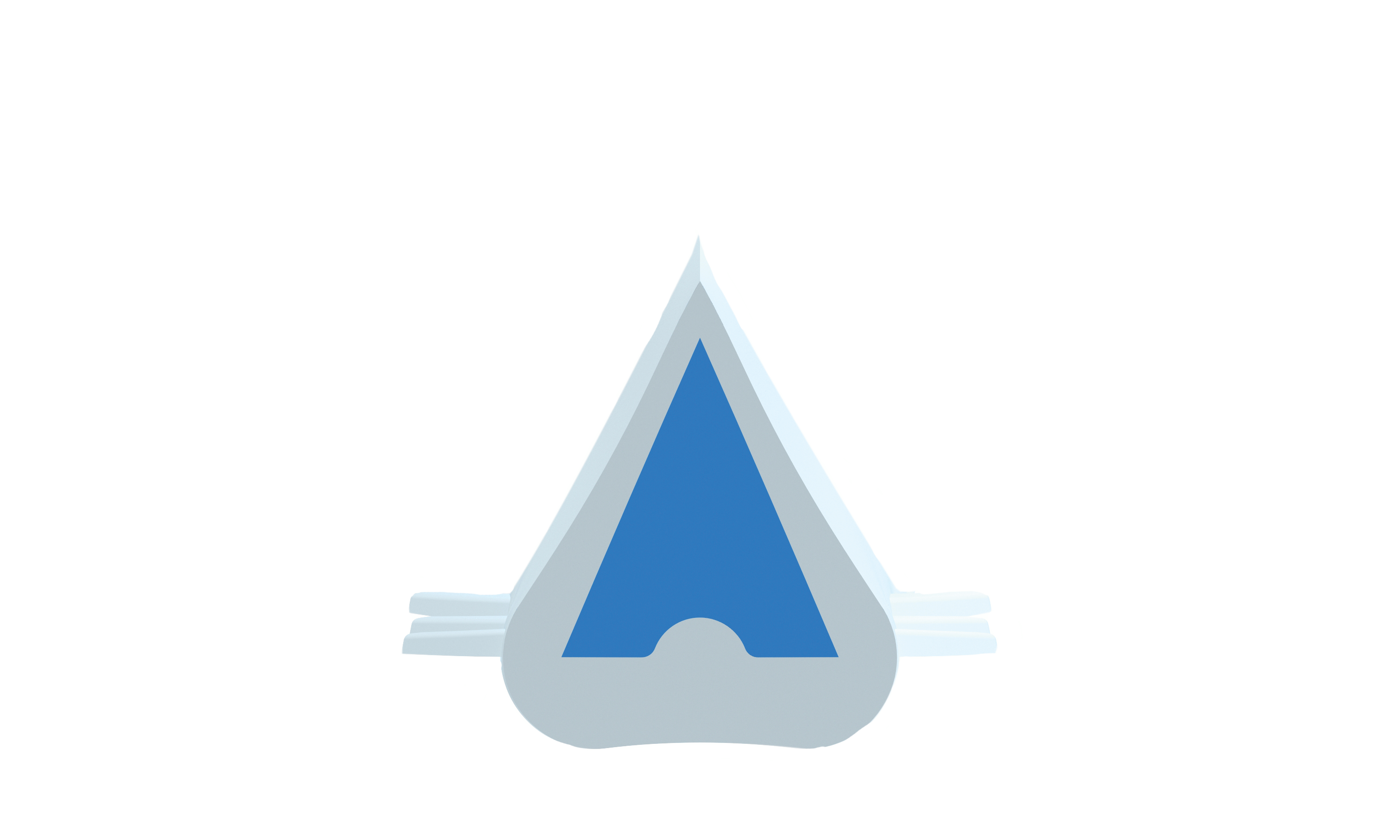
Composi‑Tight® 3D Fusion™ Wedges | FXBL | Our Most Popular! | 3.05 mm | 2.15 mm | 16.4 mm |
|
|
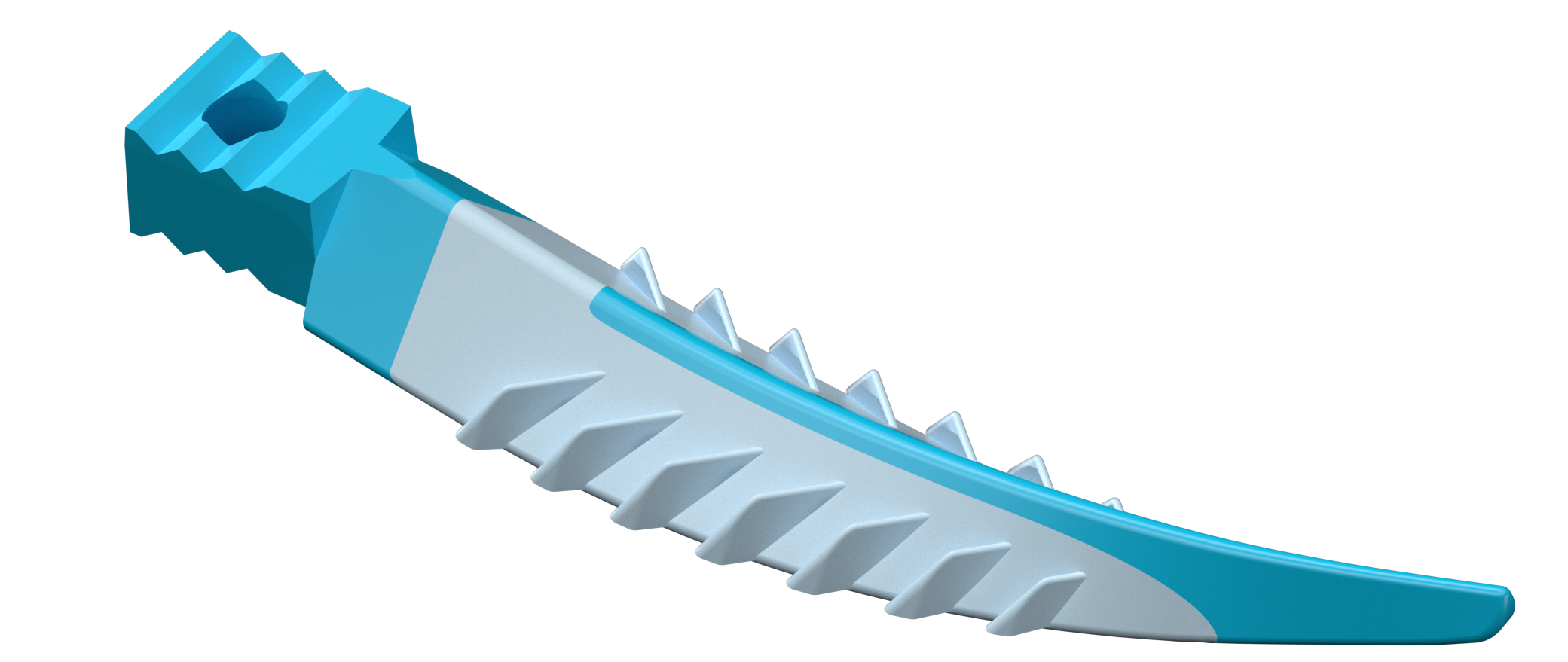
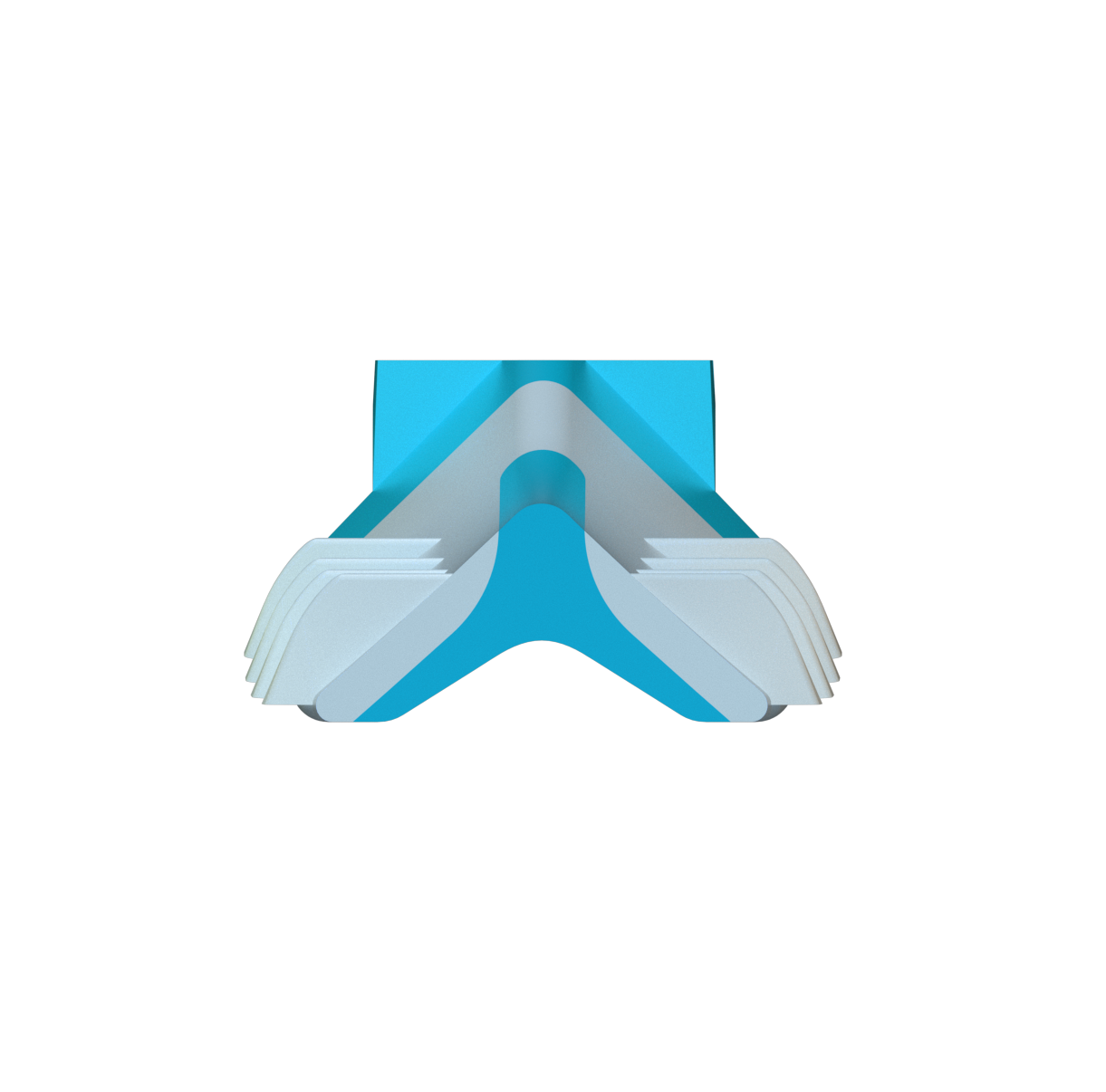
Strata‑G™ Wedges | SGBL | Deep seal with stackable design | 2.65 mm | 2.99 mm | 16.55 mm |
|
|
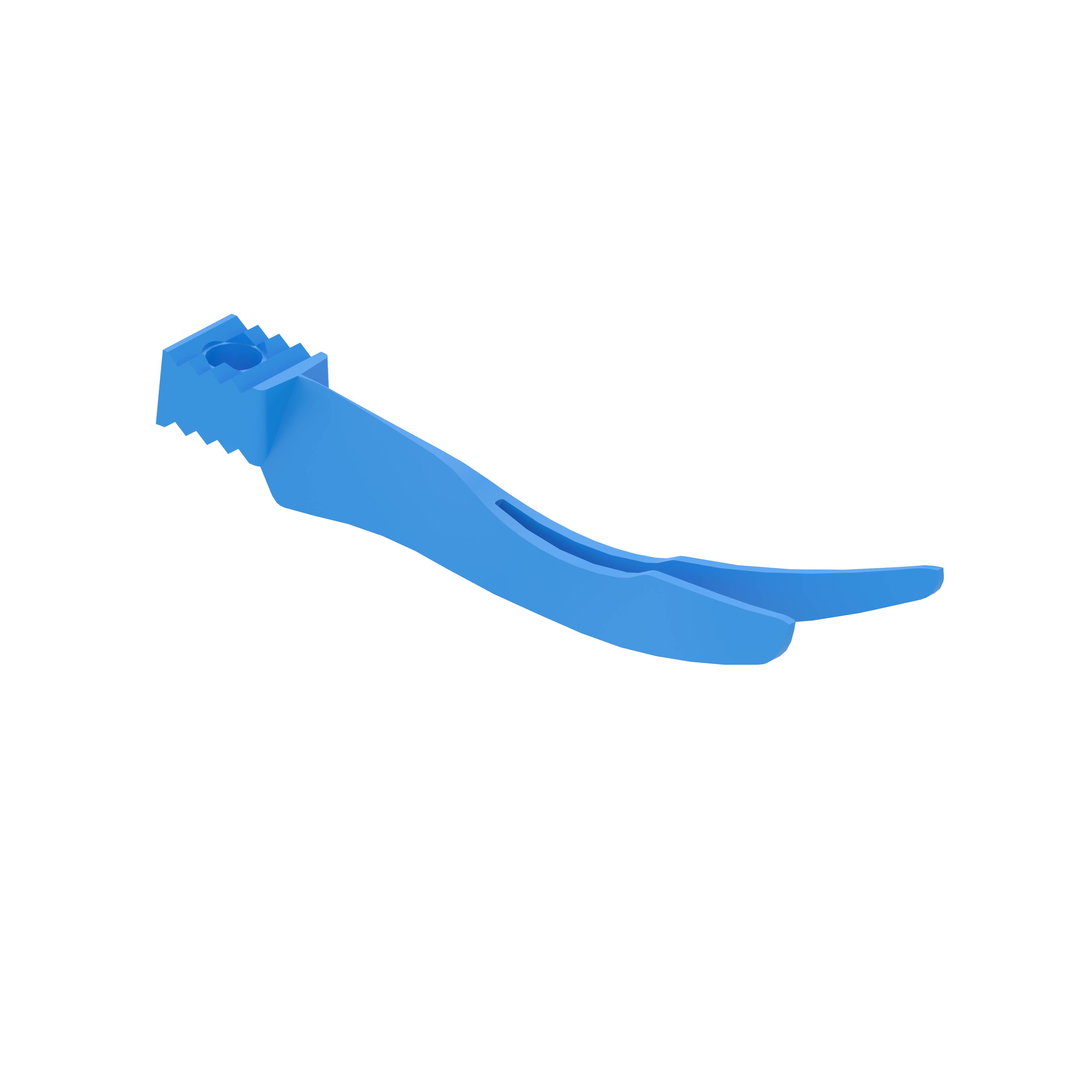
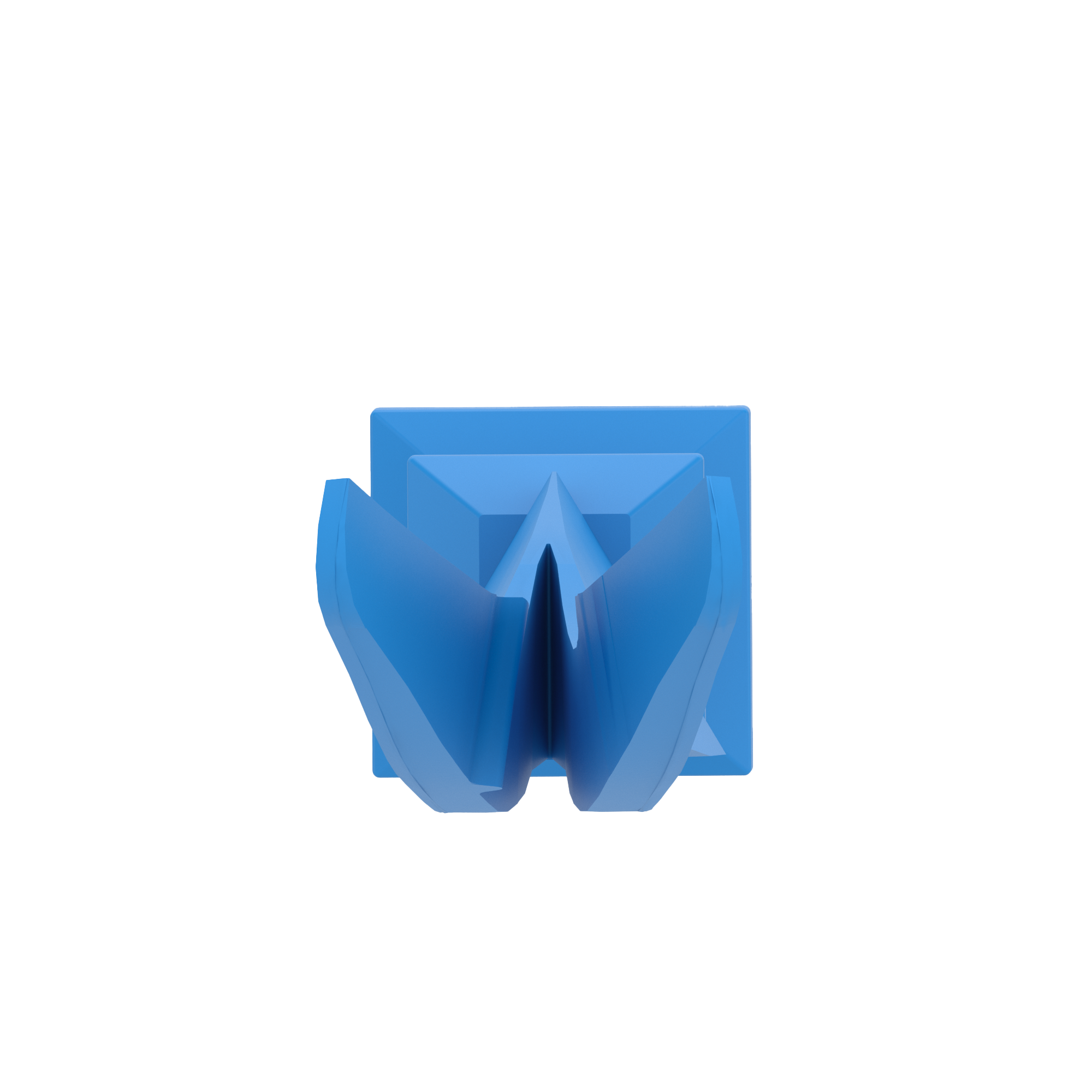
Quad Wedges | QBL | Independent cervical seal on both sides | 2.7 mm | 2.3 mm | 16.3 mm |
|
|
Evolving with the Clinician
Garrison’s approach to sectional matrix wedges is rooted in a simple belief: if a clinical solution still delivers excellent results, it still deserves a place in the operatory. Many of our earliest wedge designs helped clinicians consistently achieve proper separation and marginal seal years ago, and they continue to do so today. While newer wedges address emerging challenges and evolving techniques, we remain committed to supporting dentists who have built successful workflows around our original designs.
Innovation at Garrison does not replace what works. It builds on it. That is why our wedge line spans multiple generations, each designed to solve a specific clinical need while honoring proven restorative principles.
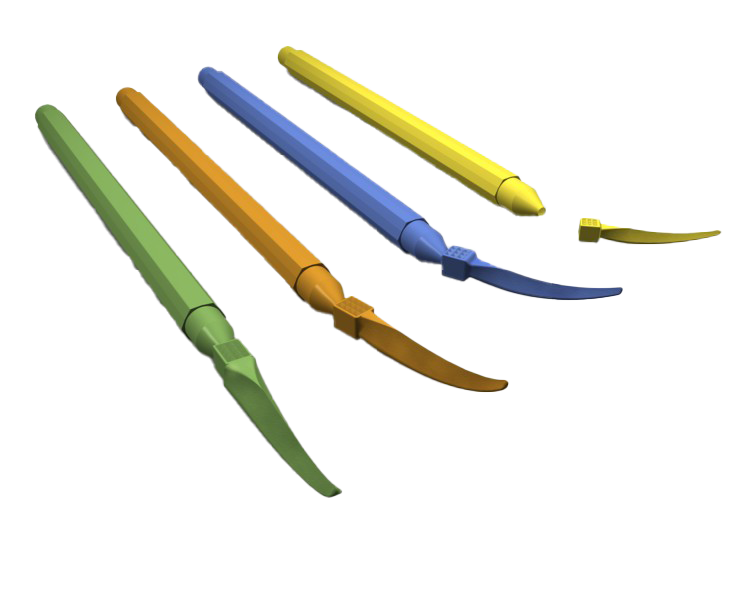
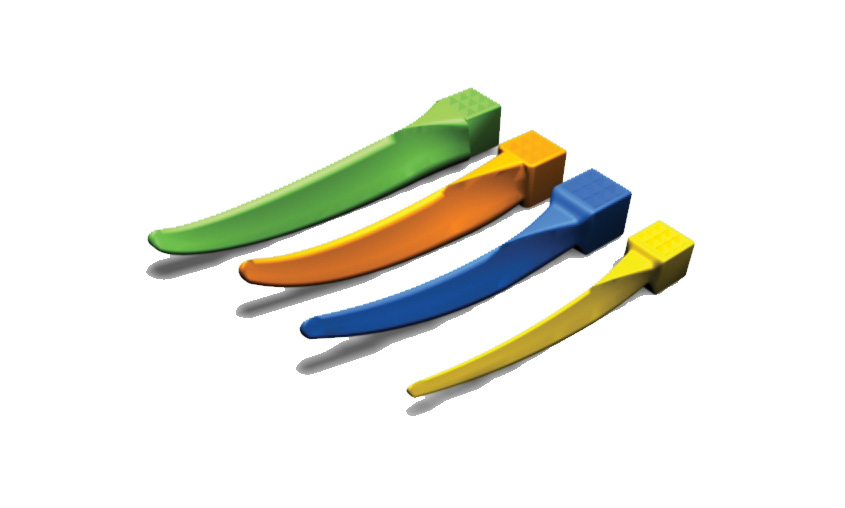
WedgeWands®:
Why it was developed: To make interproximal wedging simpler and faster without extra instruments.
Problem it solves: Efficient placement + anatomical adaptation to help achieve seal and separation.
Best suited for today: Practices that want a quick, consistent wedge placement technique across Class II/III/IV cases.
Key differentiators: Integrated wand applicator; anatomical wedge form; designed to reduce papilla trauma.
G‑Wedge™:
Why it was developed: For clinicians who liked the WedgeWands anatomy but prefer traditional placement with pliers or hemostat.
Problem it solves: Maintains anatomical wedging benefits while giving the operator instrument control.
Best suited for today: Clinicians who prefer tactile control and traditional wedging workflows.
Key differentiators: Gripping block; safety tip; WedgeWands shape without the wand.
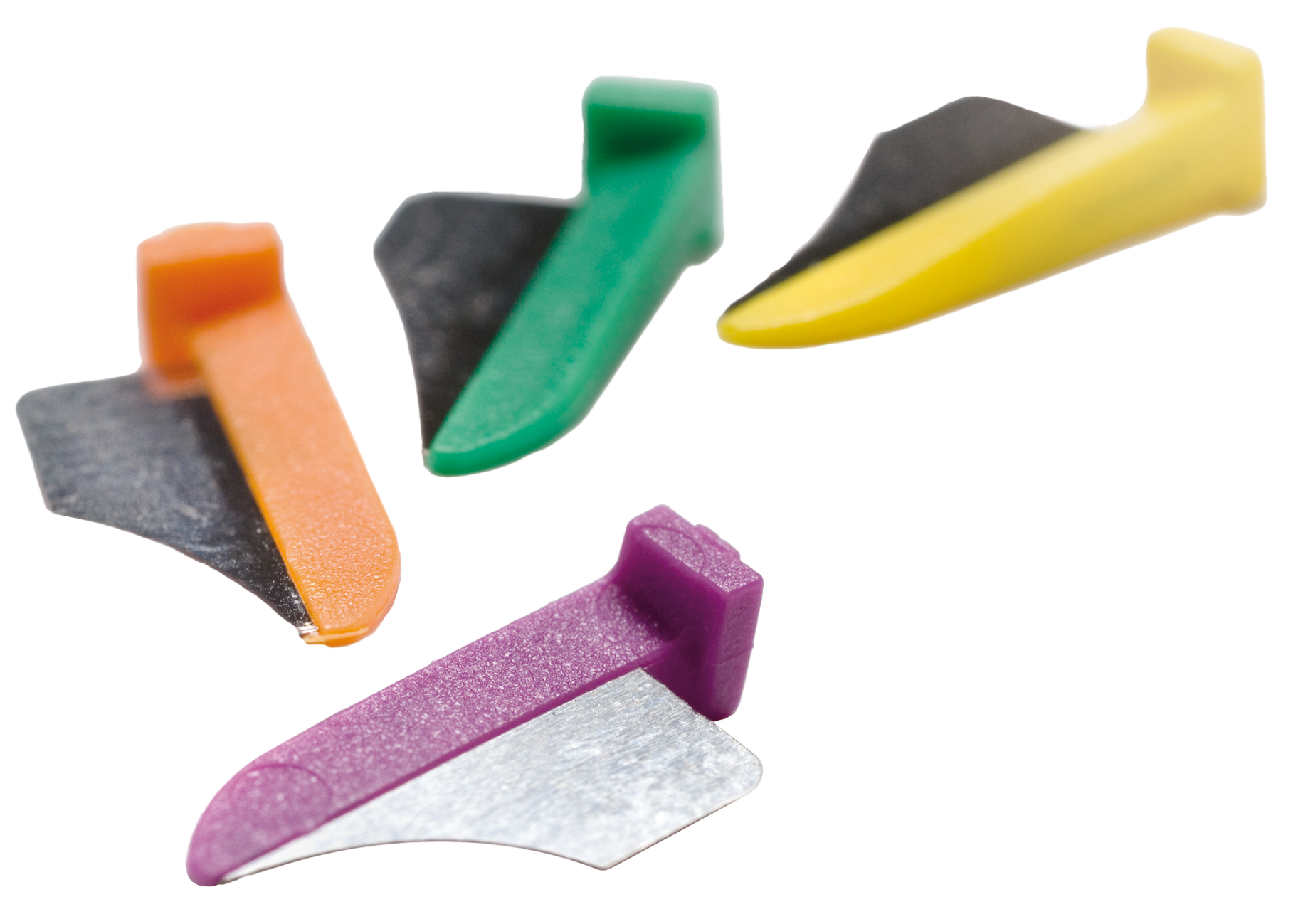
FenderWedge®:
Why it was developed: Not truly a wedge. Designed to address the challenge of conservative Class II preps where matrix placement can be difficult and to protect adjacent tooth structure during prep. Read more here.
Problem it solves: Pre‑separates teeth before matrix placement and provides a stainless steel shield to prevent bur nicks on adjacent enamel.
Best suited for today: Conservative Class II workflows, newer clinicians, or any case where adjacent protection is a priority.
Key differentiators: Stainless shield + wedge; placed before prep and removed after prep.
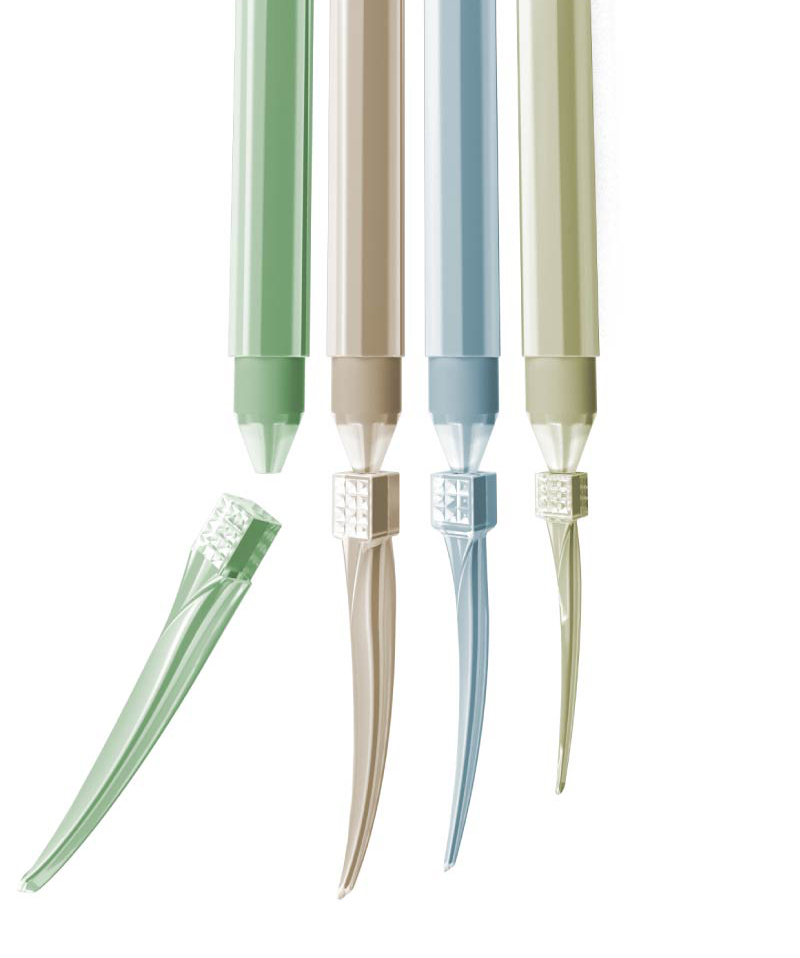
Cure‑Through WedgeWands®:
Why it was developed: To support clinicians using light‑cured composites who want curing penetration deeper into the interproximal space.
Problem it solves: Translucent wedge material designed to allow curing light penetration to the gingival floor while maintaining the WedgeWands placement style.
Best suited for today: Light‑cure composite restorations where curing access is a concern.
Key differentiators: Translucent “cure‑through” material + wand placement convenience.
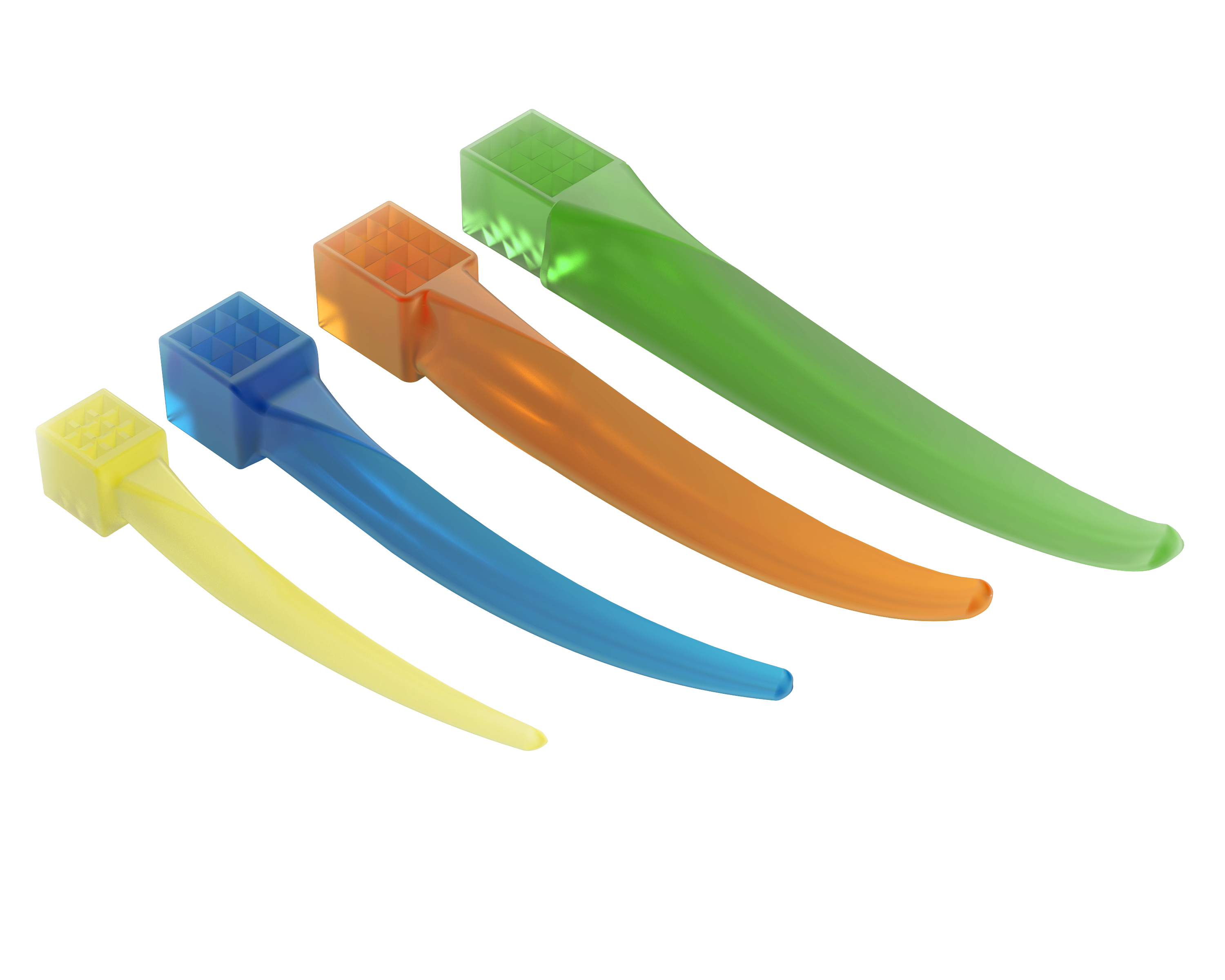
A+Wedge™:
Why it was developed: To simplify margin management by building bleeding control into the wedge itself.
Problem it solves: Coated with aluminum sulfate for an astringent effect, reducing the need to apply an astringent separately.
Best suited for today: Deep cervical margins, inflamed tissue, or any Class II/III/IV scenario where bleeding compromises visibility and bonding.
Key differentiators: Astringent coating; instructions include allowing time for effect and rinsing afterward.
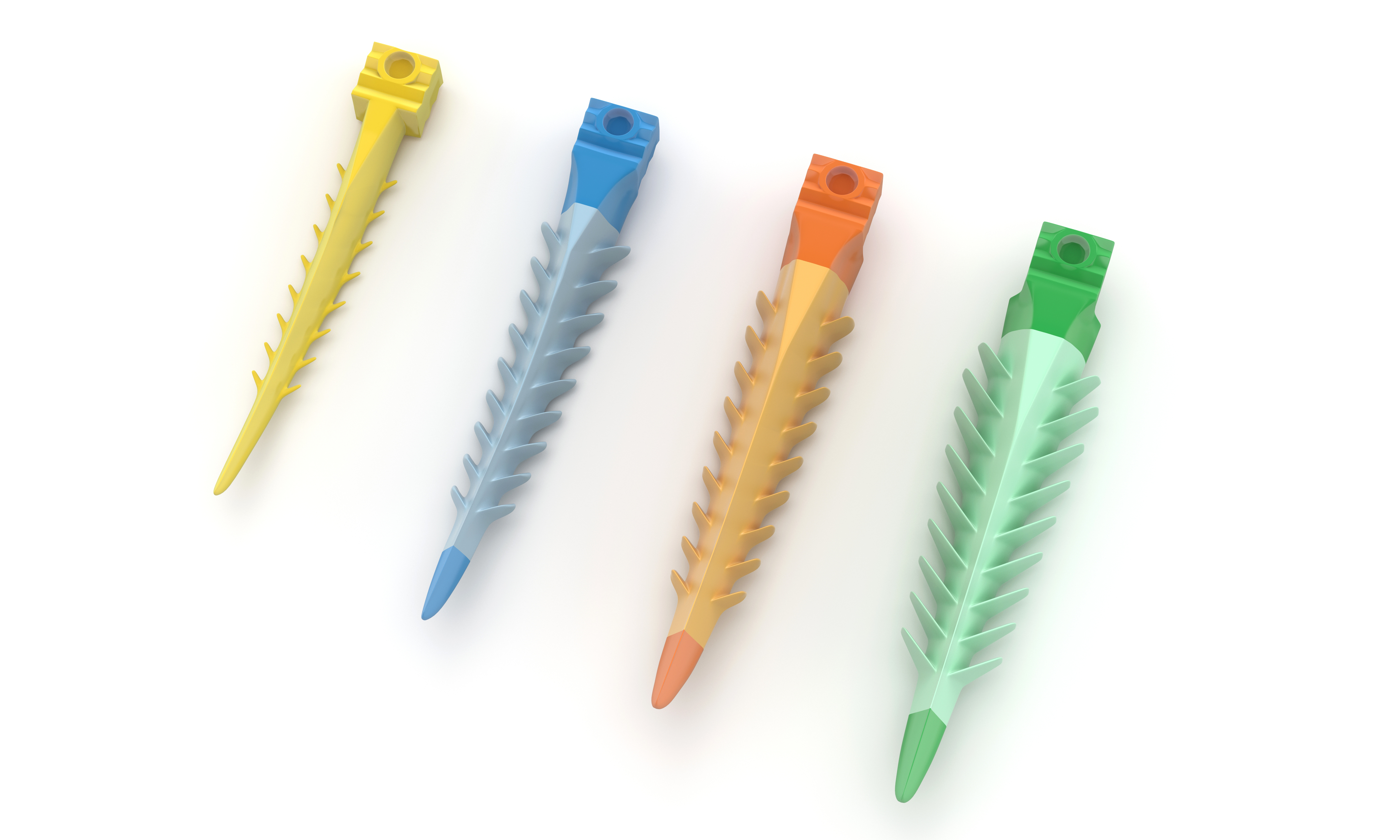
Composi‑Tight® 3D Fusion™ Wedges:
Why it was developed: These sectional matrix wedges improve cervical seal and retention using multi‑material design.
Problem it solves: Soft‑Face™ over‑mold helps the wedge adapt to irregularities; retentive fins help prevent back‑out.
Best suited for today: Clinicians who want predictable adaptation across matrix systems and fewer “wedge pop‑outs.”
Key differentiators: Soft‑Face™ + firm core + retentive fins; marketed as compatible with any preferred matrix.
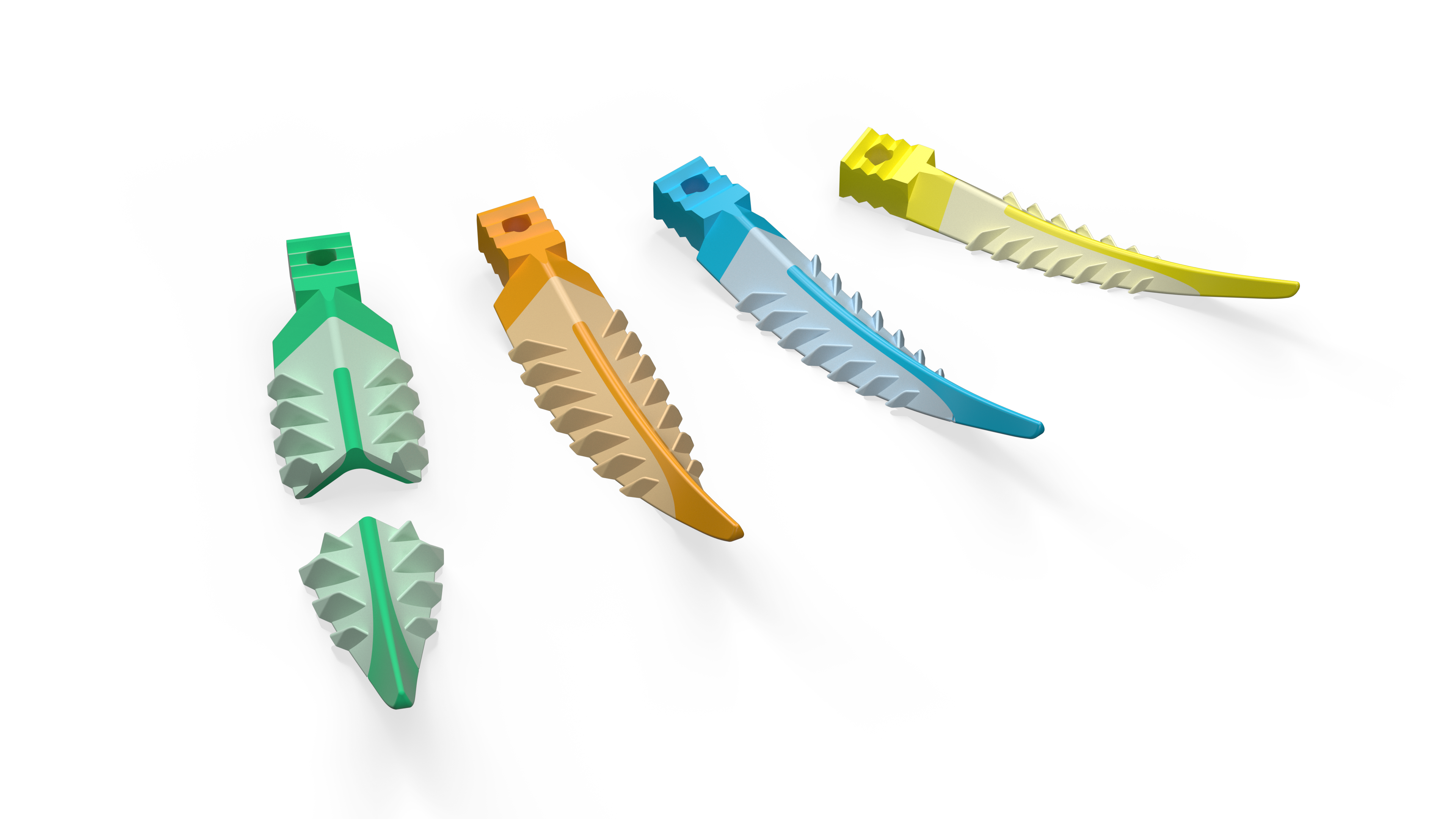
Strata‑G™ Wedges:
Why it was developed: To provide a deeper, wider seal with features that support advanced techniques like stacking and dual‑side wedging.
Problem it solves: Soft‑Face™ materials + sectional matrix wedge geometry designed for improved adaptation; tunnel design supports stacking; fins reduce back‑out.
Best suited for today: Clinicians who want strong flash control and flexibility across a wide range of posterior Class II scenarios.
Key differentiators: Stacking support; tissue-friendly contouring design
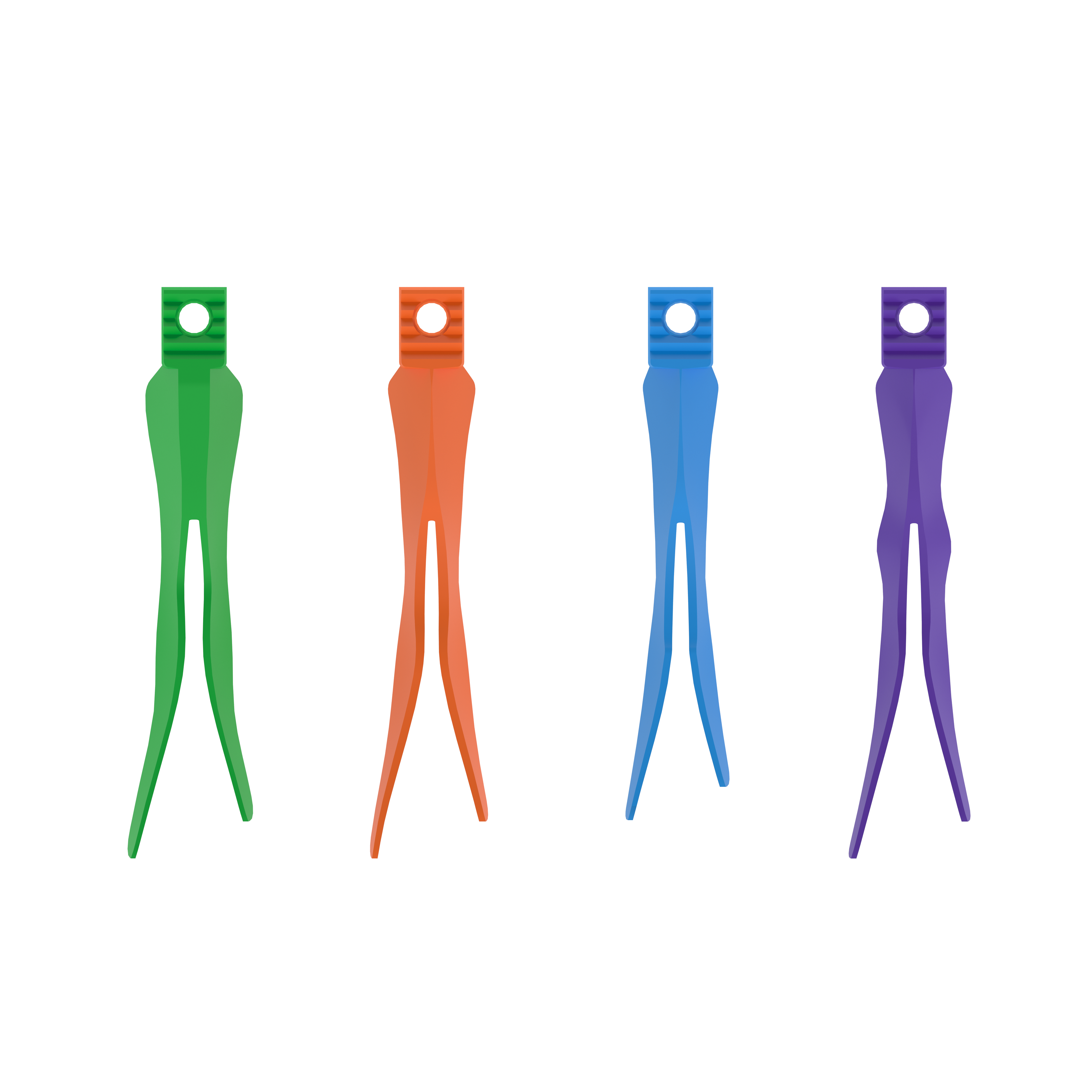
Quad Wedges:
Why it was developed: To support complex Class II workflows, especially back‑to‑back restorations, where sealing both cervical margins is a common failure point.
Problem it solves: Split‑tip sectional matrix wedge design adapts to both cervical margins; anatomical purple wedge helps seal root concavities.
Best suited for today: Quad Matrix users and clinicians regularly restoring back‑to‑back or mismatched margin depths.
Key differentiators: Designed to work with Quad Rings; split‑tip + specialized anatomical option.
Matrix Wedge FAQs
Q: What is your most popular wedge?
A: Fusion
Q: Why doesn’t Garrison have wood wedges?
A: It is not possible to create a wood wedge with the complex anatomy that Garrison’s plastic wedges have.
Q: What is the closest wedge you have to wood performance?
A: G-Wedge is the closest wedge we have to wood, because its firm body provides additional separation, while its textured sides help prevent backout. G-Wedge is our most basic wedge.
Q: Can I use Quad wedge without the Quad Ring?
A: You can, but to get the best performance out of the wedge, we recommend also using the Quad ring. The driver tip helps split the wedge, giving you the ultimate seal.
Q: I only want to buy one size, what is your most popular size wedge?
A: For Strata-G, Fusion, Gwedge, Quad, and WedgeWand, blue (small) is the most popular size.
Q: Should the wedge be used to separate the teeth?
A: Garrison believes the ring should do most of the separation but depending on the size of the wedge you will see some separation from the wedge.