
This resource page is designed to answer common questions about the Quad Band Wedge prototypes, helping you maximize efficiency and achieve predictable results in your back-to-back Class II restorations. We will continue to update this page based on feedback from clinicians participating in the field evaluation.
Please email your questions or suggestions to gvandentop@garrisondental.com.
Quad Band Wedge Overview
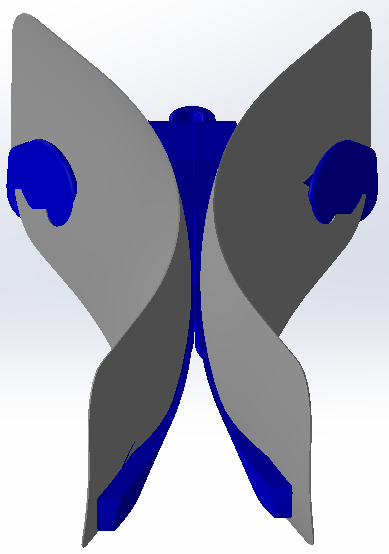
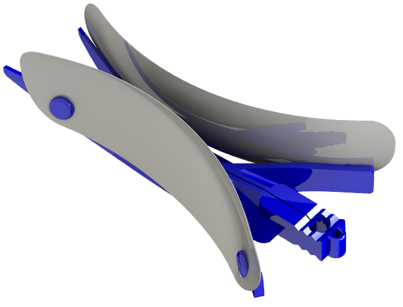
The Quad Band Wedge is designed to improve stability and placement of sectional matrix bands during back-to-back Class II direct composite restorations. The concept is intended to reduce band displacement during wedge and ring placement by adding two sectional matrix bands to a Quad split wedge. The Quad Band Wedge is designed and engineered to be used with Quad rings. To learn more about Quad rings and Quad wedges, click here.
How To Use the Quad Band Wedge
|
|
|
|
What problem are we solving?
Dentists frequently experience band destabilization and displacement when performing back-to-back Class II composite restorations using conventional sectional matrix systems. This concept addresses two critical moments of the procedure:
- During Wedge Insertion
- Matrix bands flare off the tooth before wedges are placed, allowing the wedge to catch the band and pull it off or mis-position it.
- During Ring Placement
- Placing the ring often displaces the band, causing loss of contact form, poor contour, or the need to restart the sectional matrix setup.
Split-Wedge Technology
Quad’s split wedge technology is designed for superior matrix adaptation in composite restorations. These wedges feature a split design that adapts to tooth anatomy, seals cervical margins, and prevents flash, particularly useful for deep, tight, or subgingival restorations. They are particularly designed for complex / quadrant restorations including back-to-back Class II restorations. The Quad Band Wedge is designed to be an improved solution for back-to-back Class II restorations.
Driver-Tip Technology
The Quad Rings have an asymmetrical design, with a standard tip on one side and driver tip on the other. (Red arrows point to driver tip.) The driver tip shape provides a precise fit to the anatomy of the adjacent teeth for a back-to-back restoration while maintaining strong separation force.
The driver tip is meant to drive the Quad Band Wedge bands against the adjacent teeth and split the wedge.
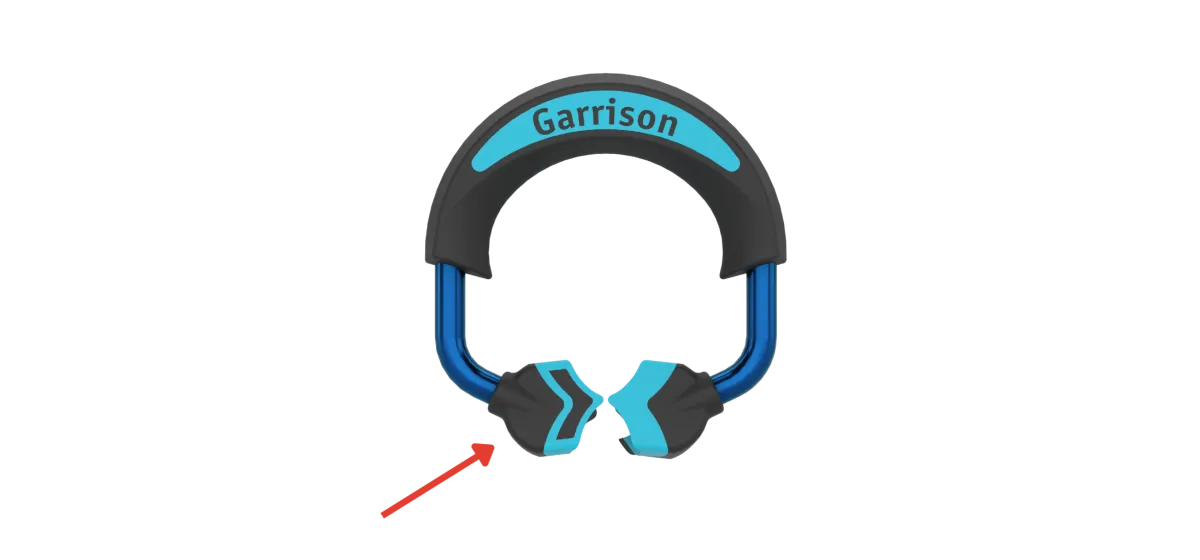
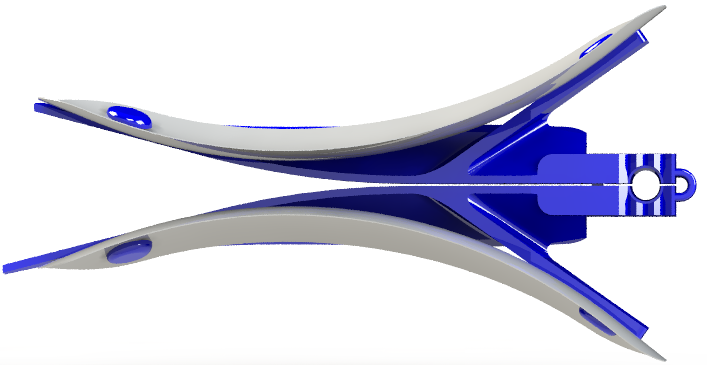
Top View
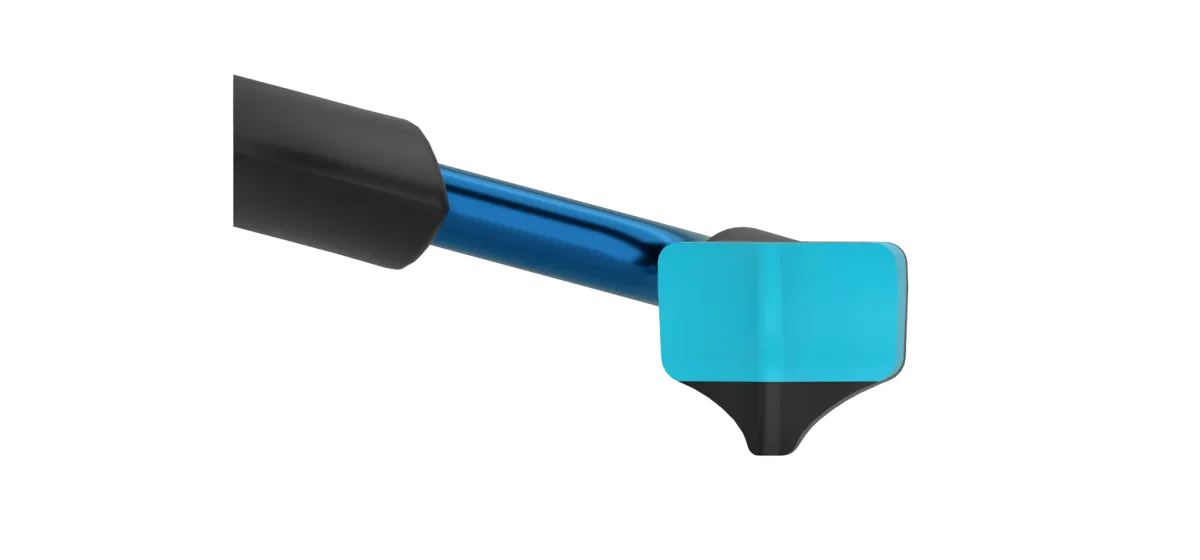
Tip View
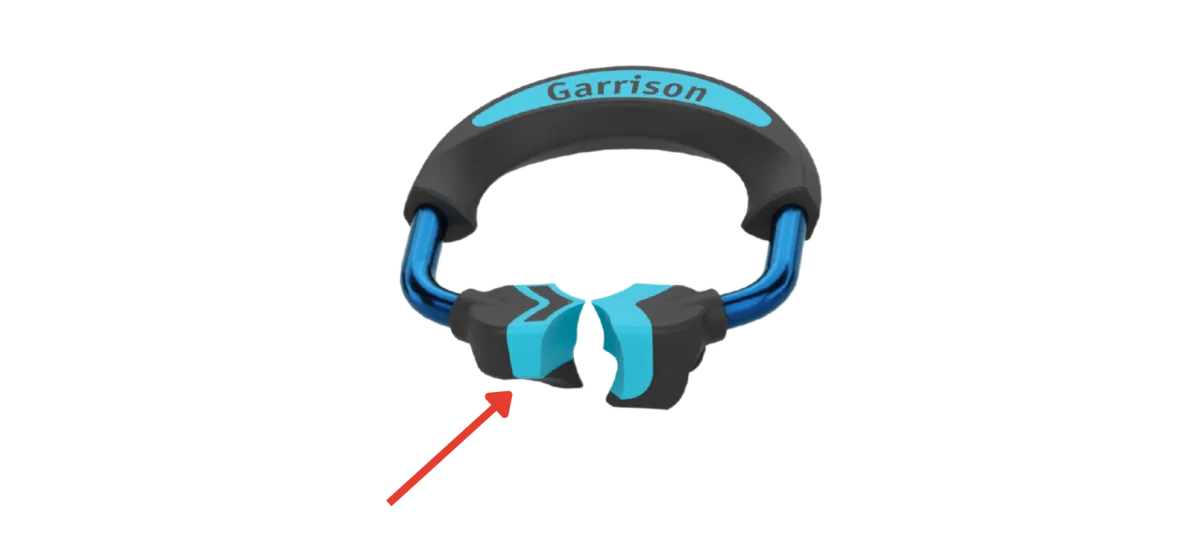
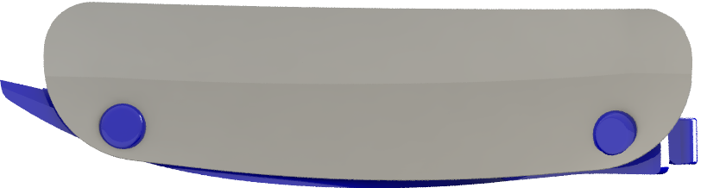
Front View
When to Use It
Since we only have one size of the Quad Band Wedge in this stage of development, the indication for use for these prototypes are simultaneous back-to-back Class II restorations on two molars. Please note that we plan on developing more sizes.
We’ve also received qualitative feedback that this concept works best for back-to-backs involving either:
- Perio-teeth (not clinically short teeth)
- Large embrasures
- Non-conservative preps
How to Insert It
We typically recommend to insert the Quad Band Wedge on the narrower side of the prep / embrasure, which contradicts our recommendation of inserting regular Quad wedges into the wider side of the prep. This is because if you insert the Quad Band Wedge on the wider side, the bands tend to get caught on the prep during insertion.
We also recommend using Garrison’s BWI or BFA-1 instruments to insert the Quad Band Wedge. If you do not have these, cotton tweezers will likely work.
Which Ring To Use
This concept is designed and engineered to be used with a Quad ring. If you are willing to test with a non-Quad ring, please do so as we will ask for feedback on that as well.
How to Place Ring
The concept is designed for the non-driver Quad ring tip to be placed over the grip block.