
Garrison Sectional Matrix Rings
Garrison is a premier manufacturer of the sectional matrix ring, delivering premium solutions trusted by dentists for precise restorative dentistry. A sectional matrix ring is a specialized dental medical device used during Class II restorations to gently separate teeth, allowing a matrix band to form accurate contours and tight interproximal contacts. Garrison sectional matrix rings are engineered to apply consistent separation force while maintaining stability throughout composite placement and are used by thousands of dentists worldwide. Backed by decades of restorative innovation, Garrison designs its sectional matrix ring systems to support predictable contacts, natural anatomy, and efficient clinical workflows. When clinicians choose a Garrison sectional matrix ring, they rely on proven quality from a brand recognized globally for excellence in matrix system technology.
Matrix Ring Comparison Table
Original | Gold | 3D | 3DXR | NiTin | Fusion | Strata-G | Quad | |
| Universal Ring Image |
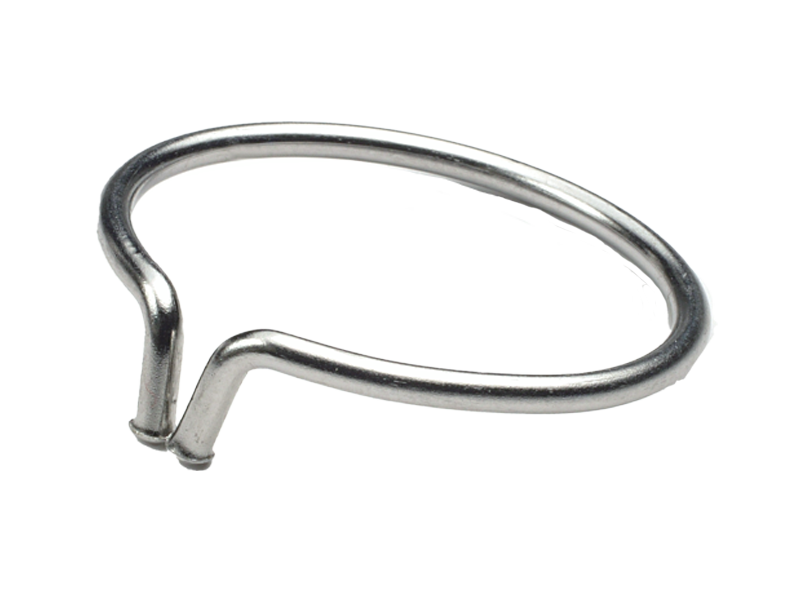
|
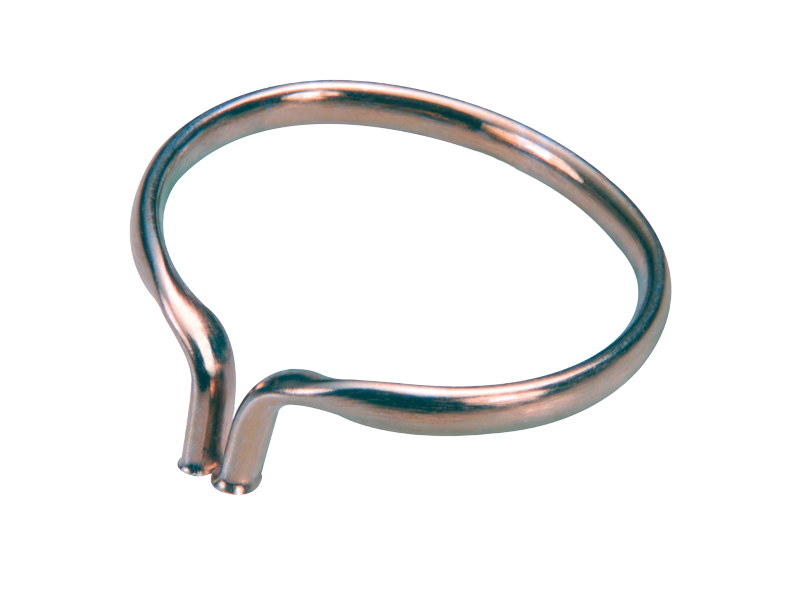
|
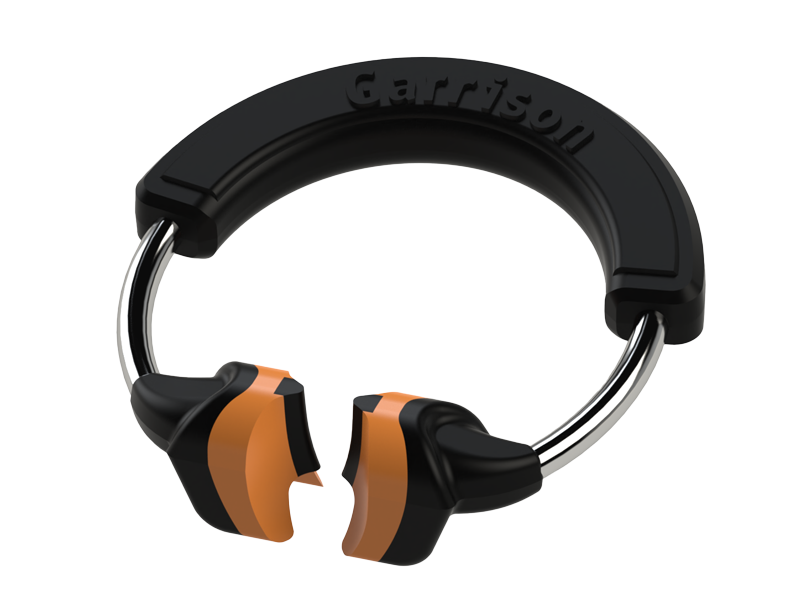
|
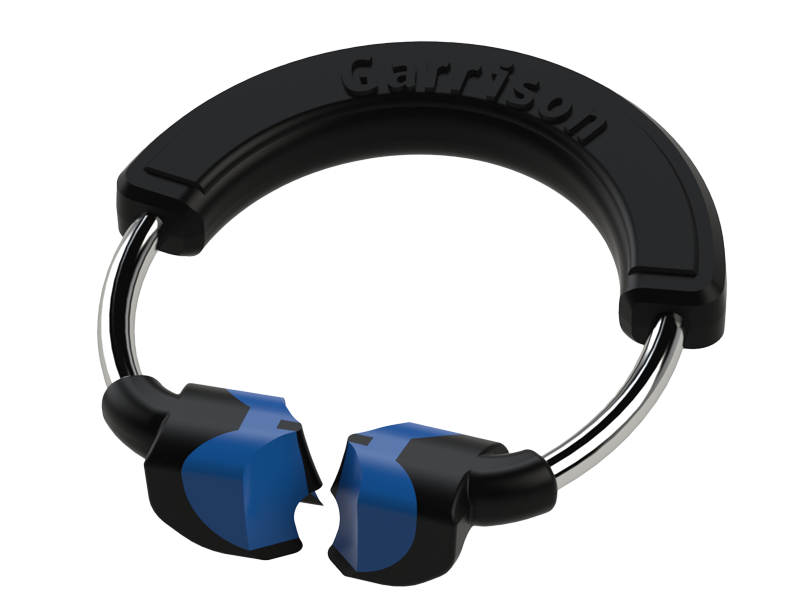
|
|
|
|
|
Universal Size | X | X |
| X | X | X | X | X |
Tall Size | X | X | X |
| X | X | X | X |
Wide Prep Size |
|
|
|
|
| X | X |
|
Retention Tips | X | X |
| X | X | X | X | X |
Soft-Face Tips |
|
| X | X |
| X | X | X |
Symmetrical Tip Design | X | X | X | X | X | X | X |
|
Asymmetrical Tip Design |
|
|
|
|
|
|
| X |
Ring Material | Stainless Steel | Stainless Steel | Stainless Steel, PEEK Reinforcement, Silicone | Stainless Steel, PEEK Reinforcement, Silicone | Nitinol, PEEK Reinforcement | Stainless Steel, PEEK Reinforcement, Silicone | Nitinol, PEEK Reinforcement, Silicone | Nitinol, PEEK Reinforcement, Silicone |
Link to Product | Shop Original Rings | Shop Gold Rings | Shop 3D Rings | Shop 3DXR Rings | Shop NiTin Rings | Shop Fusion Rings | Shop Strata-G Rings | Shop Quad Rings |
How to Choose the Right Ring
Choosing the correct sectional matrix ring depends on what you are looking for. Some of our customers prefer our legacy rings (original, gold, 3D, 3DXR) and that’s why we keep making them! With that being said, our general recommendations are below:
- Standard Class II Restoration: Strata-G, Fusion
- Complex Class II Restoration (back-to-back, quadrant dentistry): Quad
A Tradition of Continuous Improvement
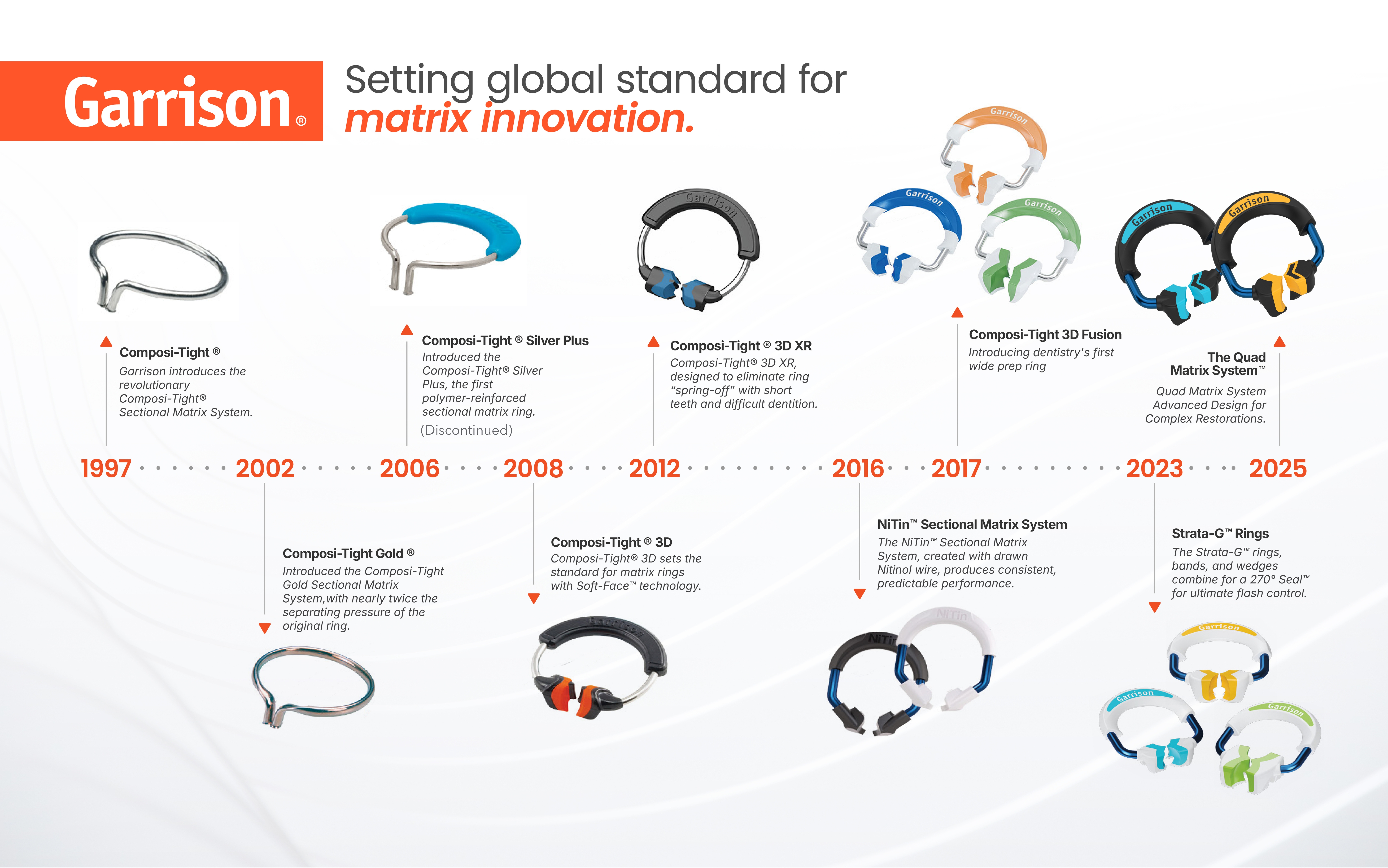
Composi-Tight Original:
The system that started it all. The defining feature that differentiated Composi-Tight from its contemporaries was the flared edge on the end of the tips, which gave retention grip to prevent the rings from slipping off the teeth. Still a useful option today for cases such as premolar-canine placement, where the thin metal tip can grip the asymmetrical anatomy effectively.
Composi-Tight Gold:
The Gold rings featured an updated ring wire. It had a larger, oval-shaped cross section compared to the circular wire of the Original system. This provides a broader contact surface between the ring tips and tooth surface.
Composi-Tight 3D:
Garrison’s first Soft-Face matrix ring. The highly innovative combination of the broad plastic tip bonded with flexible silicone provided unprecedented adaptability for anatomical shaping and flash reduction. Soft-Face has since become a staple on all of Garrison’s premium matrix rings.
Composi-Tight 3DXR:
The next step in the evolution of the Soft-Face ring design was to incorporate rigid plastic retention extensions on the bottom of the ring tips. This gave tremendous extra grip along the bottom of the ring tip, virtually eliminating ring spring-off. Other changes included an updated ring backer and changing of all plastic components to be made out of PEEK: an extremely durable medical plastic that extends ring lifespan and performance. The shorter “universal” ring size also complemented the taller tip height of the existing 3D ring, providing advanced Soft-Face ring options for both sizes.
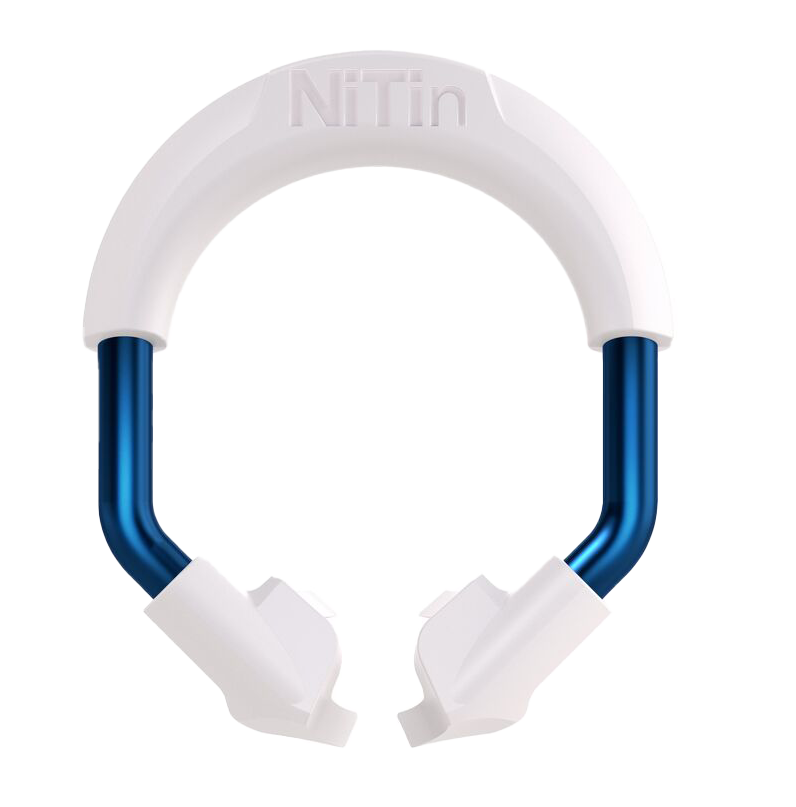
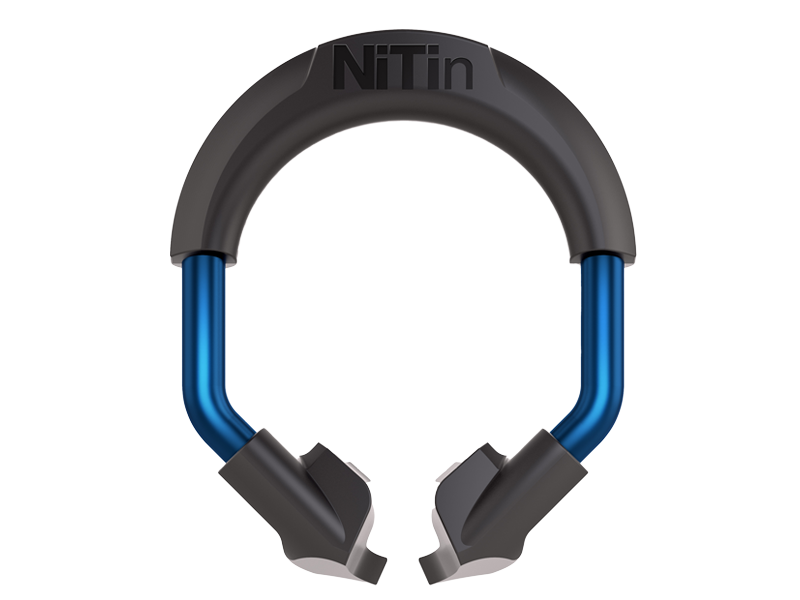
NiTin:
The NiTin system represents Garrison’s attempt to compromise between cost and modern features. It has PEEK tips and backer over a ring made of drawn nitinol (nickel titanium) wire, a material known for its excellent mechanical properties and shape memory. This option is best for more cost-conscious users who still desire the longevity and performance of modern ring designs, or for those who prefer hard-face ring tips.
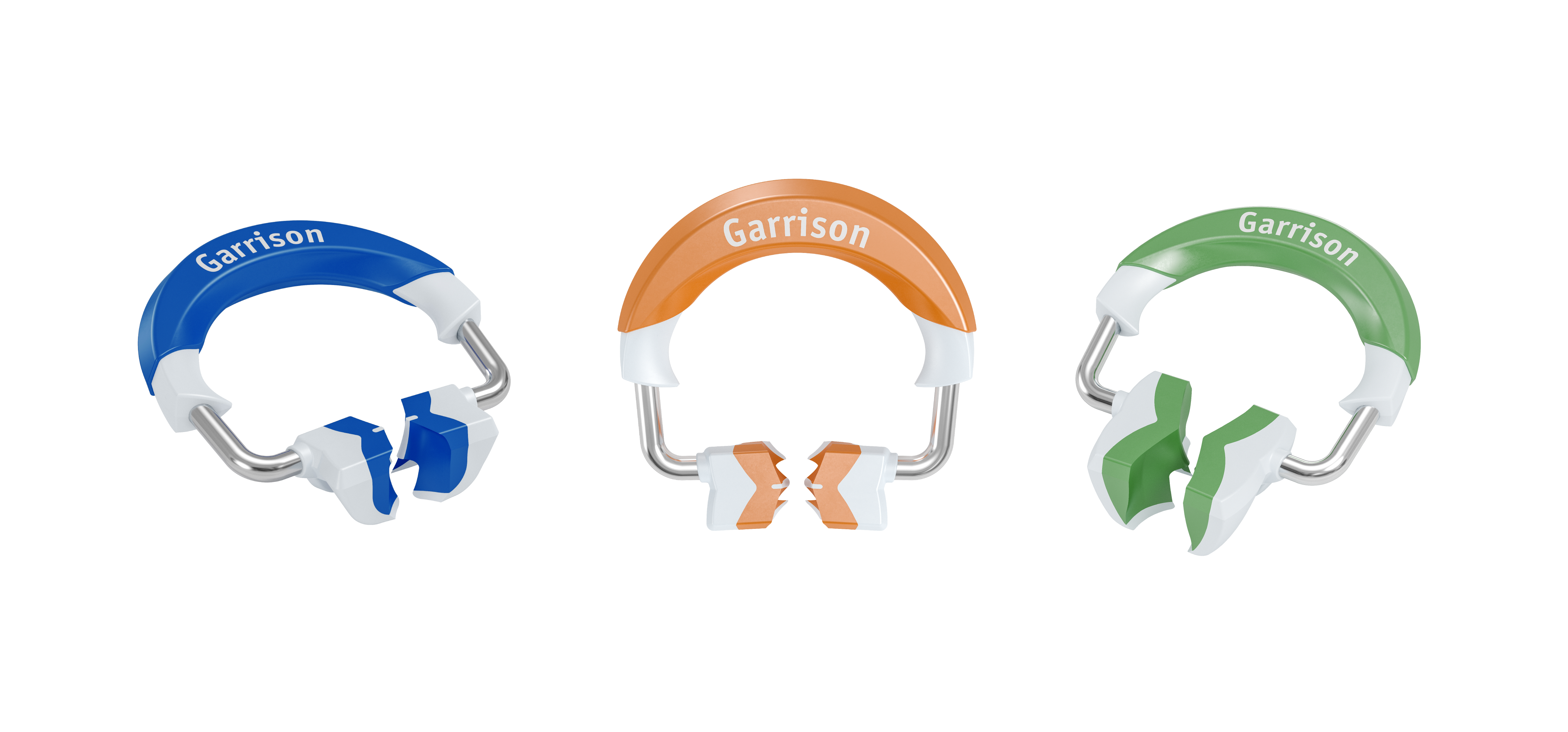
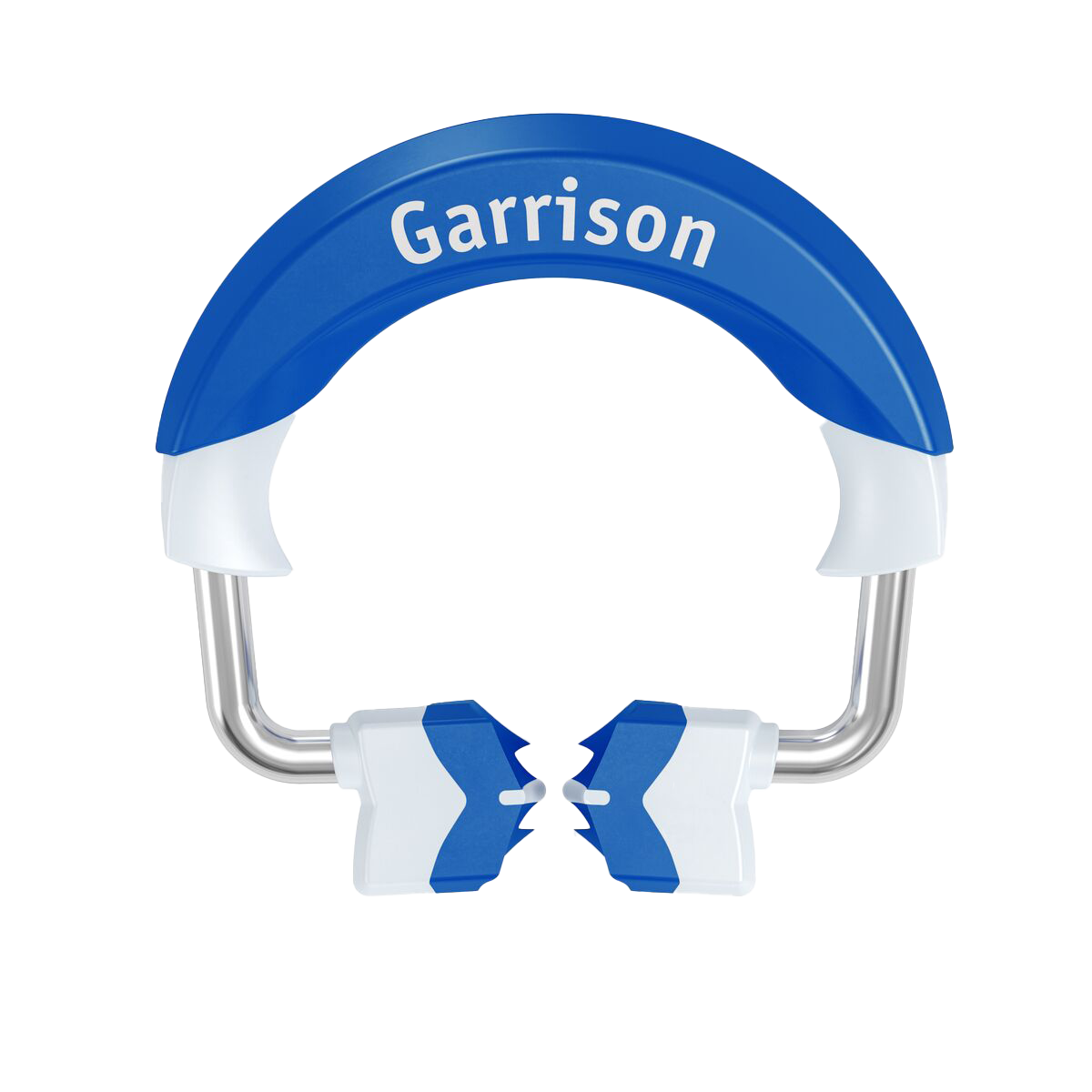
Composi-Tight 3D Fusion:
The Fusion system introduced several new designs and functional enhancements over the 3DXR line. It unified the universal and tall rings into a single product line (as opposed to the separate 3D and 3DXR rings) and introduced the first ever wide prep ring for extra-large restorations up to a missing cusp. All Fusion rings featured improved anatomical tip shapes, and ring structure that allowed for easier stacking of multiple rings at a time.
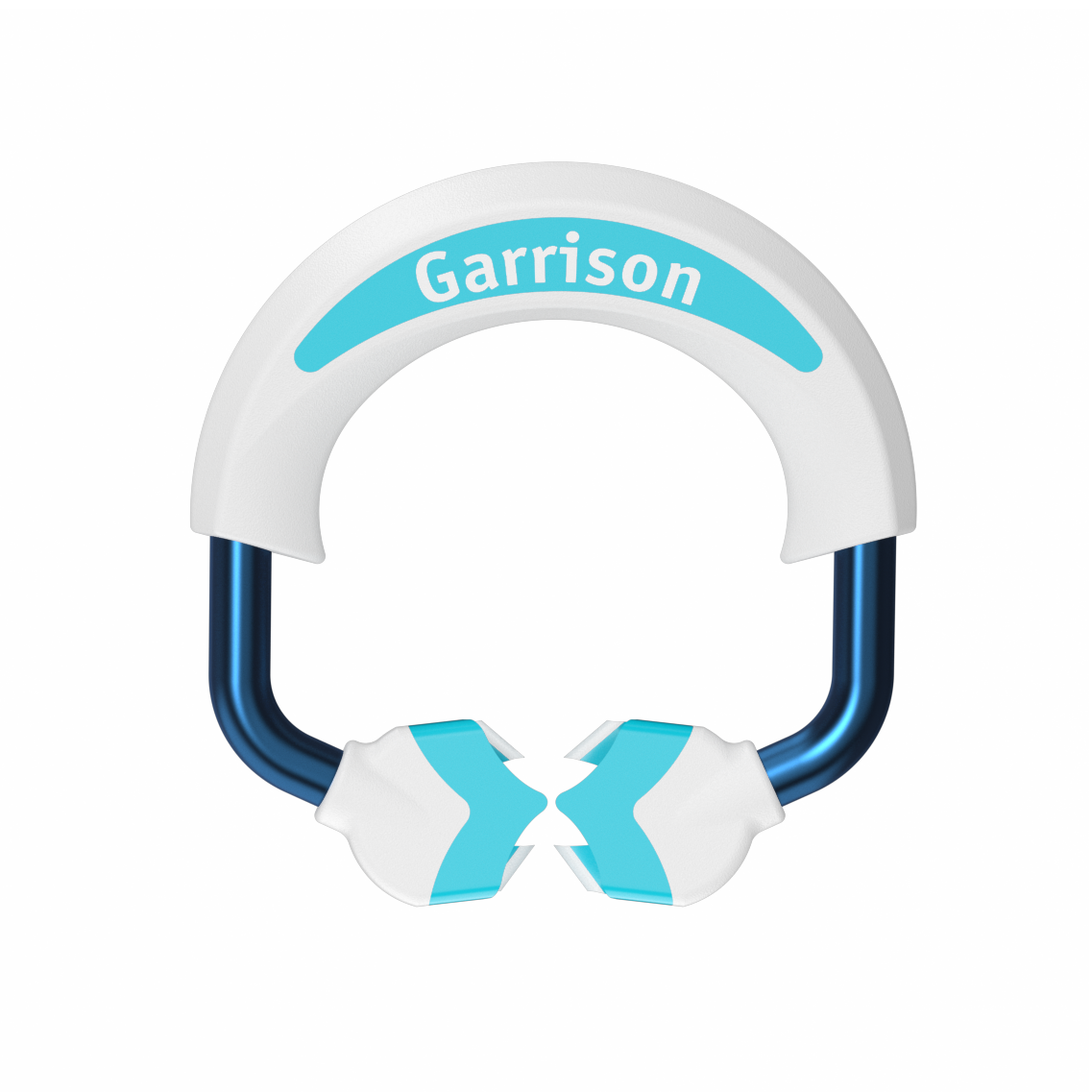
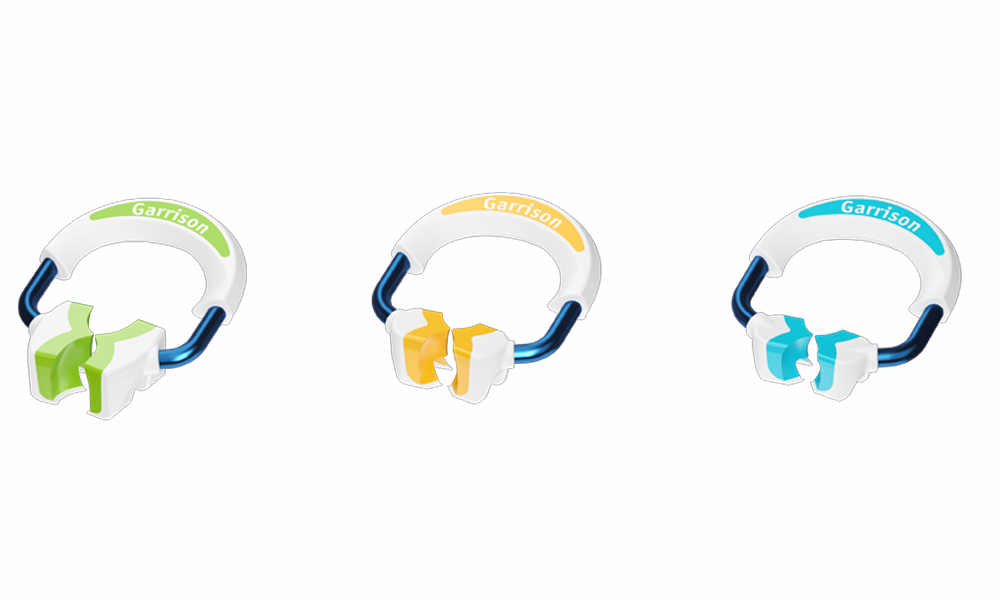
Strata-G:
An incremental evolution from the Fusion system. The key difference is the switch from stainless steel to nitinol wire for improved longevity and ring performance. Tip shapes were also sculpted to better match interproximal anatomy, especially along the marginal ridge. The ring’s overall footprint is also slightly reduced compare to Fusion, taking up less space in the mouth.
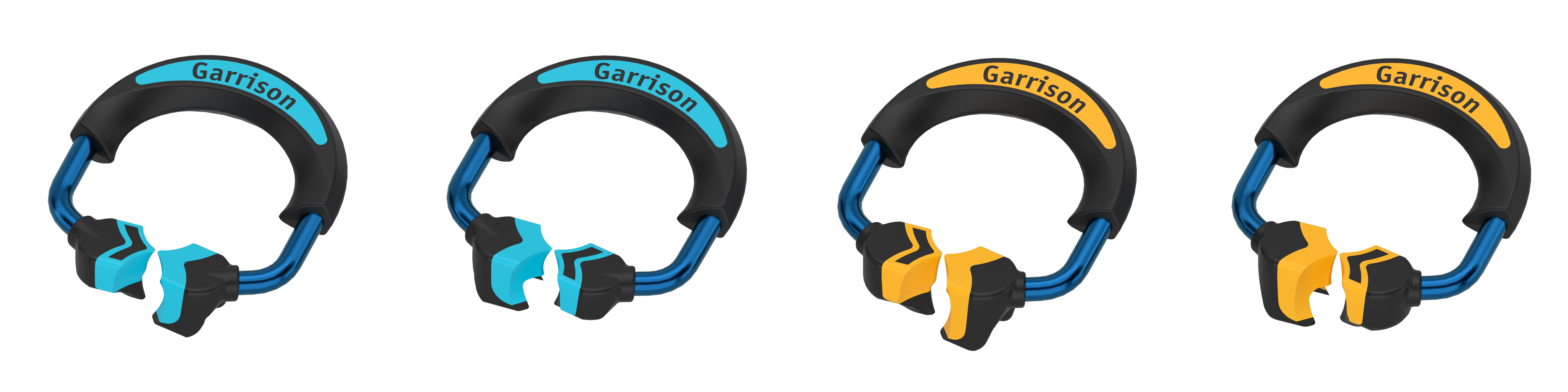
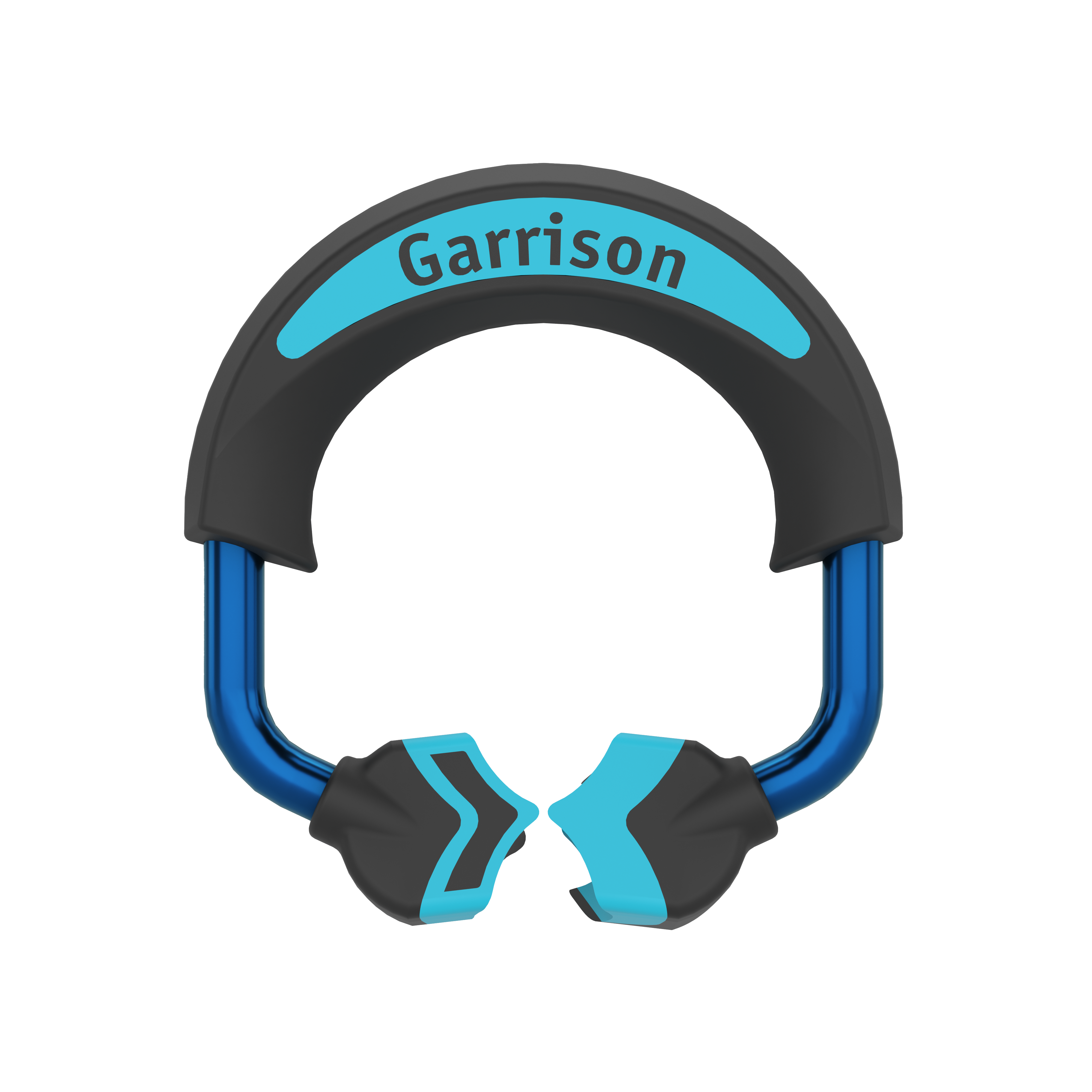
Quad:
The latest innovation and new technique for sectional matrix systems developed together with Dr. Matt Burton. The Quad rings are unique in the way they engage with the split-tipped Quad wedge. The rings have asymmetrical tips: one tip is a typical shape based on the Strata-G design, while the other tip is a driver design which lodges in between the split tips of the Quad wedge, separating the wedge and sealing it along both teeth. This revolutionary technique excels in back-to-back restorations where preps of two different depths are being restored simultaneously, as well as being an exceptional universal Class II solution due to its seal and adaptation. The Quad system is recommended for confident sectional matrix system users looking for an adapted technique for more challenging restorations.
Matrix Ring FAQs
Q: How long do sectional matrix rings last?
A: Garrison engineers have exhaustively tested all our rings styles over the years in simulated use. Ultrasonic cleaning and various types of disinfecting and sterilization procedures are included in those tests. The single most important factor in ring life is how far the user opens the ring to place it. Because this is user dependent, it is not possible to say how long a ring will last.
Q: How do I maximize the useful life of my Garrison ring?
A: Don’t over open the rings during placement and be sure to use a Garrison ring placement forceps. The extra control imparted by using the correct forceps will make placement easier without over-stretching the ring.
- Do not sterilize the ring while it’s placed on the forceps. Yes, we’ve seen offices where they put the ring on the forceps, open and lock the forceps, then sterilize the entire assembly. That might keep things conveniently together, but your ring will stretch out more quickly.
- Leave the ring sitting by itself on the tray and do not engage it with the forceps until it is time to place it.
- Only use approved sterilization methods.
- Make sure the staff understand not to throw them away. Honestly – the biggest issue with rings is them accidentally getting thrown out.
Q: What are the different rings for?
A:
- Universal: applicable for most Class II preps and premolar/molar sizes.
- Tall: for cases with taller molars, to match the curvature and marginal height of the tooth.
- Wide prep: for cases with preps wider than the typical matrix ring can handle, up to and including a missing cusp.
- Quad: for use with Quad wedges. The ring’s special driver tip engages between the split ends of the wedge, adapting it around the base of the tooth and sealing the band. Designed as an advanced system for tackling back-to-back restorations and quadrant cases, and also provides excellent results for typical Class IIs.
Q: Are Garrison rings premolar and molar sized?
A: The “universal” ring sizes are the shortest in height, and are the best option for premolars and most short or average height molars. The “tall” sizes are for tall molars.
Q: Are these for small, medium and large restorations?
A: The universal and tall ring sizes can handle most typical Class II sizes. The wide-prep rings are for larger restorations which would extend beyond the contact point of other rings, up to and including a missing cusp.
Q: Can I use these with other bands/wedges?
A: Almost all Garrison rings can be used with other bands and wedges.
- Quad rings are specifically designed to work with Quad wedges due to the driver tip and split-wedge design. It is possible to use other rings with the Quad wedges but will be more difficult to place, with worse interproximal contact. It is possible to use Quad rings with other wedges but it would need to be placed with the driver tip on the opposite side of the wedge from the prep, and may not work well with all wedge types.
Q: Are they autoclavable?
A: Yes. Per the cleaning and sterilization instructions found here.
Q: How do you clean/sterilize these?
A: Per the cleaning and sterilization instructions found here.
Q: How long does the silicone last?
A: The silicone will outlast the overall usable lifespan of the ring. Avoid contacting the ring with sharp instruments that may cut or otherwise damage the soft silicone.
Q: Does the silicone get hard, tear or fall off?
A: The silicone will not experience material property changes over its lifespan and should not peel or fall off under appropriate normal use and sterilization conditions. The material is soft and could be torn or damaged by contact with sharp implements.
Q: Why do you call this orange when it is clearly yellow?
A: According to industry color standards, it is technically orange. Although it is up to interpretation! We’ll let you decide.
Q: What do I do if I have a back-to-back restoration?
A: Garrison users typically do one of two techniques for back-to-back restorations
- One-at-a-time: placing the matrix system components and doing restorations one-at-a-time, removing and replacing the components individually for each prep.
- Simultaneous: placing bands for both preps, filling one prep, removing the ring and one band (to ensure best contact), replacing the ring and filling the opposite prep.
Q: Why do you keep making the metal rings if the silicone is so much better?
A: Garrison keeps legacy product lines available for customers who prefer the older styles.
Q: Why do you keep changing the rings?
A: Garrison is perpetually experimenting with designs to improve restorative techniques, and releases new rings when we have validated the improvements.
Q: Why wouldn't I purchase the Quad Rings if I want the newest rings that you offer?
A: The Quad rings work in synergy with the Quad wedges in a slightly more advanced sectional matrix technique compared to a typical ring and wedge. While they are our newest and highly effective option, for typical Class II restorations or new sectional matrix system users, it may be easier to use a conventional ring and wedge style such as Strata-G.
Q: Can I recalibrate the Garrison Rings like certain other rings?
A: Garrison rings do not stretch out easily and therefore do not require ‘retensioning’
- Garrison advises against squeezing or otherwise attempting to re-tighten any sectional matrix rings the rings due to the adverse effects this has on the ring’s lifespan and effectiveness. It fatigues the material, may lead to ring breakage, reduced shape memory and separation force.
- The best way to avoid stretched rings is to not open them further than necessary during prep or placement and not leave them locked open on forceps for extended periods.