
Manual IPR Strips and Rotary IPR Burs for Predictable Interproximal Reduction
Whether you're performing clear aligner therapy, managing anterior crowding, correcting black triangles, or recontouring teeth, successful interproximal reduction requires the right instrument for the right amount of reduction. Garrison offers a complete IPR workflow featuring FitStrips™ abrasive strips and ProxiBur™ rotary IPR burs, giving clinicians a more efficient and predictable approach to enamel reduction.
Shop IPR FitStrip™ Kits Shop ProxiBur™
What Is Interproximal Reduction (IPR)?
Interproximal reduction (IPR), also known as tooth slenderization, stripping, or reproximation, is the selective removal of enamel between teeth to create space for tooth movement. IPR is commonly used during clear aligner treatment, fixed orthodontic therapy, black triangle reduction, tooth recontouring, and restorative space management.
Most clinical scenarios require between 0.2 mm and 0.5 mm of reduction per contact point, making instrument selection critical for achieving predictable results.
Clear Aligner Case Example
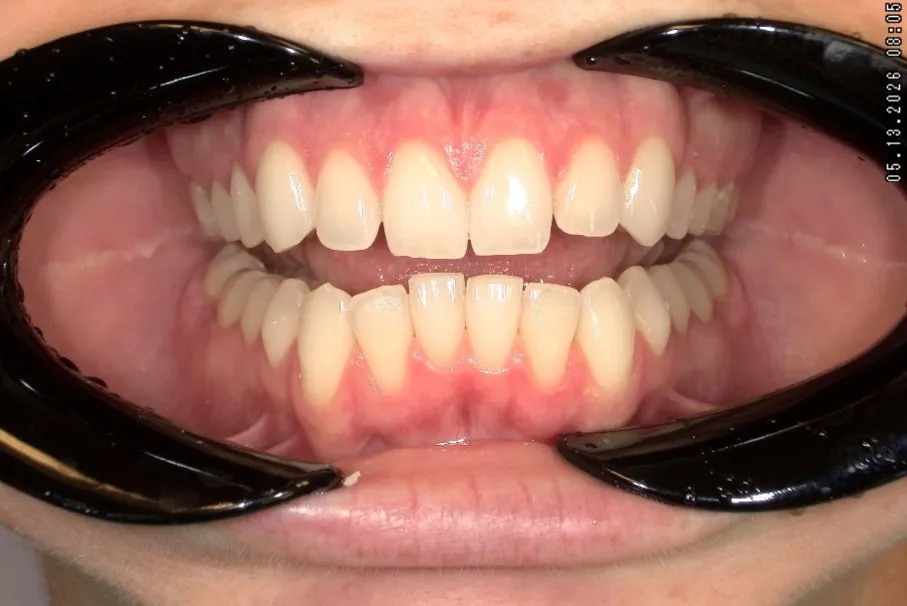
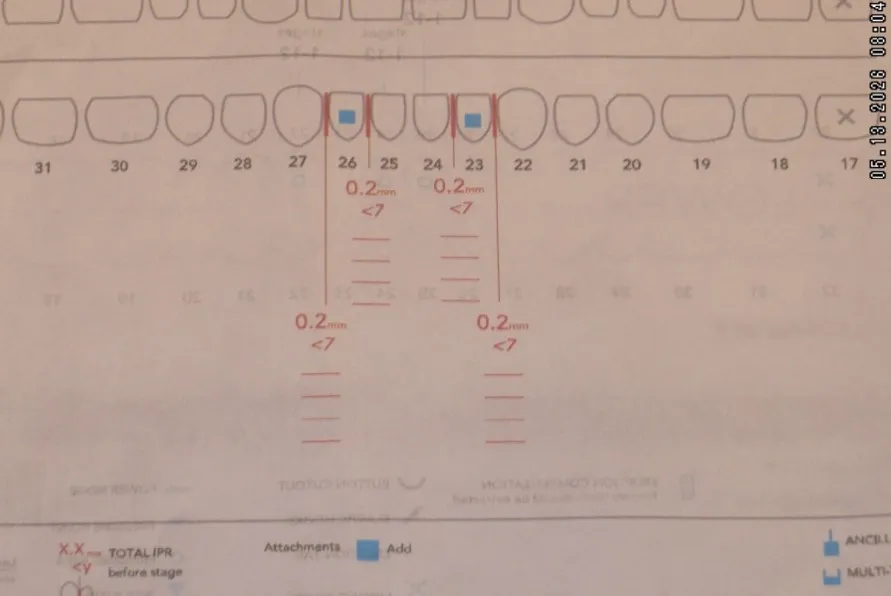
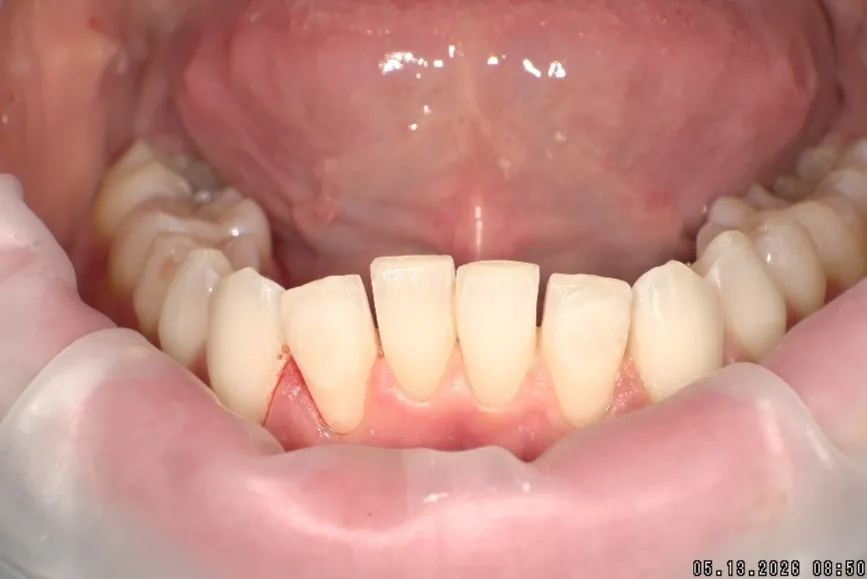
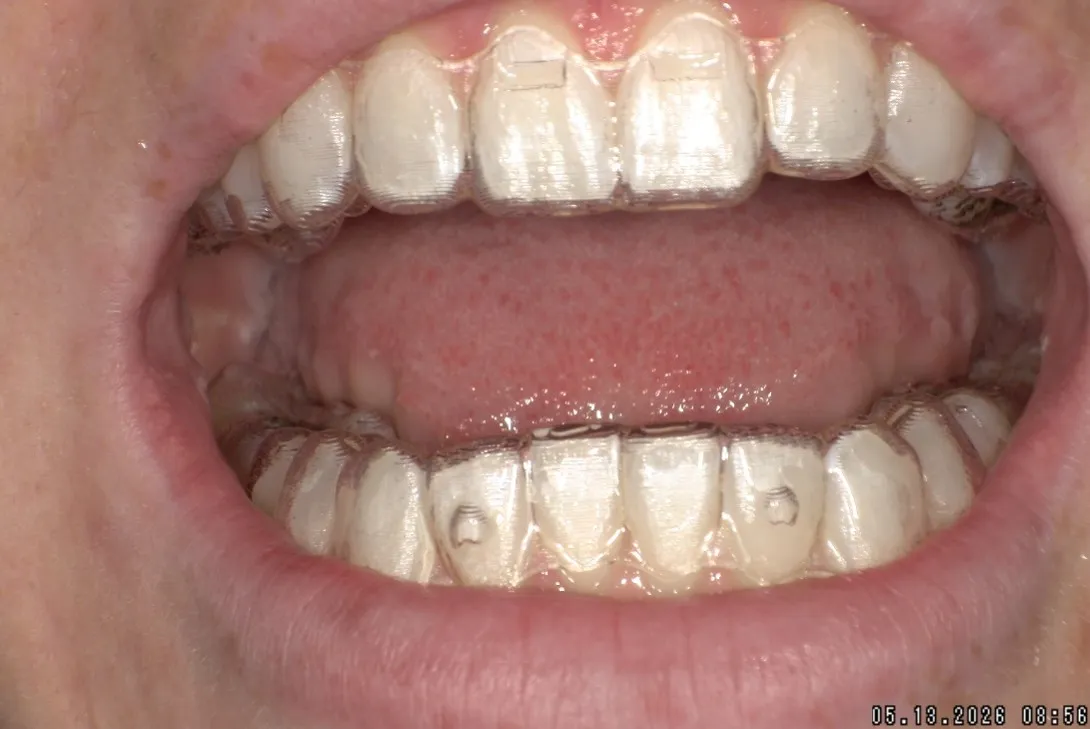
The Two IPR Techniques
1: Manual IPR with Abrasive Strips
Manual interproximal reduction is performed using abrasive strips that pass through the contact area to gradually reduce enamel.
Learn more about abrasive strips
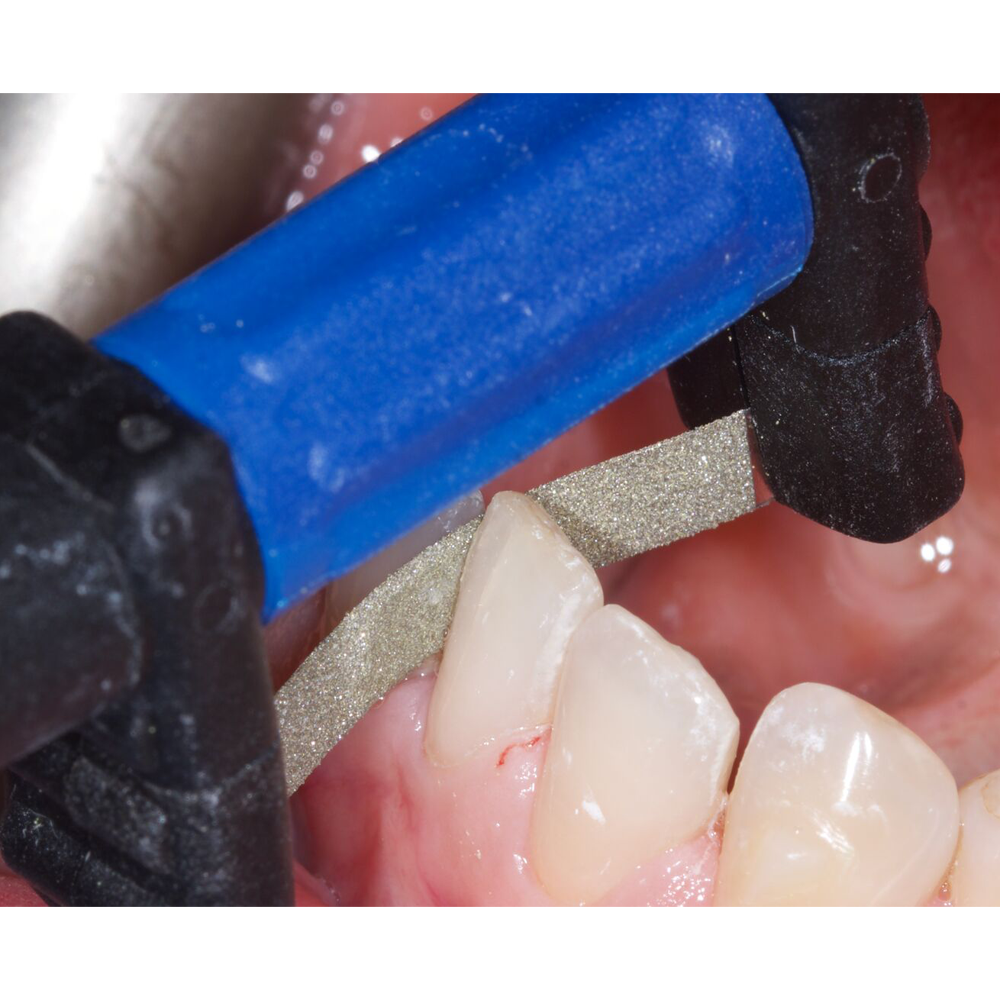
Why Dentists Choose Manual IPR
- Exceptional tactile feedback
- Controlled enamel reduction
- Reduced risk of over-reduction
- Useful for finishing and polishing
- Lower risk of soft tissue injury
Manual IPR is particularly effective when small amounts of enamel reduction are required or when refining contacts after rotary reduction.
Featuring FitStrips™
FitStrips™ are designed for controlled interproximal reduction and finishing. They excel when clinicians need less than 0.30 mm of enamel reduction and want maximum control over the procedure. Within a comprehensive IPR workflow, FitStrips™ are often used after rotary reduction to refine contours and smooth enamel surfaces.
Ideal Uses for FitStrips™
- Fine enamel reduction
- Less than 0.30 mm IPR
- Finishing and contouring
- Polishing interproximal surfaces
- Correcting minor contact discrepancies
Shop FitStrip™ View IPR FitStrip™ Case Studies
Why FitStrip™ vs. Traditional Finishing Strips?
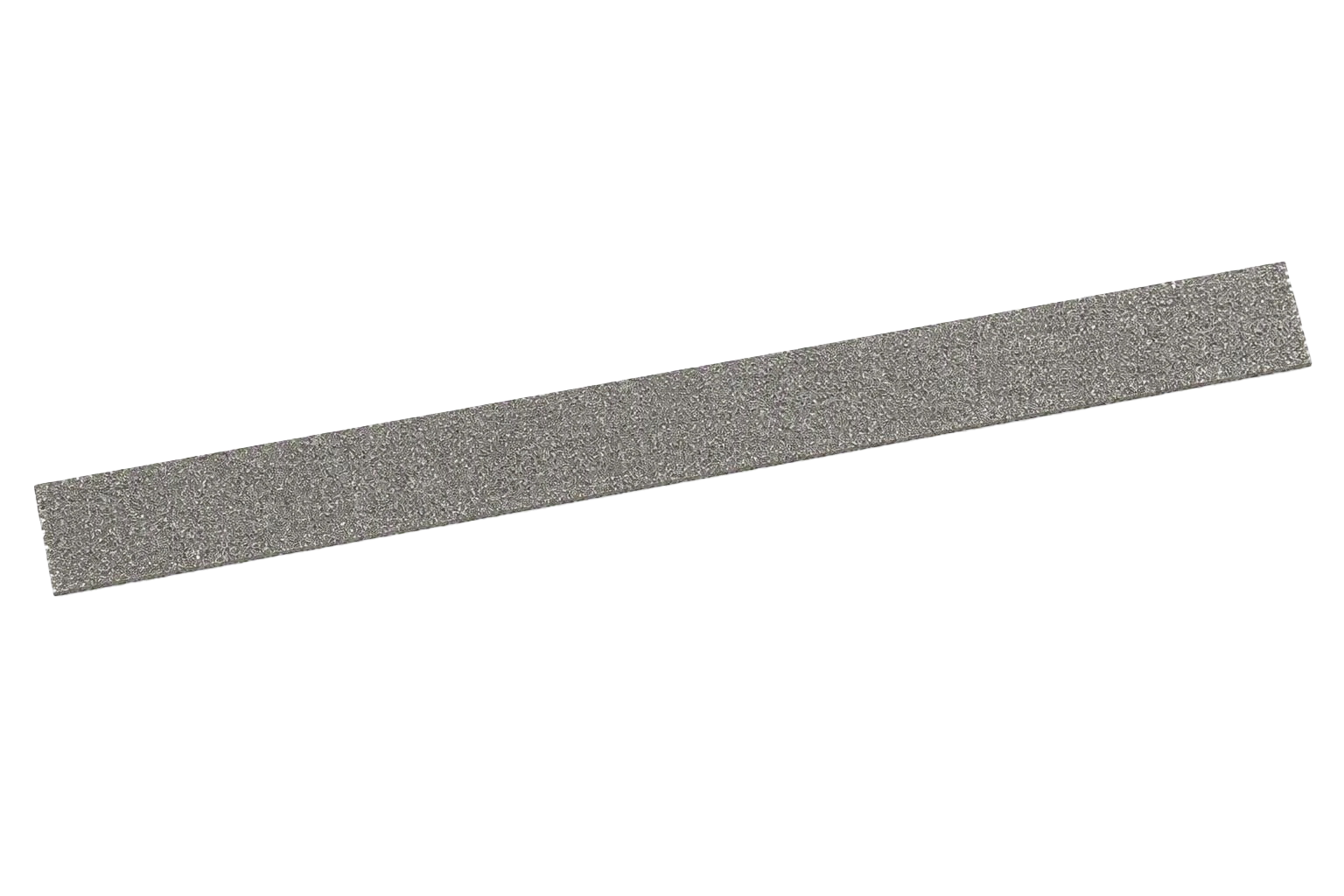
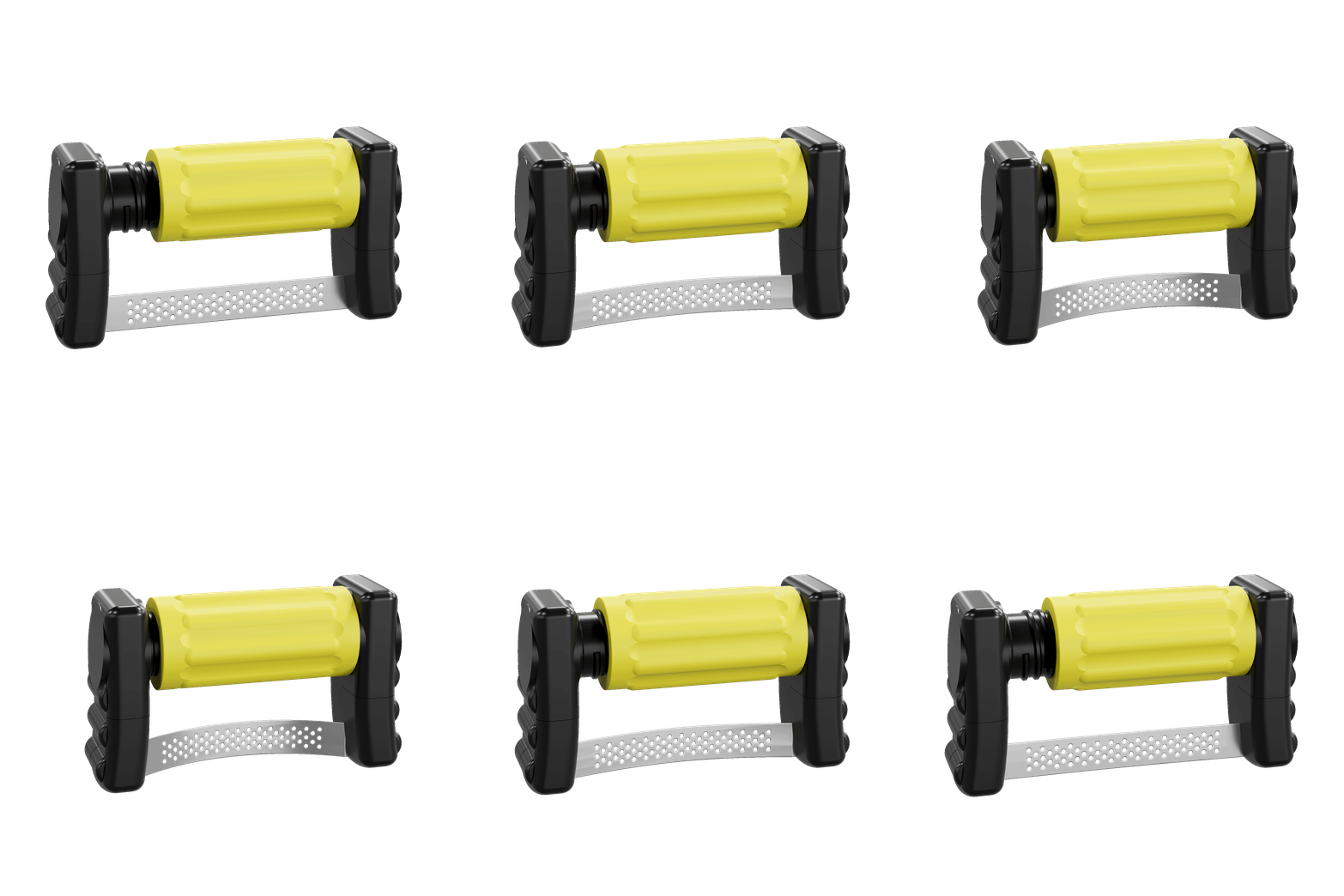
FitStrips™ are designed to make interproximal reduction more efficient and controlled than traditional finishing strips. The integrated handle provides superior ergonomics and clinician control, while the strip can be twisted to better adapt to natural tooth contours for improved access and finishing. In addition, the color-coded system makes it easy to instantly identify grit and thickness chairside, reducing guesswork and streamlining the IPR workflow. The result is a more comfortable, organized, and predictable approach to enamel reduction and finishing.
| Traditional Finishing Strips | FitStrip™ |
|
|
|
|
2: Rotary IPR with Diamond Burs or Discs
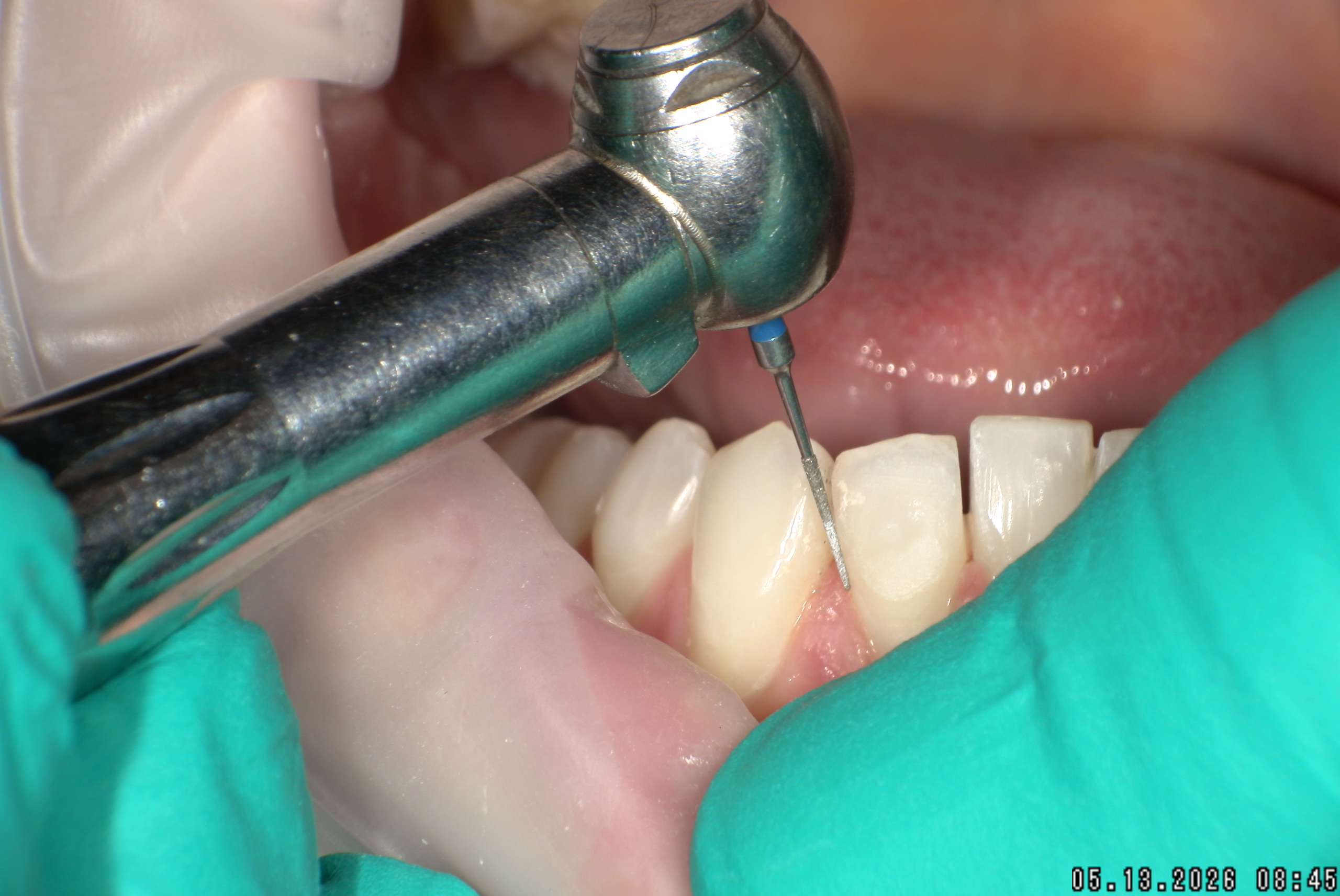
Rotary interproximal reduction uses diamond burs or discs to quickly create space between teeth when greater reduction is required.
Why Dentists Choose Rotary IPR
- Faster than manual stripping
- Efficient for multiple contacts
- Consistent enamel reduction
- Improved productivity for aligner cases
- Comfortable patient experience
Rotary IPR can reduce treatment time significantly compared to manual stripping while providing efficient gross enamel reduction when larger amounts of space are needed.
Featuring ProxiBur™
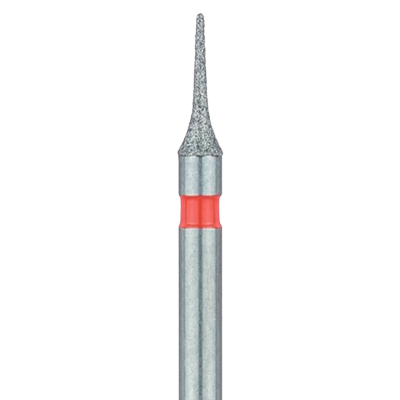
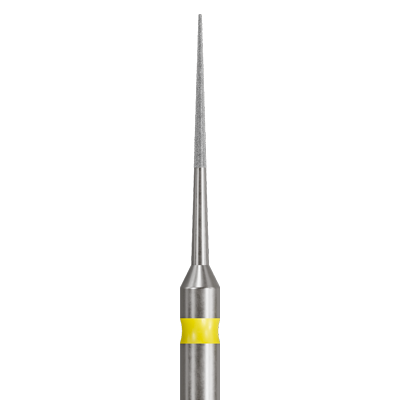
Unlike general-purpose diamond burs, ProxiBur™ IPR burs are specifically designed for interproximal reduction. Their calibrated thicknesses and specialized designs help clinicians achieve more predictable enamel reduction while maintaining workflow efficiency.
Key benefits include:
- Thin profiles designed specifically for IPR
- Calibrated working thicknesses
- Multiple shapes for different clinical situations
- Designed for efficient gross enamel reduction
- Complements FitStrips rather than replacing them
Shop ProxiBur™ View ProxiBur™ IPR Bur Case Studies
Why ProxiBur™ vs. Traditional Diamond Burs?
Unlike general-purpose diamond burs that were adapted for interproximal reduction, ProxiBur™ burs were designed specifically for IPR. Calibrated thicknesses, specialized geometries, and some tapered designs help clinicians perform more predictable enamel reduction while improving access and control in interproximal spaces. Their ultra-thin profiles make them well-suited for IPR procedures, while the organized system of shapes, thicknesses, and grit options simplifies instrument selection and helps create a more efficient workflow for clear aligner and orthodontic cases. ProxiBur™ burs are designed to provide faster gross enamel reduction than manual strips while offering greater control and predictability than traditional diamond burs.
| Traditional Diamond Bur | Garrison ProxiBur™ IPR Bur PRXR02S |
|
|
|
|
The Recommended Hybrid IPR Workflow
Most clinicians do not rely exclusively on strips or burs. Instead, they combine both techniques to maximize efficiency and control.
Step 1: Open the Contact
Use a contact-opening strip, like FPSSAW, or tip of ProxiBur IPR burs PRXR02S or PRXR03S shapes to gain access to the interproximal space.
Step 2: Perform Gross Enamel Reduction
Use ProxiBur™ rotary IPR burs when larger reductions are needed, especially cases requiring approximately 0.30 mm or more of enamel reduction.
Step 3: Refine and Finish
Use FitStrips™ abrasive strips to fine-tune contacts, smooth enamel surfaces, and achieve controlled final reduction (less than 0.30 mm of enamel reduction).
Why Garrison for Interproximal Reduction?
Garrison provides clinicians with a complete IPR ecosystem rather than a single product.
Complete IPR Portfolio
Whether your case requires controlled finishing, significant space creation, or both, Garrison offers the instruments needed to support modern clear aligner and restorative workflows.
Frequently Asked Questions
Q: When should I use IPR strips instead of IPR burs?
A: Manual abrasive strips are ideal for less than 0.30 mm of reduction, finishing, smoothing, and situations where maximum control is required.
Q: When should I use IPR burs instead of strips?
Rotary IPR burs are ideal when approximately 0.30 mm or more of reduction is planned and efficiency is important.
Q: Do most dentists use strips or burs?
A: Many clinicians use a hybrid workflow, combining rotary instruments for efficient space creation with abrasive strips for finishing and refinement.
Q: Can I use both ProxiBur™ and FitStrips™ together?
A: Yes. Garrison specifically designed ProxiBurs™ and FitStrip™ as complementary products to enhance the efficiency, accuracy and clinical outcomes with IPR workflows.