
The Most Complete Sectional Matrix System Portfolio in Dentistry
Each generation of Garrison sectional matrix systems incorporates refinements intended to improve clinical efficiency, adaptation, contour formation, contact quality, and overall restorative predictability.
Evolution of the Modern Sectional Matrix System
| Sectional Matrix System | Ring Innovations | Band Innovations | Wedge Innovations |
|
|
| |
|
| WedgeWands
| |
|
|
| |
|
|
| |
|
|
| |
|
|
| |
|
|
|
A tradition of continuous improvement
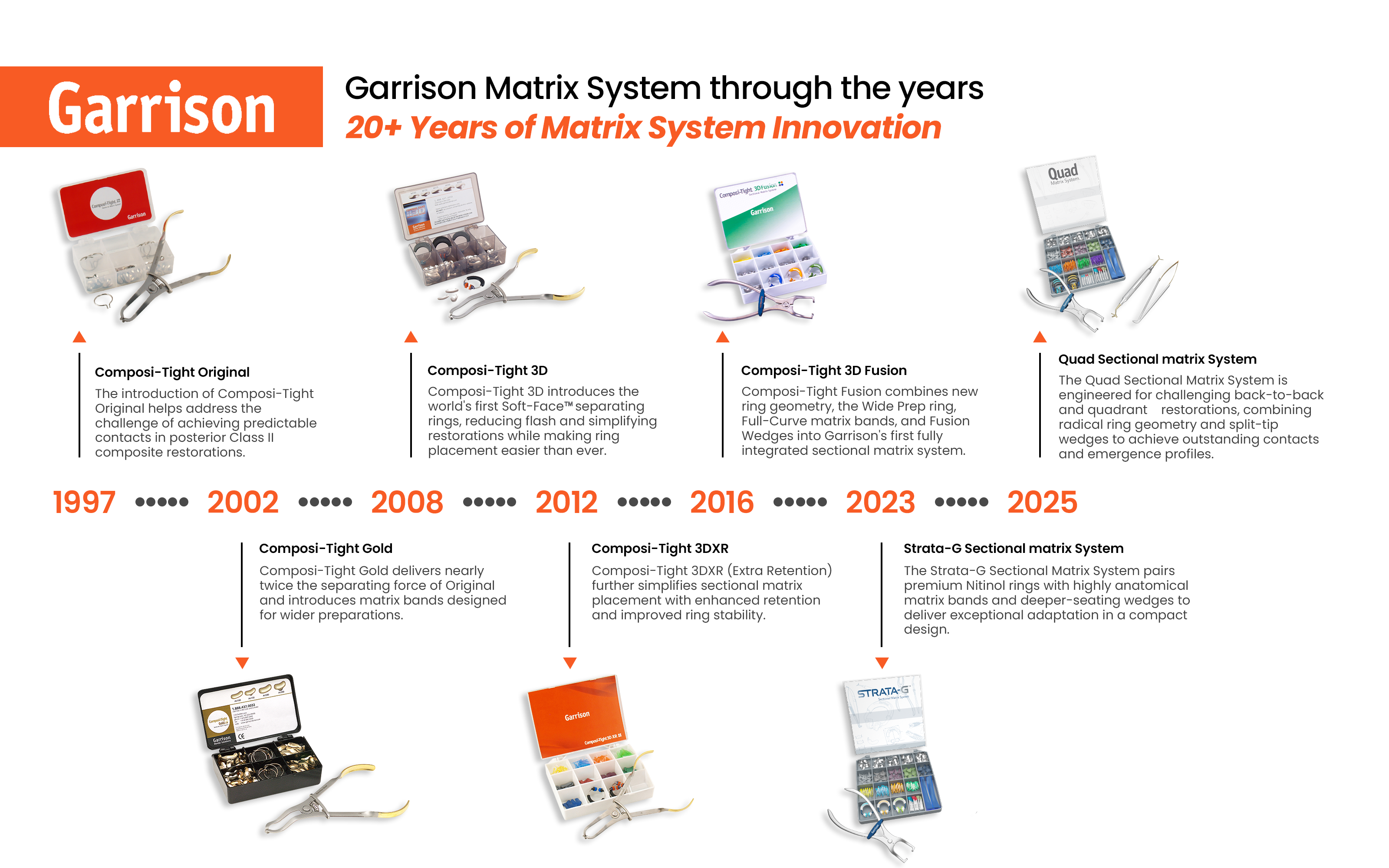
The following timeline highlights the key innovations that shaped each generation of Garrison Sectional Matrix Systems.
The Origins of Composi-Tight

In the mid-1990's posterior composites had come a long way. Composite material was significantly more durable and bonding systems had become more predictable with less sensitivity, but obtaining tight, anatomically accurate contacts was still a frustrating hit-or-miss proposition.
The father and son dentist team of Edgar and John Garrison were in the process of becoming an amalgam free office but were stuck with the same problem facing everyone at the time. Until they decided to do something about it. They brought in an engineer that was a friend of the family and literally started jotting ideas down on the back of a napkin.
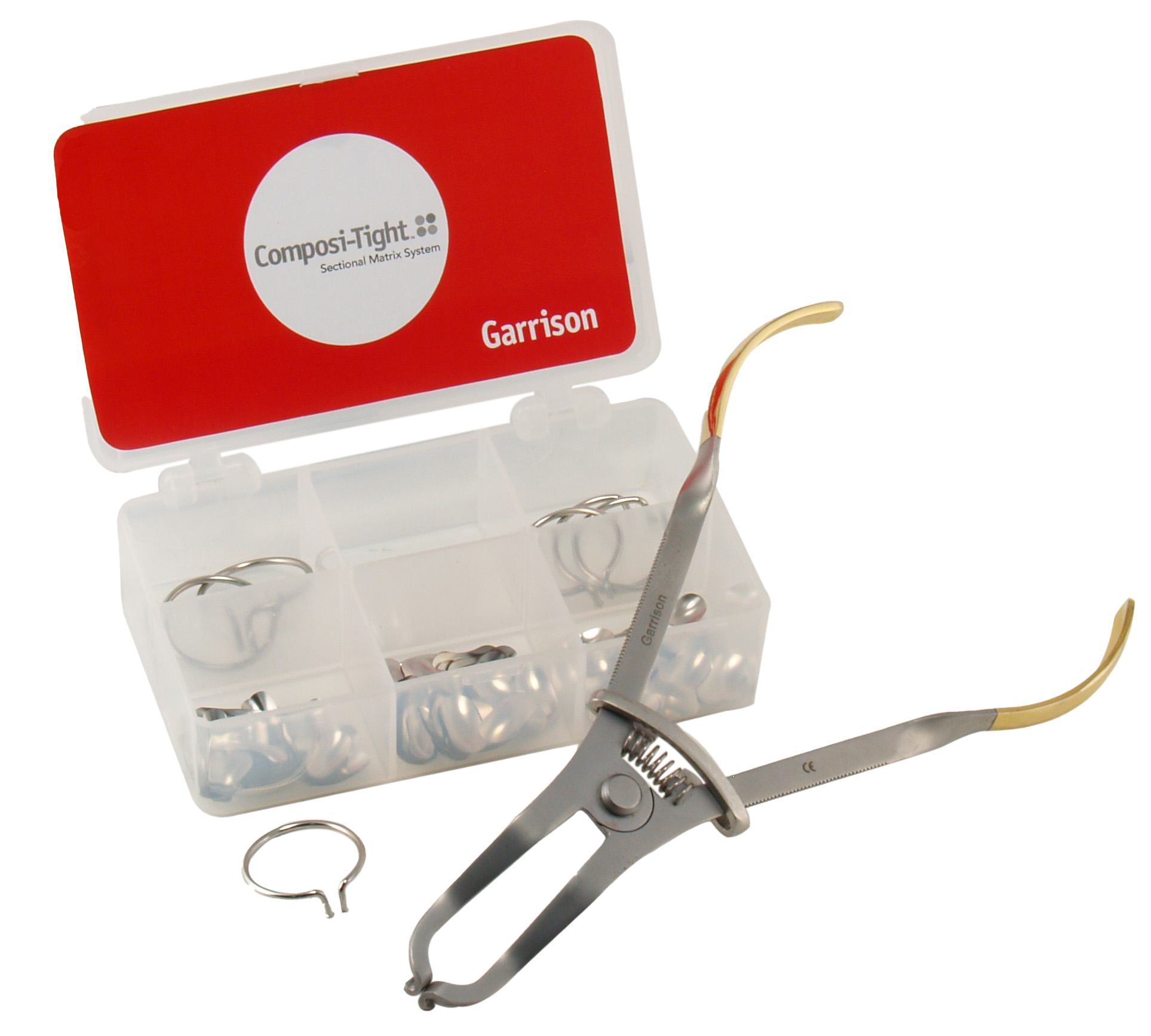
The original Composi-Tight Sectional Matrix System solved the problem through patented convergent tines with a special gripping burnish on the tip and ultra-thin dead-soft matrix bands. For the first time, clinicians could consistently achieve tight, anatomically accurate Class II contacts.
Composi-Tight Original arrived at exactly the right moment. For thousands of clinicians making the transition from amalgam to composite, predictable tight contacts were finally achievable. 1997 was the year and Garrison was instantly known as the tight contact company.
Expanding the System
Garrison's business model at that time was 100% focused in the United States as a direct to the dentist company. That meant that we were talking directly with thousands of clinicians from the moment the system hit the market. This creates a wonderful opportunity to learn how a product performs and gather data on how to make it even better. From that invaluable feedback, several themes emerged:
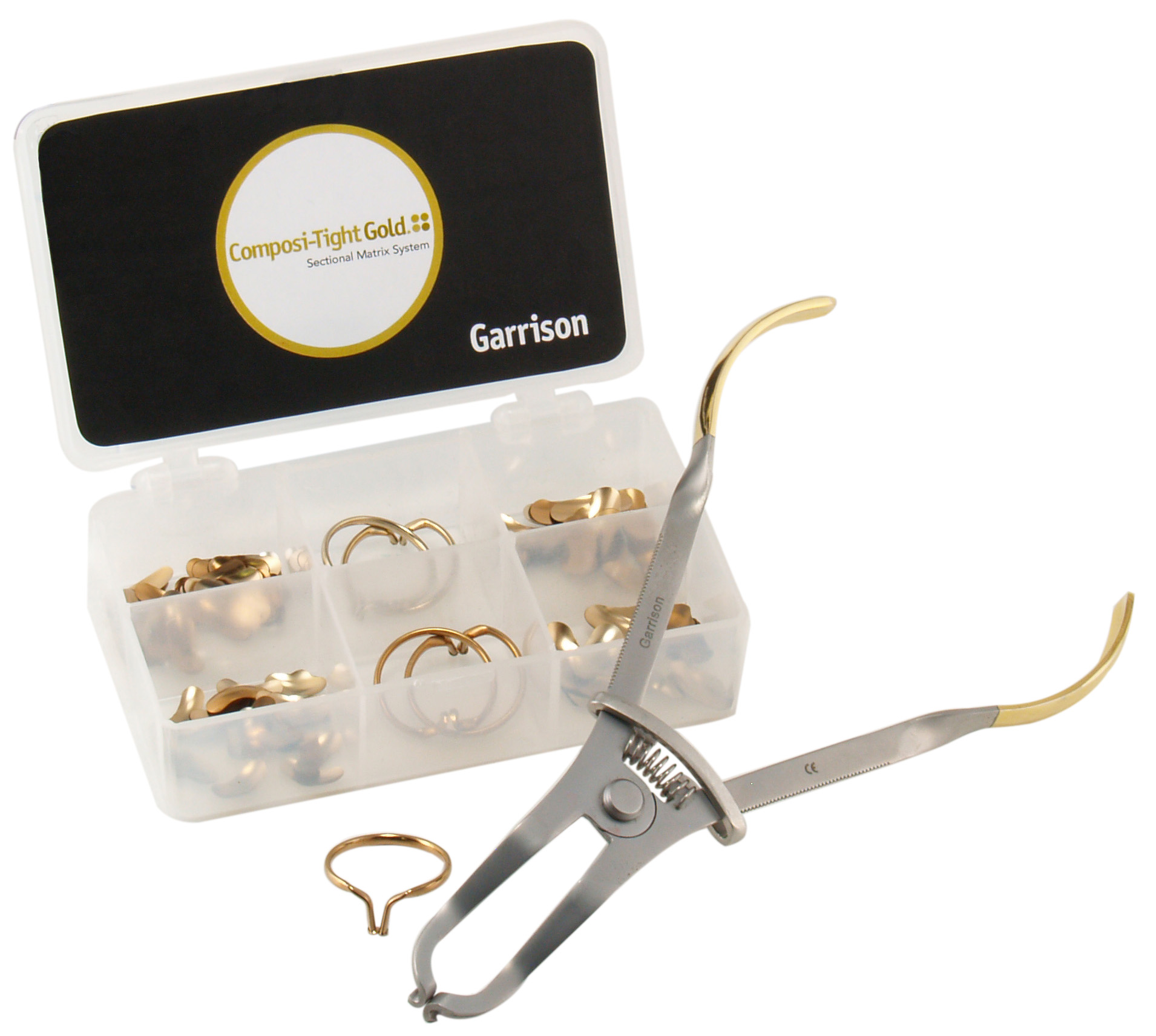
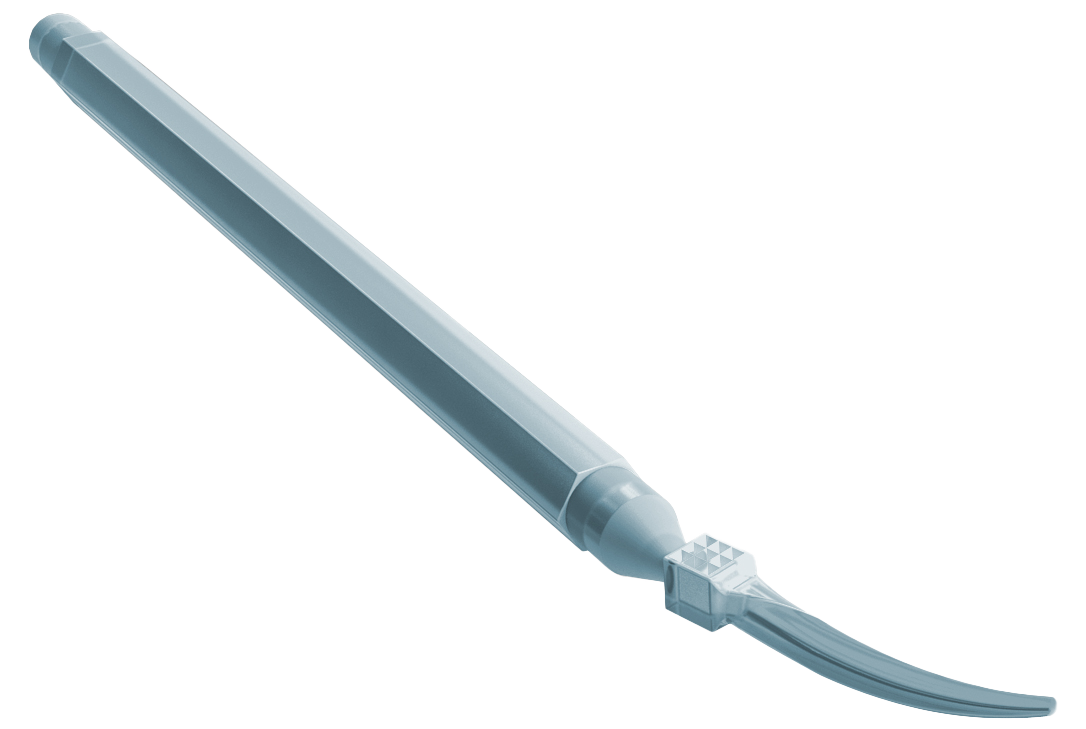
Customers wanted stronger separating pressure from the rings, wide ring tips to help with wider embrasures, longer matrix bands to fit larger preparations and wedges that were more anatomically shaped then wood wedges while being more gentle to the papilla. Enter Composi-Tight Gold and WedgeWands. The unique oval cross section of the wire is optimized to increase strength while managing the tendency of wire rings to stretch out. A clever twist of the oval wire brings it down between the teeth with the wider portion of the tip in position to help with wide embrasures. A new set of dies for longer bands and gentle shapes built into WedgeWands and you have an entirely new system.
"Hey! What about us?" asked clinicians
who loved the original G-Rings but wanted the stronger separation force of Gold rings. This is why Composi-Tight Silver Plus was created. That was a difficult problem for the engineers – thin metal tines but stronger tooth separation. It took another first-of-its-kind development: Metal rings with a plastic reinforcement. Customers liked the longer Gold bands but wanted an 'in-between' size. That one wasn't too much of a challenge so we created the M175 size which is just right for so many teeth. And, because we were listening carefully, we took the handles off the WedgeWands for those that loved the wedge but not the handle and the G-Wedge was born.
The Introduction of Composi-Tight 3D
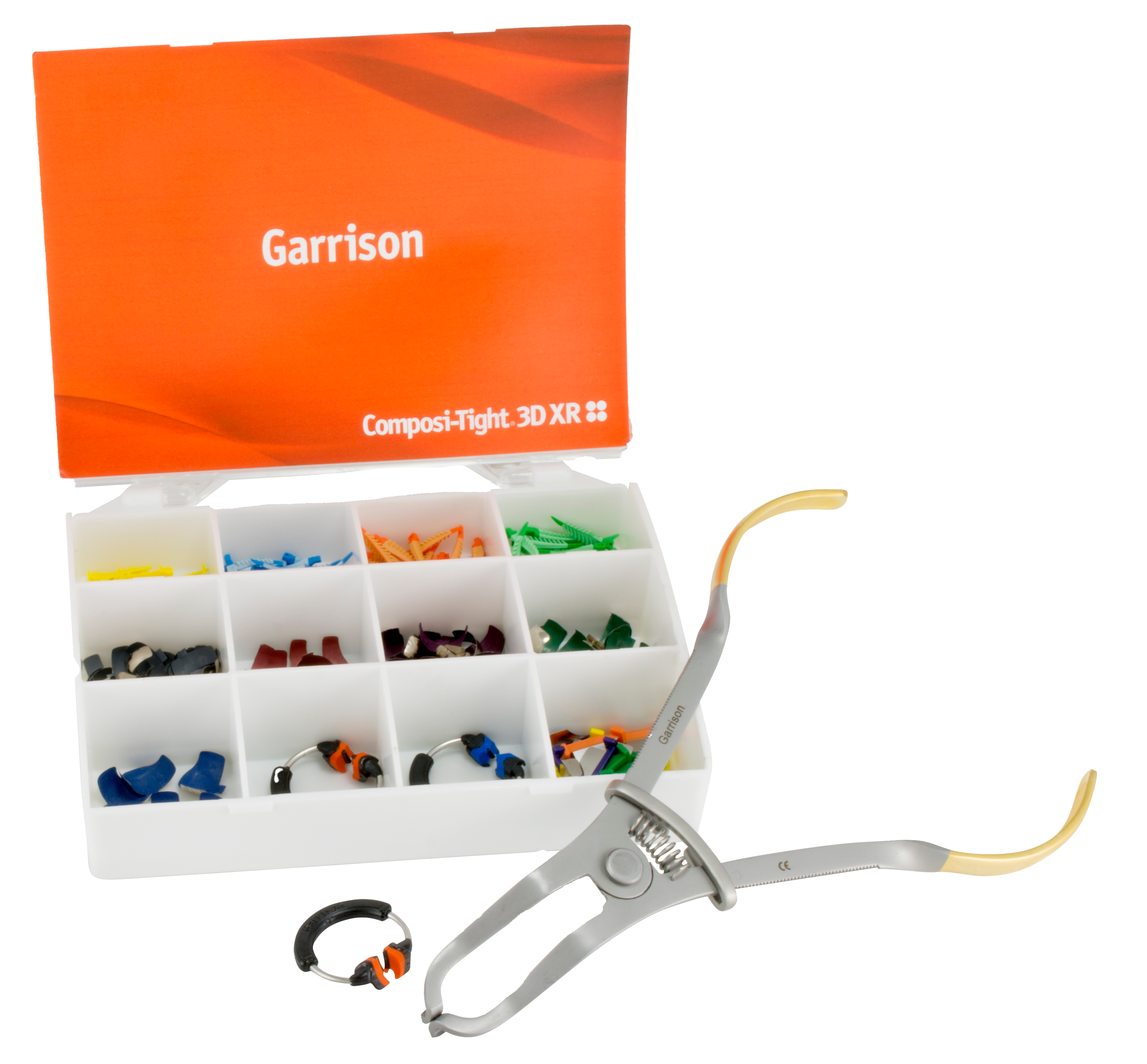
As the user base around the world rapidly grew and feedback continued to ramp up, there were a couple of messages that were strong reoccurring themes. Getting a good contact was no longer the big challenge, users now wanted better flash control, matrix bands that were easier to remove, and a system that was, well frankly, easier to use. On the surface some of the solutions seem pretty obvious the reality of engineering a solution that was both able to be manufactured at scale as well as cost effective is something else entirely.
Flash control = make the rings better adapt the matrix bands to the teeth. Easy right?
Matrix bands that are easier to remove in spite of bonding agents and tight contacts = non-stick coating. No problem.
A system that is ‘easier to use’ = How do you define ‘easier to use’ into actionable improvements?
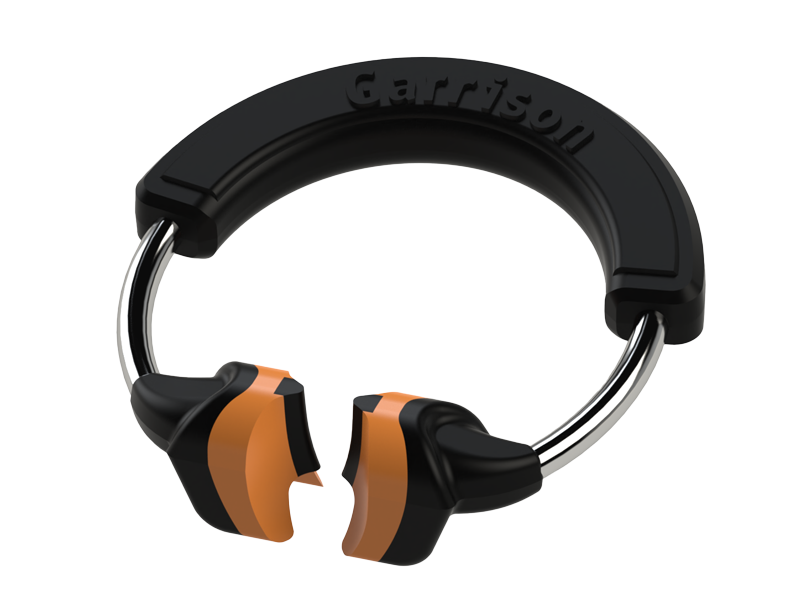
The number of prototypes and amount of testing required to come up with the components the eventually became the Composi-Tight 3D Sectional Matric System are staggering. Years of work, multiple patents for the innovations and massive investment into custom machinery to manufacture everything made 3D a huge leap in performance. Soft-Face ring tips that hug the bands to the teeth, non-stick color-coded matrix bands, and a brilliant over-the-wedge designed for significantly easier ring placement was an instant and huge success.
Advancements in Retention and Placement
You would never say, ‘Well, that looks good enough.’ to a patient and we’ll never say that to our users. This might seem a little redundant, but user feedback drives us – perhaps a better way to say that is: Your clinical experiences drive innovation.
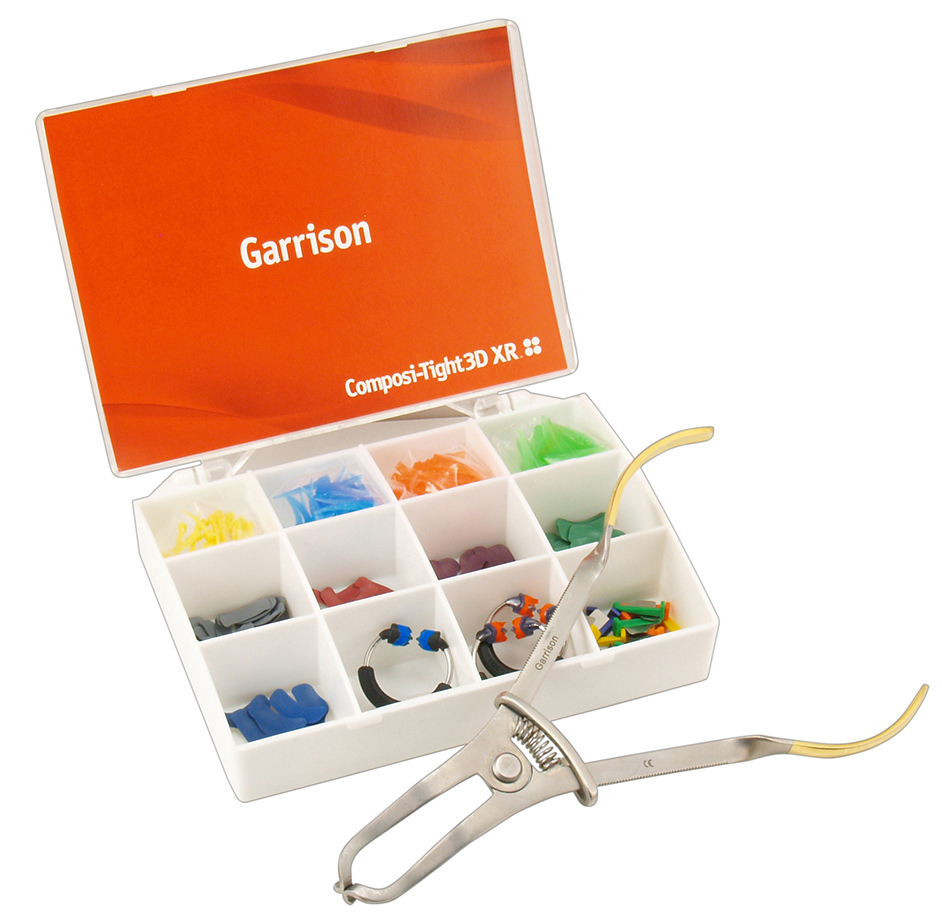
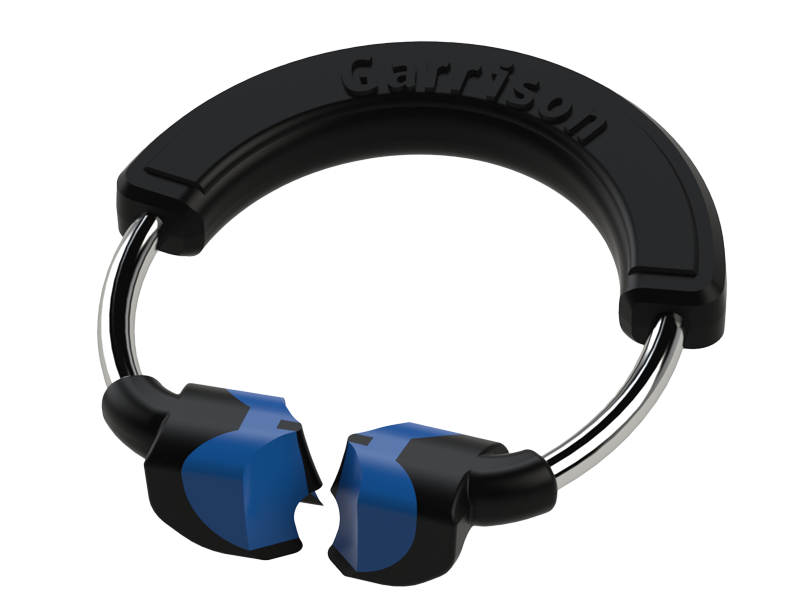
Clinical feedback identified opportunities to improve ring retention and matrix band placement. Composi-Tight 3DXR introduced retention extensions on the Soft-Face ring tips to reduce ring pop-off during placement and restoration. Matrix bands were also updated with placement ears to provide a designated gripping location and help minimize marginal ridge distortion during placement.
Addressing More Complex Restorations
Comments such as:
- ‘3DXR is great. Where I’m still struggling is on really wide preps.’
- ‘These rings are so stiff now I can’t open them far enough for big molars.’
- ‘Your wedges work well – most of the time, but I still have them back out sometimes and root concavities are very difficult to seal with them.’
- ‘I keep crushing or dislodging the band when I put the ring on. Help!’
These observations led to a comprehensive redesign of the system, resulting in the development of the Fusion platform.
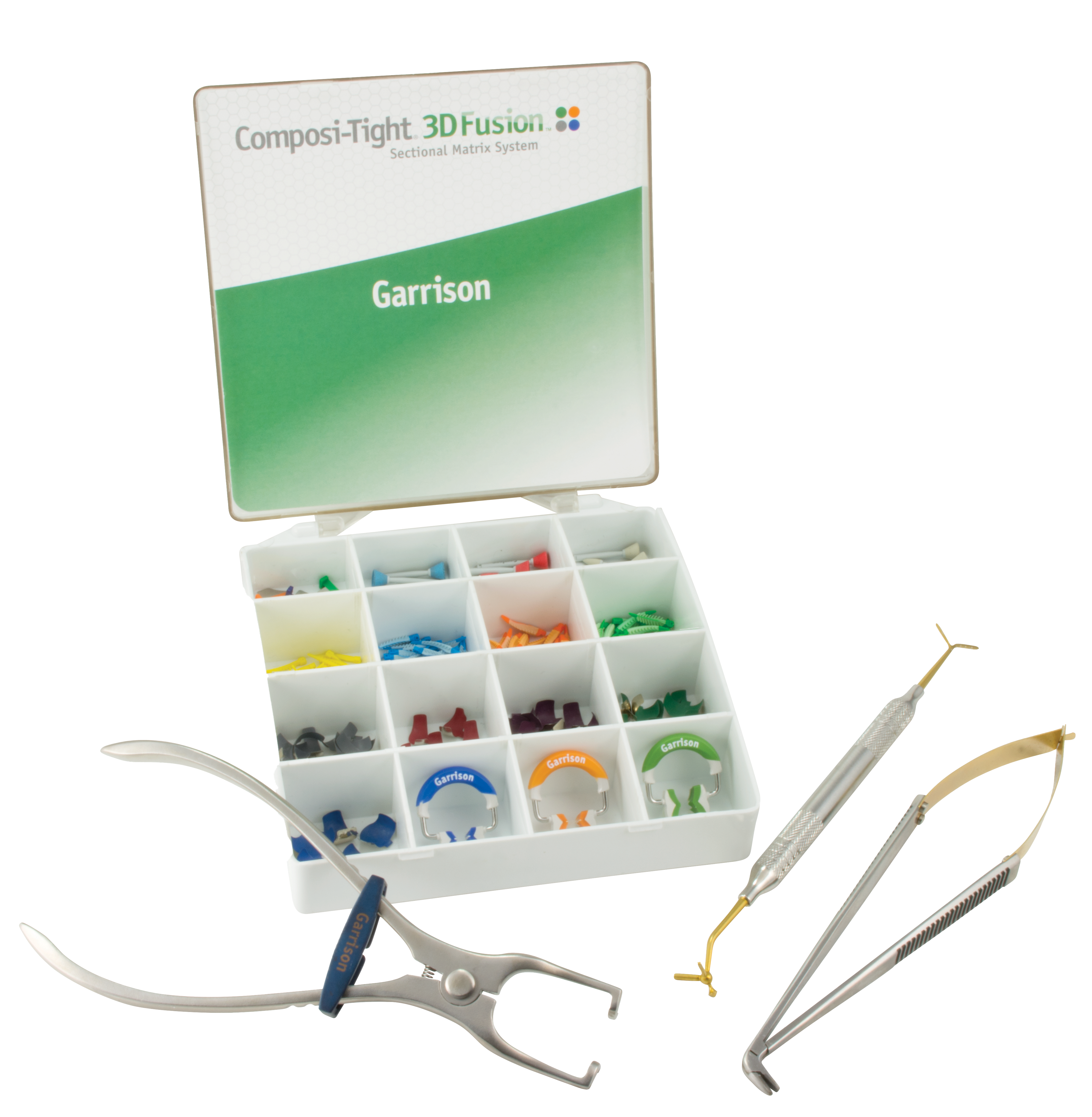
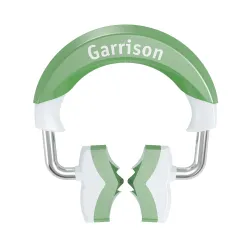
A new horseshoe ring shape reduces the amount of hand strength needed to open the rings while producing the same tooth separation. We added a completely redesigned ring placement forceps that fits smaller hands and further reduces required hand strength.
The world’s first dedicated Wide Prep ring greatly expanded the number of restorations that could be completed with a sectional matrix system.
Fusion Full-Curve matrix bands wrap much tighter and out of the way against the teeth. A simple improvement that truly reduces frustration when placing rings.
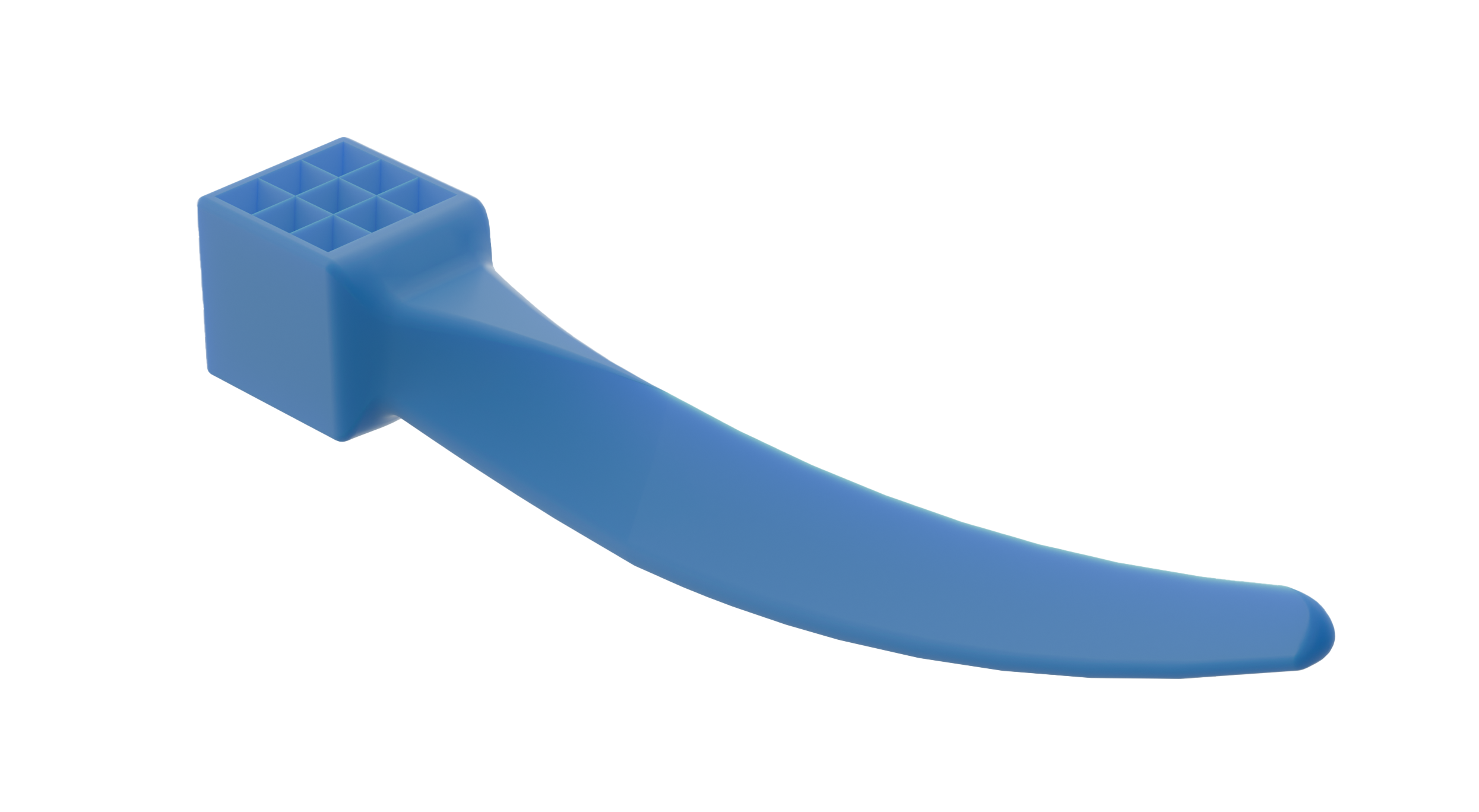
And the Fusion Wedge. These were a radical departure from all previous dental wedges with their two-part construction combining a firm
inner core and a soft outer shell. Soft, flexible fins readily adapt to interproximal irregularities and prevent wedge back-out. Fusion Wedges immediately overtook all other Garrison wedges and remain our most popular to this day.
Fusion quickly became one of the most widely adopted sectional matrix systems in restorative dentistry.
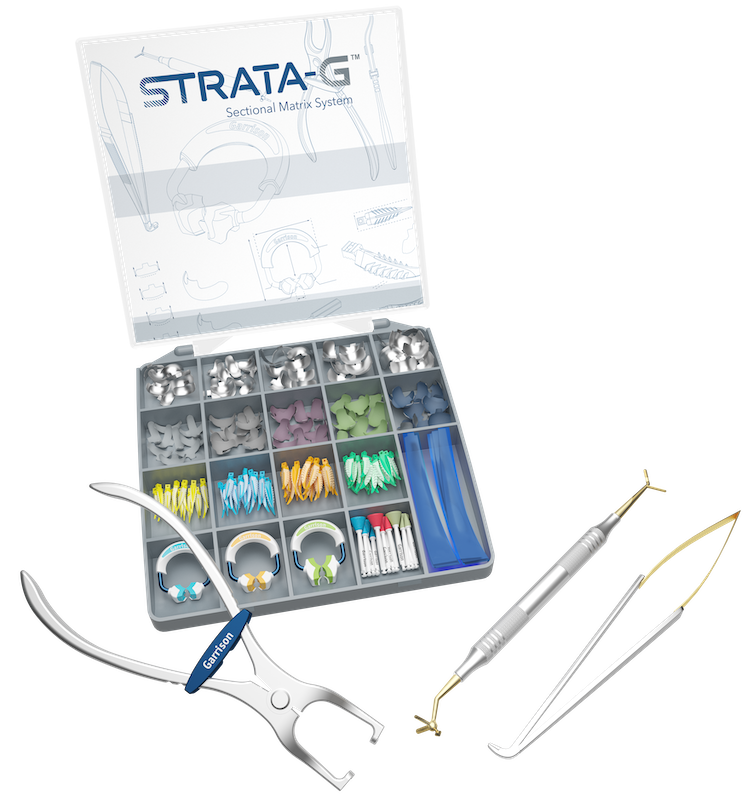
There is a long gap between the introduction of Fusion and the next set of enhancements that became the Strata-G Sectional Matrix System. Organic feedback and extensive user surveys gave us the clues for another set of changes. Some were improvement opportunities and some allowed for different uses cases.
Could the separator rings be smaller to allow more room in the mouth? Can you make them last longer? Could you improve the emergence profile of the matrix bands? Some users like to place two wedges – one from the buccal and one from the lingual – can you make them stackable
The Strata-G system delivered. Nitinol nickel titanium wire produced a smaller, longer lasting ring without compromising separating pressure. Strata-G matrix bands are our most anatomically accurate bands and the Strata-G wedges borrowed the Fusion wedge firm core / soft shell materials and combined them with a hollow underside to facilitate stacking.
Development of the Quad System
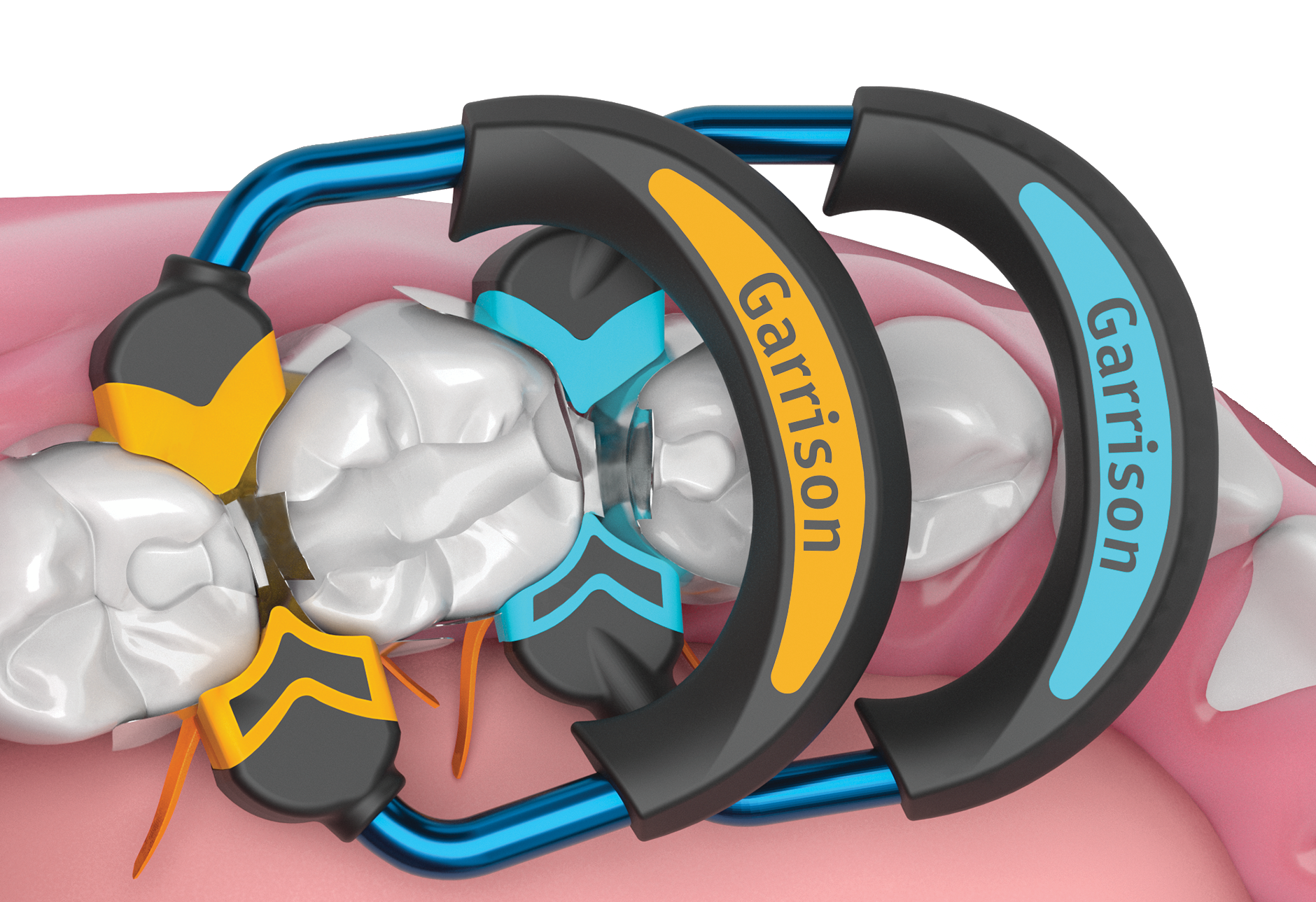
There are casual sectional matrix system users and there are advanced users. The advanced group was looking for solutions to improve efficiency when restoring multiple Class IIs in a quadrant and the always difficult back-to-back Class II. They could get the job done with our existing systems, but with shrinking reimbursements and increasing production pressures the challenge was to make these cases faster without any sacrifice to quality.
This required serious rethinking about how sectional matrix rings, bands, and wedges interact with each other during the restorative process. We partnered with an engineering-minded restorative dentist out of Illinois, Dr. Matthew Burton, who had a clever wedge solution for this exact situation and developed a separator ring to specifical take advantage of his radical split-tipped wedge. The Quad Sectional Matrix System prototypes then went out to 100’s of clinicians for our most extensive field trials ever. Multiple iterations ensued resulting in a matrix system that excels with these toughest cases.
It is now possible to successfully complete multiple tooth and back-to-back restorations in significantly less time without sacrificing quality. Quad’s combination of technique and materials gives users options they never had before.
Continuing Product Development
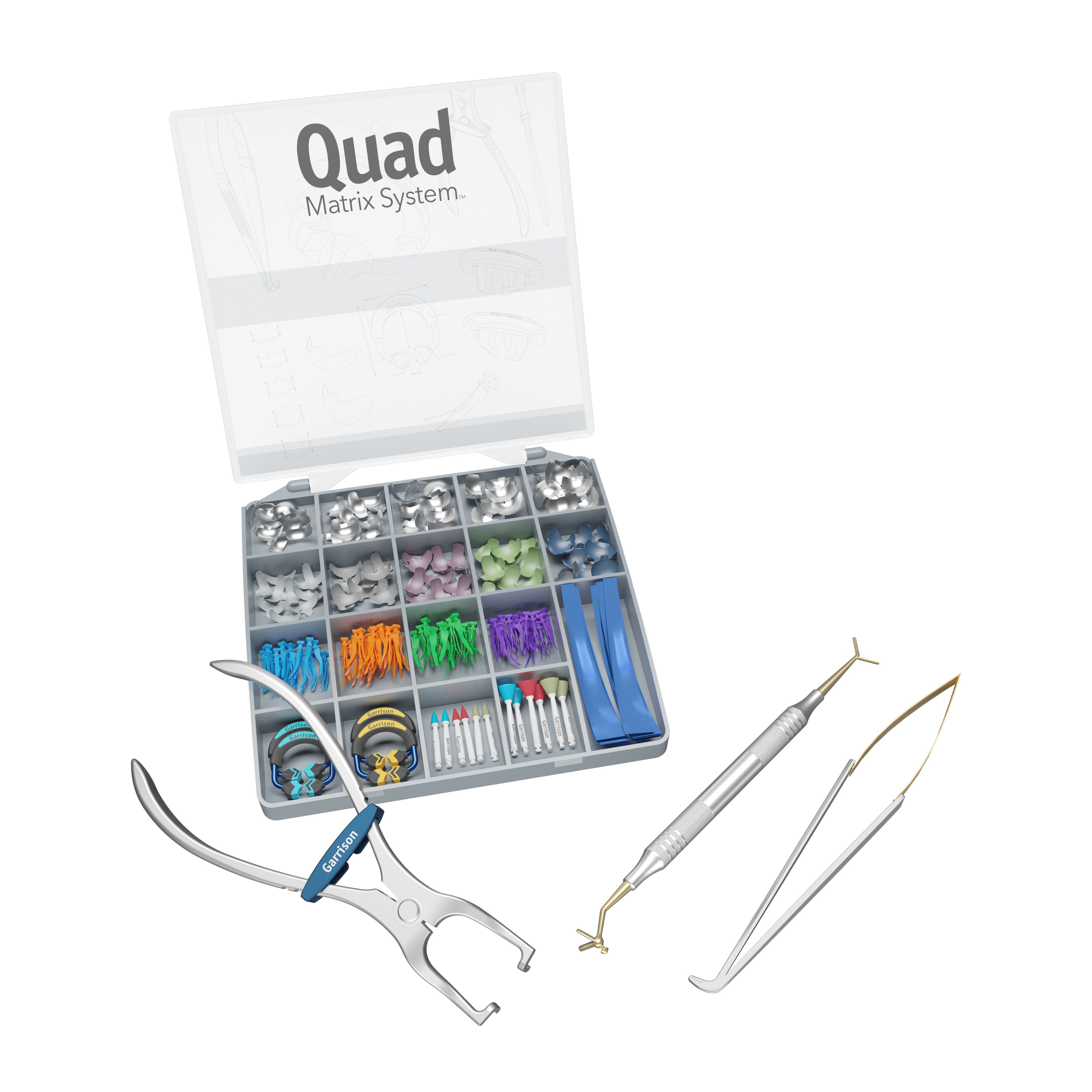
Every Garrison sectional system represents a snapshot in time, a collection of the best ideas, clinician feedback, engineering advances, and manufacturing innovations available when that system was introduced.
Some improvements addressed common frustrations, such as matrix band distortion during placement. Others focused on creating stronger contacts, better emergence profiles, improved gingival seals, or greater longevity. Each generation built upon the lessons learned from millions of restorations performed around the world.
The pursuit of the Perfect Sectional Matrix System is ongoing.
Every system in this story began with clinicians asking for something better.
Since the introduction of the Quad Sectional Matrix System in 2025, clinicians around the world have continued to provide ideas, suggestions, and real-world feedback from their daily restorative procedures.
Some challenges have no practical solution yet. Others lead to promising concepts that ultimately fall short under testing. But every so often, an idea emerges that genuinely improves efficiency, predictability, or clinical outcomes.
When enough of those meaningful improvements come together, a new sectional matrix system is born.
Product development remains an ongoing process. Feedback from clinicians, engineering advancements, and evolving restorative techniques continue to guide the development of future Garrison sectional matrix systems.
Sectional Matrix System FAQs
Q: Which Garrison sectional matrix system is best?
A: The best system depends on your clinical preferences and restorative needs. Quad represents Garrison's most advanced integrated sectional matrix system and incorporates our latest developments in matrix band, wedge, and separator ring technology. Many clinicians choose Quad as their primary system, while others continue to use earlier systems that align with their preferred technique.
Q: What is the difference between a sectional matrix system and a Tofflemire matrix?
A: Sectional matrix systems are designed specifically for direct Class II composite restorations. By using a pre-contoured matrix band, separating ring, and wedge, they help create tighter contacts and more natural proximal anatomy than can typically be achieved with a circumferential matrix. Tofflemire style systems rely on a wedge to create tooth separation. This can interfere with the emergence profile, force the contact point higher and result in a food trap leading to higher incidences of recurrent carries.
Q: Should I upgrade to the newest system?
A: We recommend trying the latest generation system to experience the newest advancements in ring, band, and wedge design. However, upgrading doesn't mean abandoning a system that already works well for you. Many clinicians gradually incorporate new components while evaluating the clinical benefits in their own practice.
Q: Do I have to buy a new kit every time Garrison comes out with a new system?
A: Not necessarily. Many components are compatible across generations of Garrison sectional matrix systems. However, when a new system is developed, the rings, bands, and wedges are often designed to work together as an integrated solution. To experience all of the intended improvements, a complete kit is generally recommended.
Q: Is it ok to mix and match parts from different Garrison systems?
A: Absolutely, while the newest system, Quad, has rings and wedges designed specifically to work together, matrix bands, separator rings, and wedges from earlier Garrison systems can be mixed and matched to suit your needs.
Q: Why do you still make the older Garrison sectional matrix systems?
A: Every Garrison sectional matrix system was designed to solve the clinical challenges of its time. Many clinicians have developed techniques and preferences around systems they know and trust, and we remain committed to supporting them. Newer systems incorporate additional refinements that may improve efficiency, adaptation, contours, or contact formation, but many dentists continue to achieve excellent clinical results with earlier-generation systems.