FREE SHIPPING on orders over $475
FREE SHIPPING on orders over $475 | No Code Needed
A 7-year-old patient presented with proximal carious lesions involving the primary mandibular right first and second molars (teeth 84 and 85). Clinical and radiographic examination confirmed the need for restorative treatment. In response to the parents’ preference for a conservative and esthetic option, direct composite restorations were selected. The treatment plan emphasized preservation of sound tooth structure, strict moisture control, and controlled reconstruction of the proximal walls and contact area.
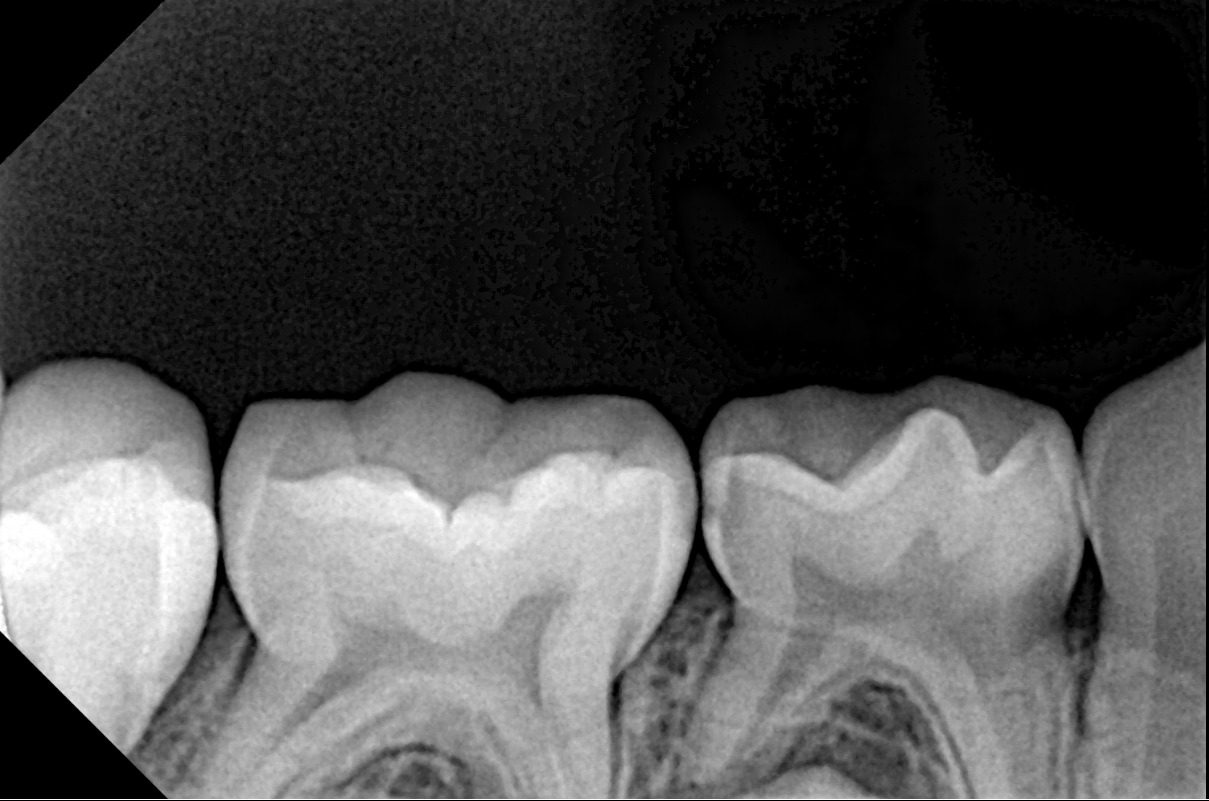
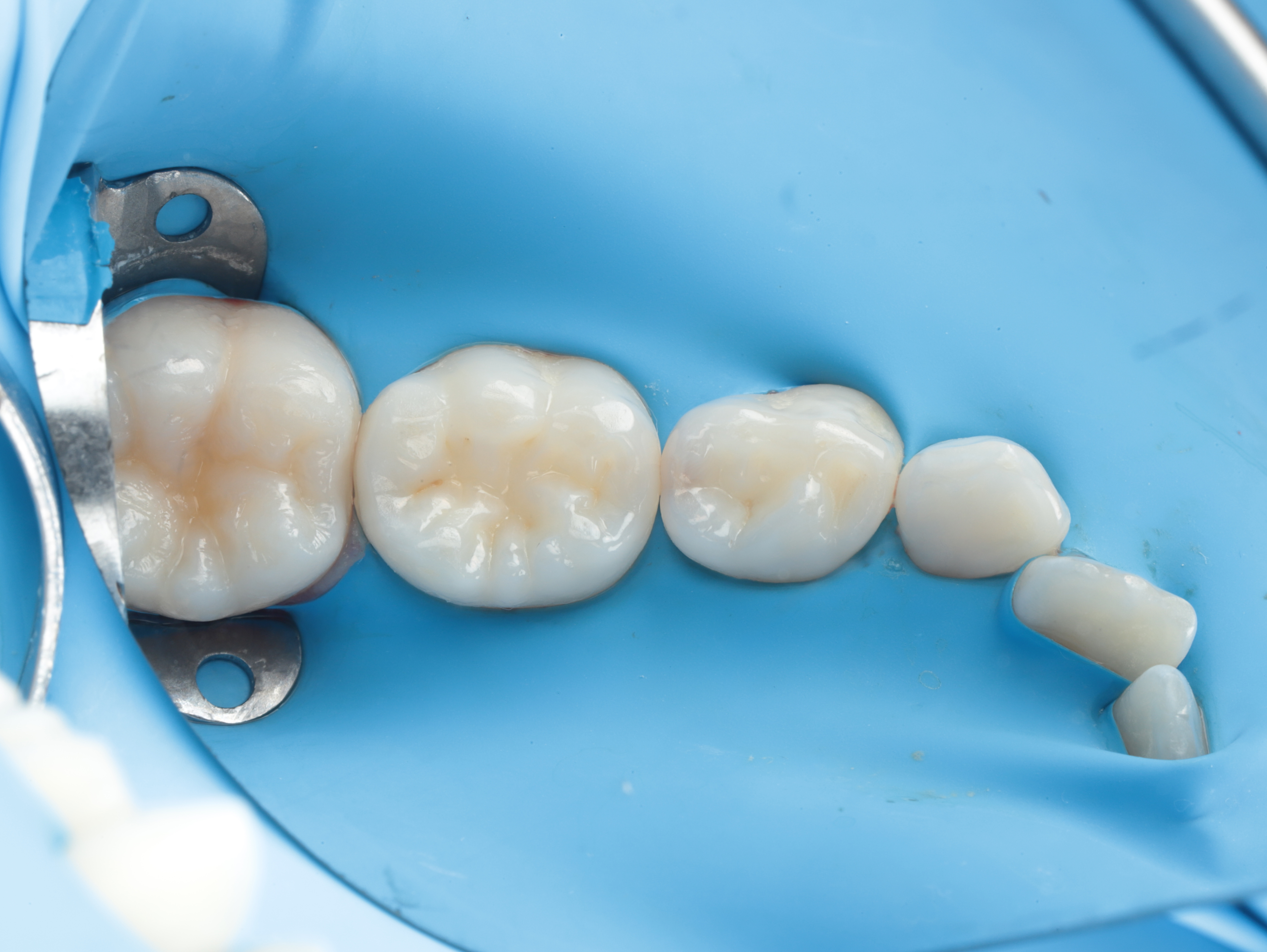
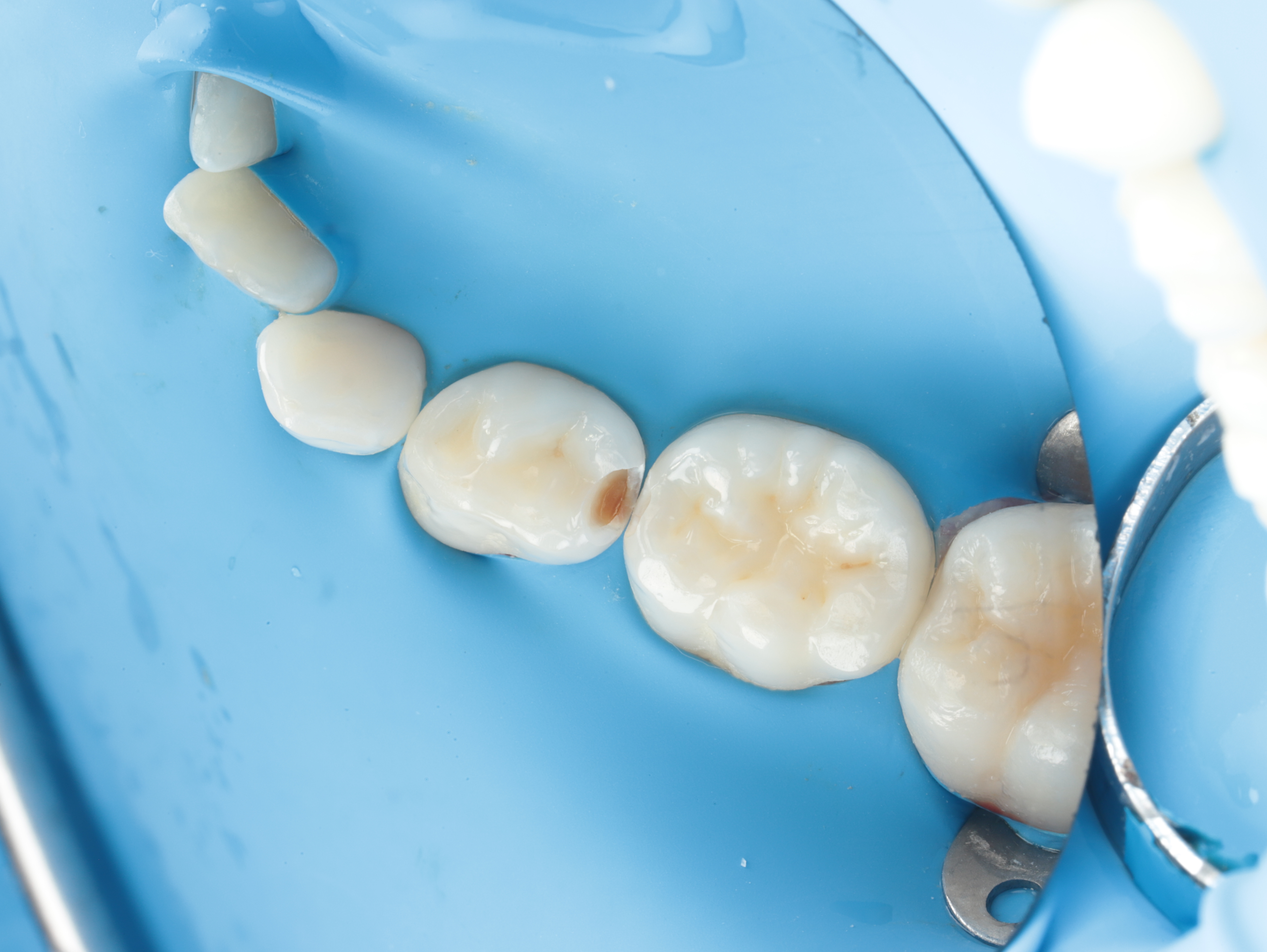
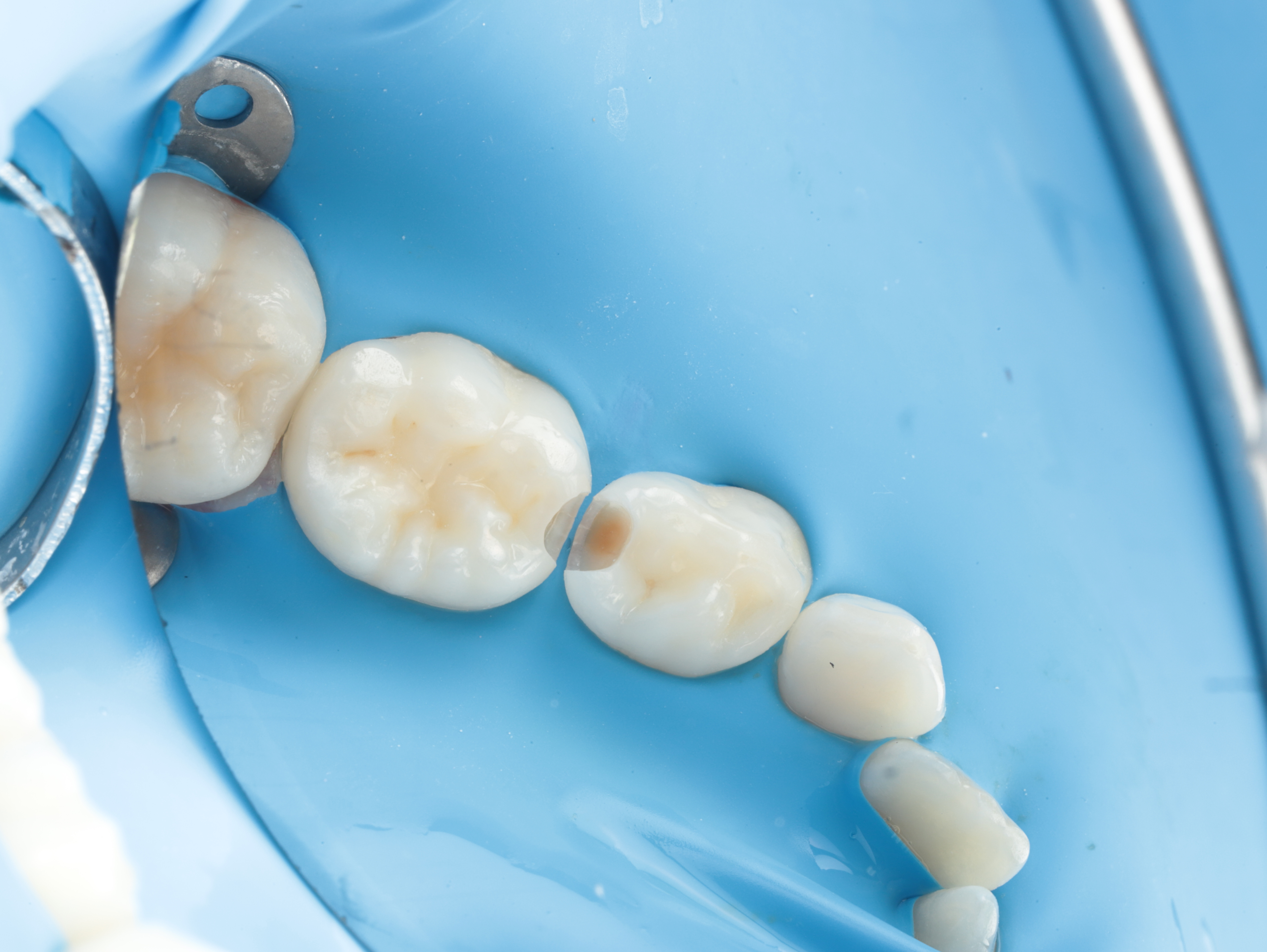
Radiographic assessment localized the proximal lesions involving teeth 84 and 85. The operative field was isolated with a Nic Tone rubber dam. Conservative access was created to reach the lesions while preserving unaffected tooth structure. Carious tissue was selectively removed, and the cavity geometry was refined for the direct restorative procedure.
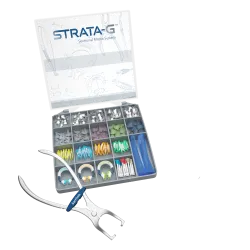
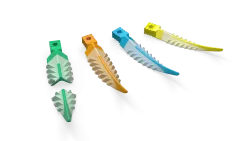
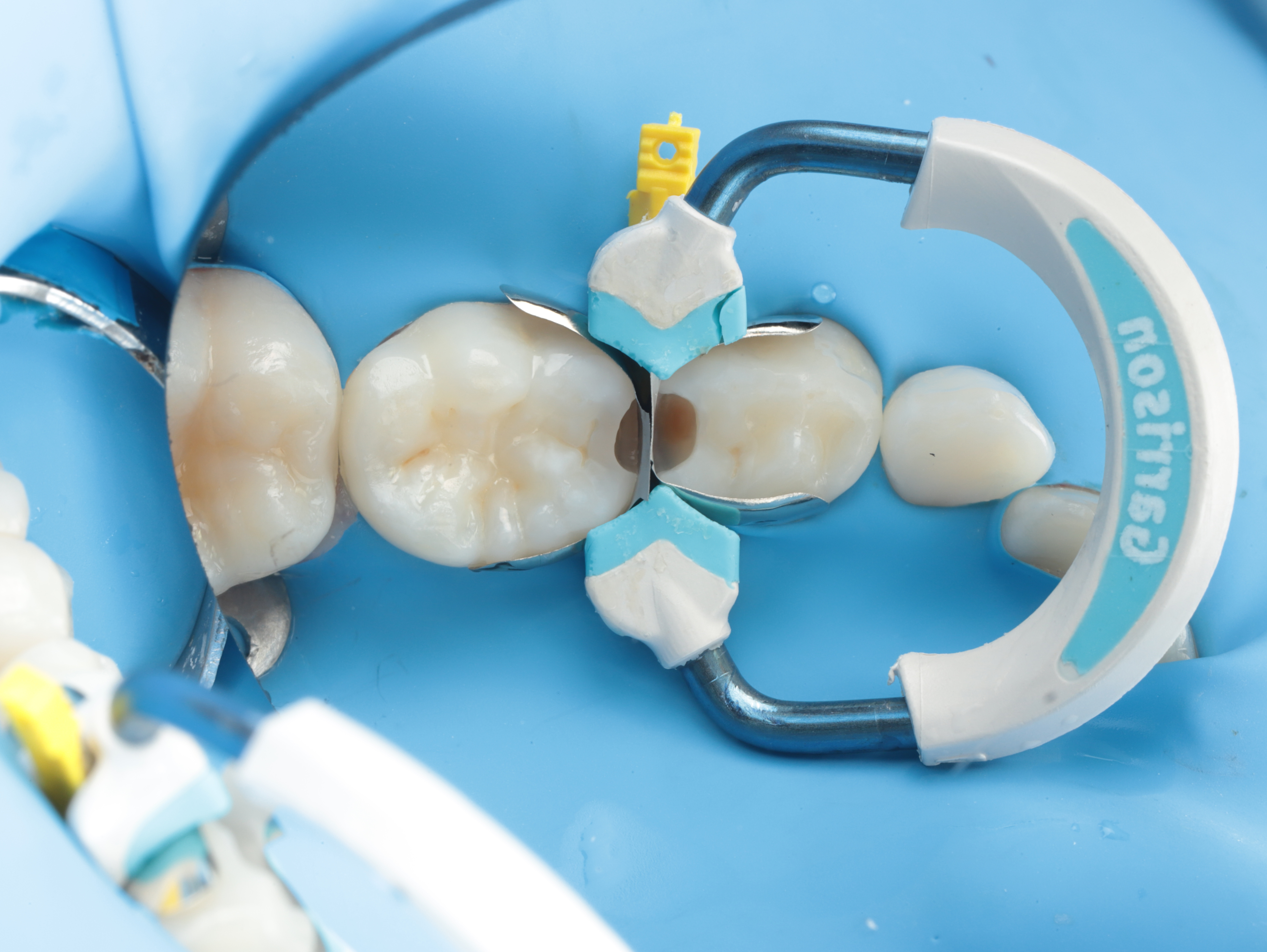
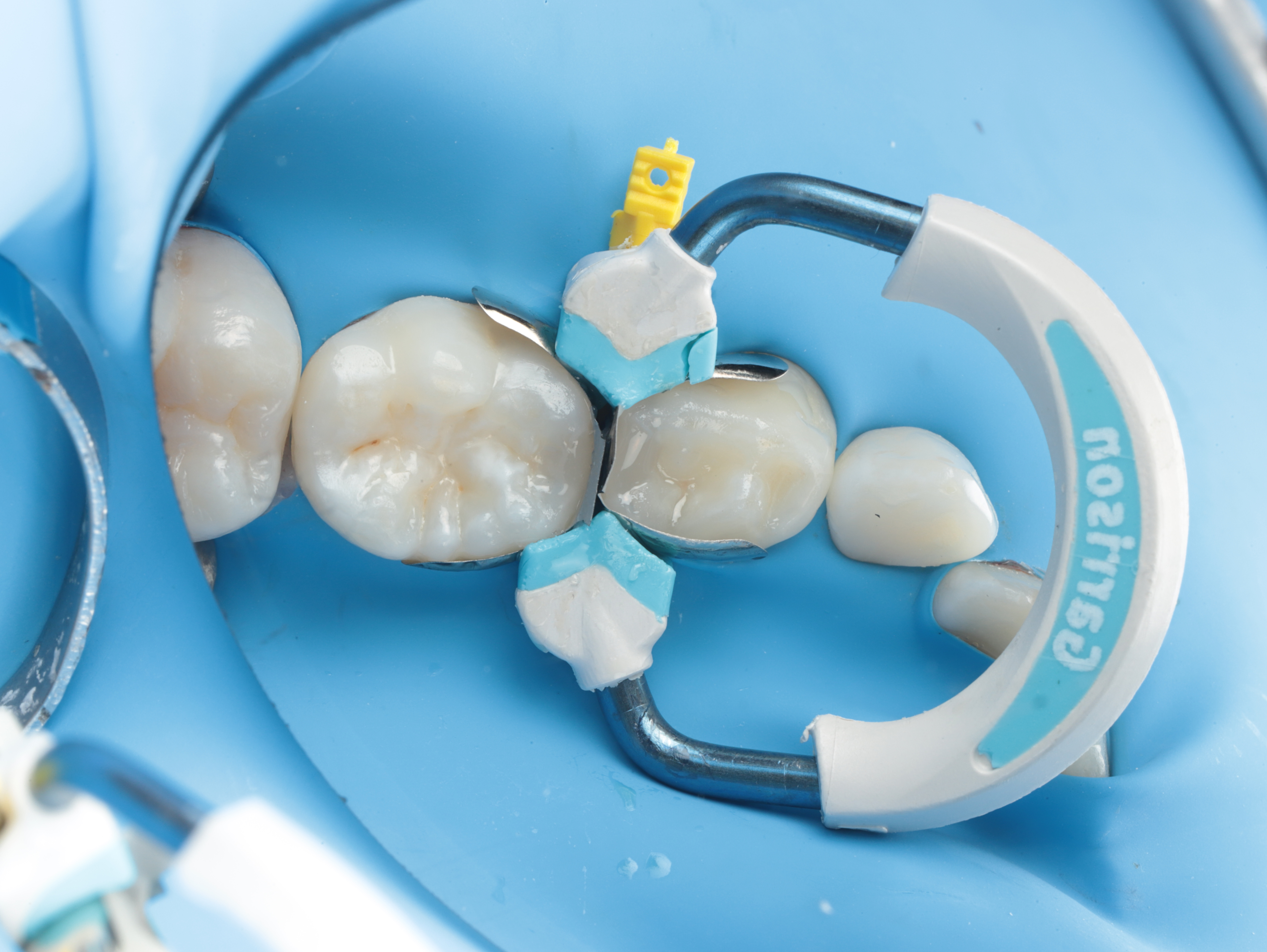
A sectional matrix and wedge were adapted at the proximal area, and a Garrison Strata-G ring was positioned to provide controlled separation and stabilize the matrix. The proximal walls were reconstructed with Gradia Posterior composite resin (GC), followed by completion of the occlusal anatomy. After removal of the ring, wedge, and matrix, the marginal ridges, proximal contours, and contact area were checked. Finishing and polishing were completed, and an immediate postoperative radiograph was obtained.
|
| Figure 1. Initial radiograph. Diagnosis of proximal carious lesions involving primary teeth 84 and 85. |
|
| Figure 2. Rubber dam isolation using Nic Tone dental dam. |
|
| Figure 3. Conservative cavity access through a minimally invasive preparation. |
|
| Figure 4. Selective carious tissue removal and cavity preparation. |
|
| Figure 5. Placement of the sectional matrix, wedge and Garrison Strata-G ring for proximal wall reconstruction. |
|
| Figure 6. Reconstruction of the proximal walls using Gradia posterior (GC). |
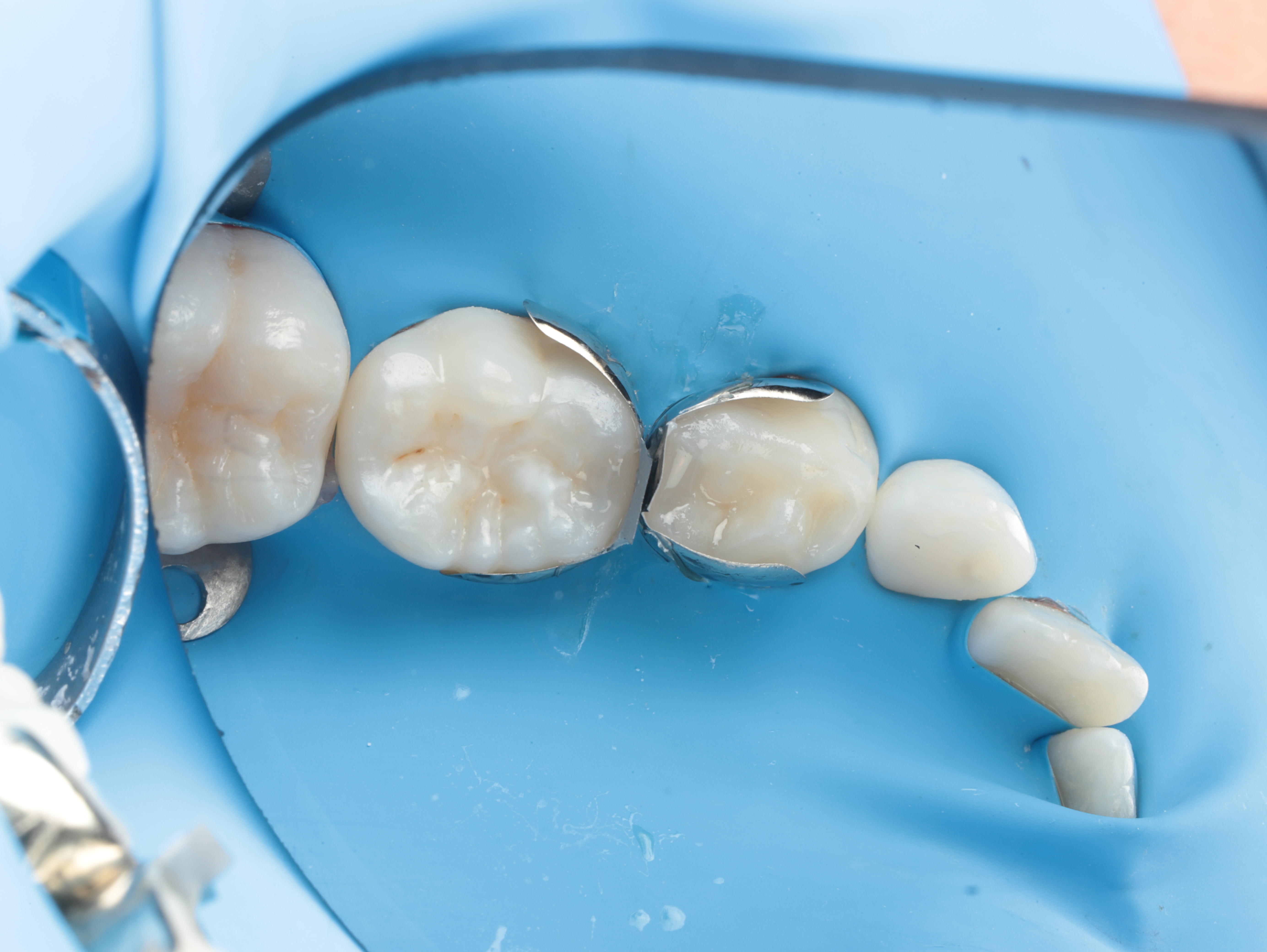
|
| Figure 7. Restoration after removal of the Strata-G ring. |
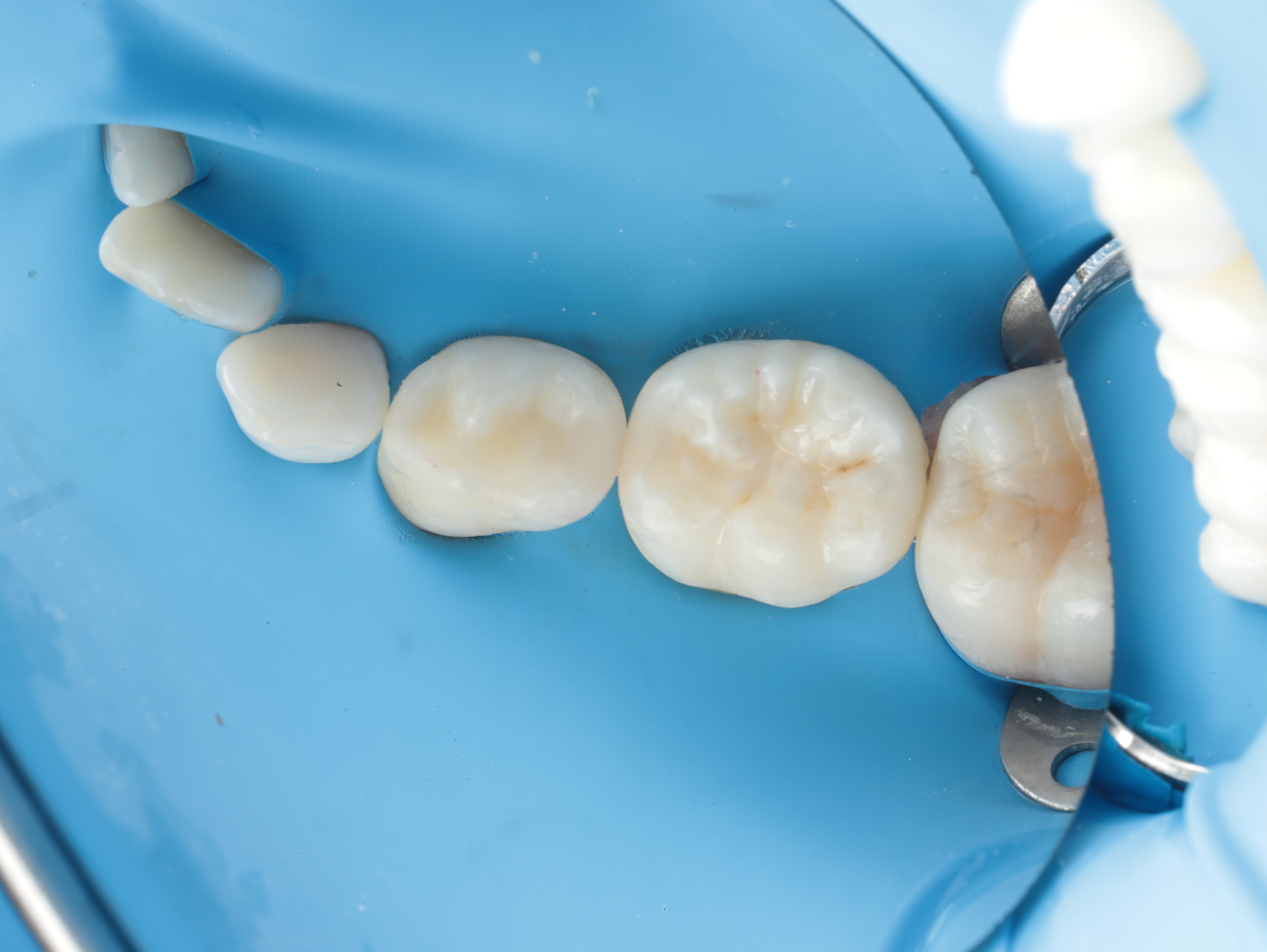
|
| Figure 8. Restoration after polishing. |
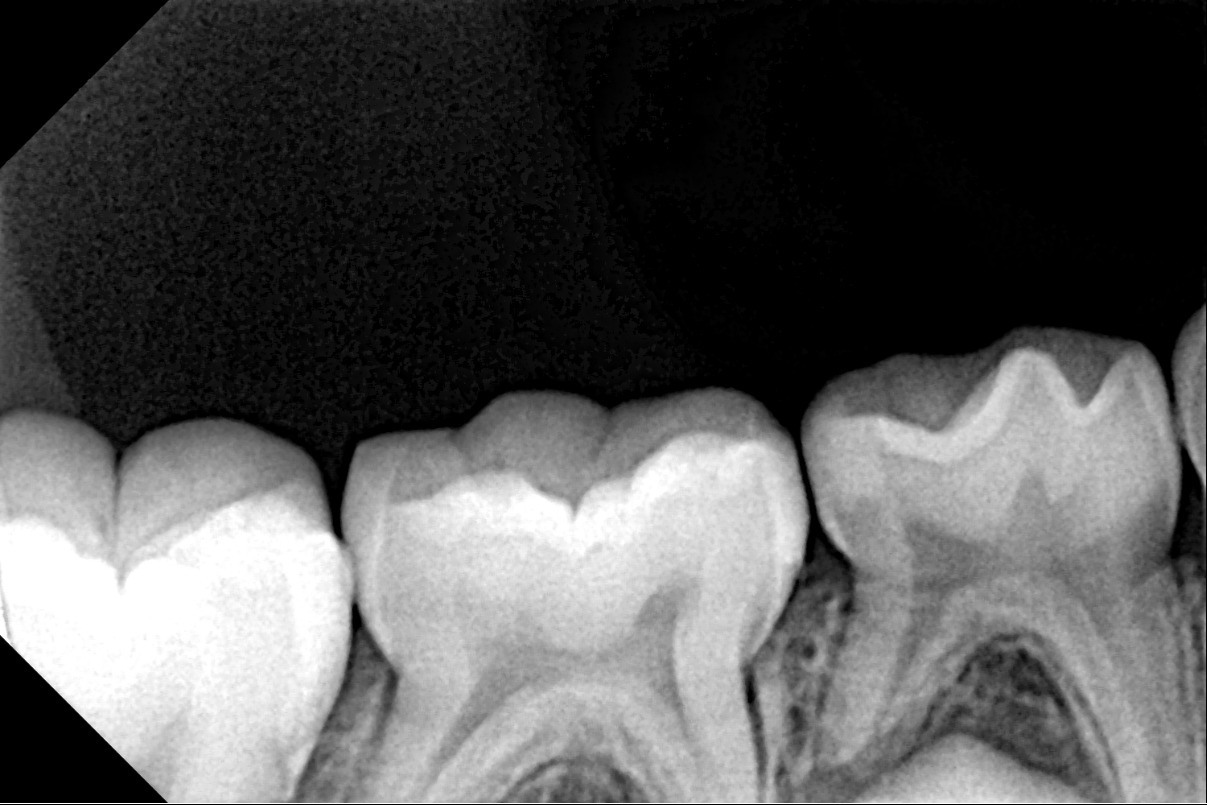
|
| Figure 9. Postoperative radiographic evaluation. |
The immediate clinical result showed restored proximal form, continuous marginal contours, and an esthetic appearance consistent with the family’s treatment preference. The postoperative radiograph supported adequate adaptation in the interproximal region.
The Garrison Strata-G system offers a practical and predictable solution for restoring proximal lesions in primary molars. Its ring provides stable matrix positioning and controlled tooth separation, helping to recreate natural proximal contours and appropriate contact areas. In this case, the system simplified the restorative procedure and supported a conservative, efficient, and esthetic result, demonstrating its value in pediatric restorative dentistry.