
Solving the Flowable Injection Excesses Dilemma with Garrison ProxiBur IPR Burs
Background
A male patient presented to the clinic with compromised smile aesthetics and functional impairment resulting from a severe anterior open bite. Although ideal interdisciplinary treatment initially indicated comprehensive orthodontic therapy to resolve the malocclusion, the patient declined orthodontic intervention due to personal and lifestyle preferences. To address the aesthetic disharmony through an additive, tissue-preserving protocol, a flowable injection technique was planned to restore the maxillary anterior sextant from canine to canine (teeth 1.3 to 2.3).
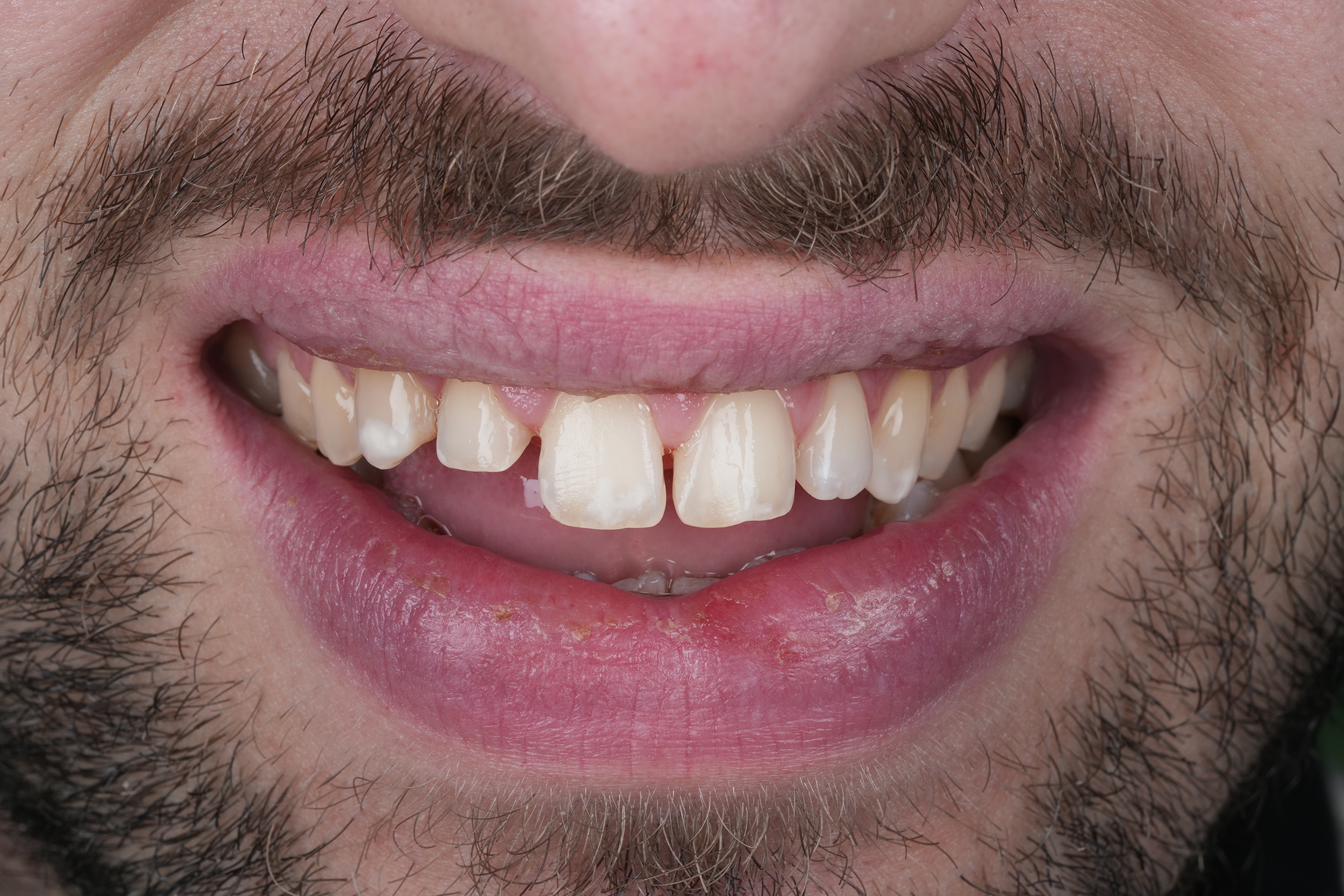
|
| Image 1 |
Predictable aesthetic validation: the pre-operative additive mock-up
Before removing existing restorations or altering healthy tooth structure, an additive intraoral mock-up was transferred to evaluate tooth proportions, incisal edge position, and smile dynamics. Testing the new aesthetic setup into the mouth allowed the patient to preview and approve the aesthetic transition, providing definitive diagnostic guidance before composite injection.
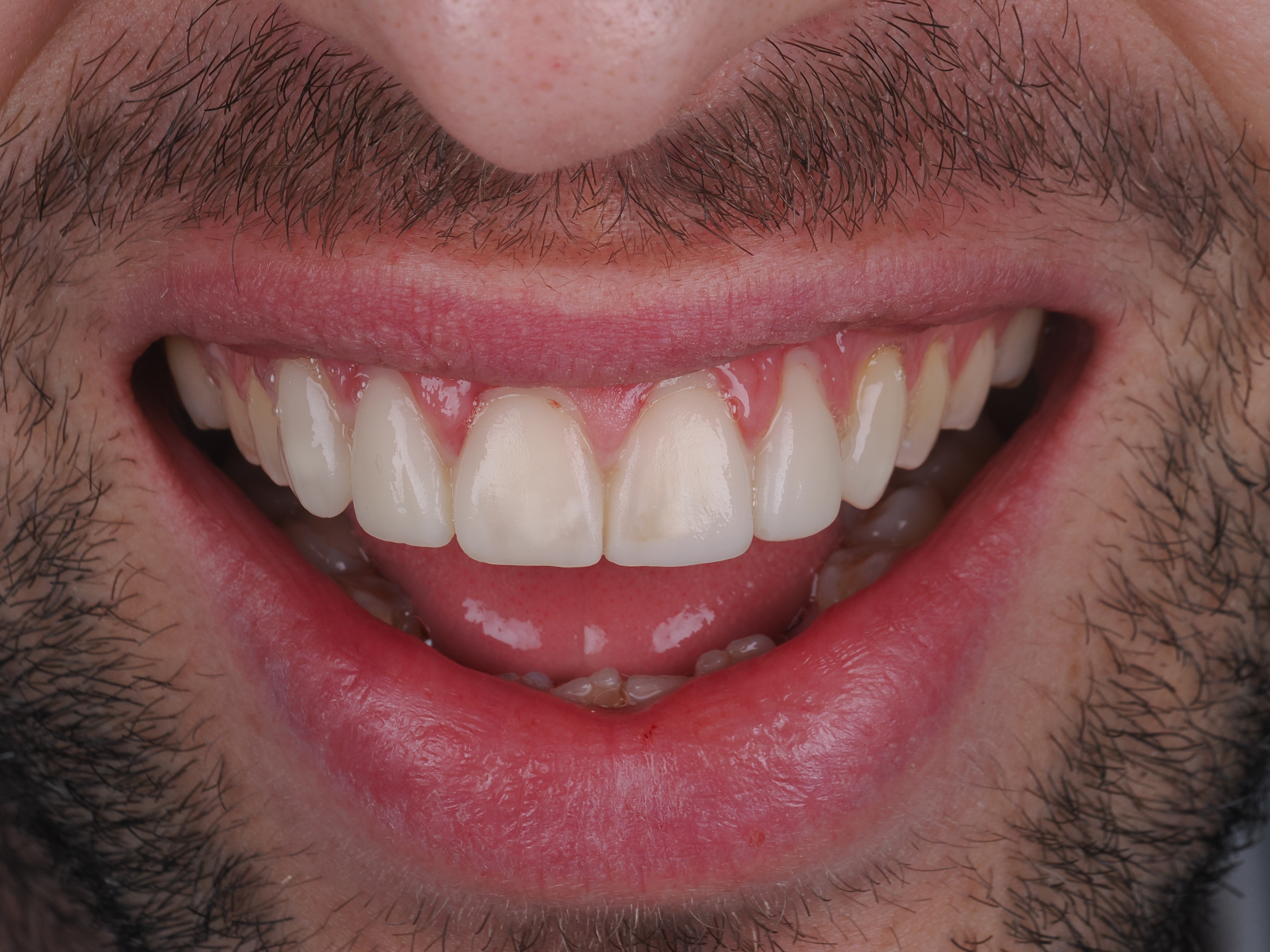
|
| Image 2 |
Procedure
The restorative issue: excesses management in flowable injection
The flowable injection technique works with an accurate diagnostic wax-up and a high-translucency clear silicone matrix to faithfully transfer idealized morphology into the mouth using highly filled flowable composite. Despite its efficiency in replicating anatomy, the universal clinical challenge remains the excesses of polymerized resin composite. Traditional excesses removal relies on standard operative finishing burs; however, even the smallest commercially available finishing tips has dimensions and tapers that risk ruining composite surfaces, scarring pristine enamel, or ditching delicate sub-gingival emergence profiles.
The Alternated Restorative Strategy
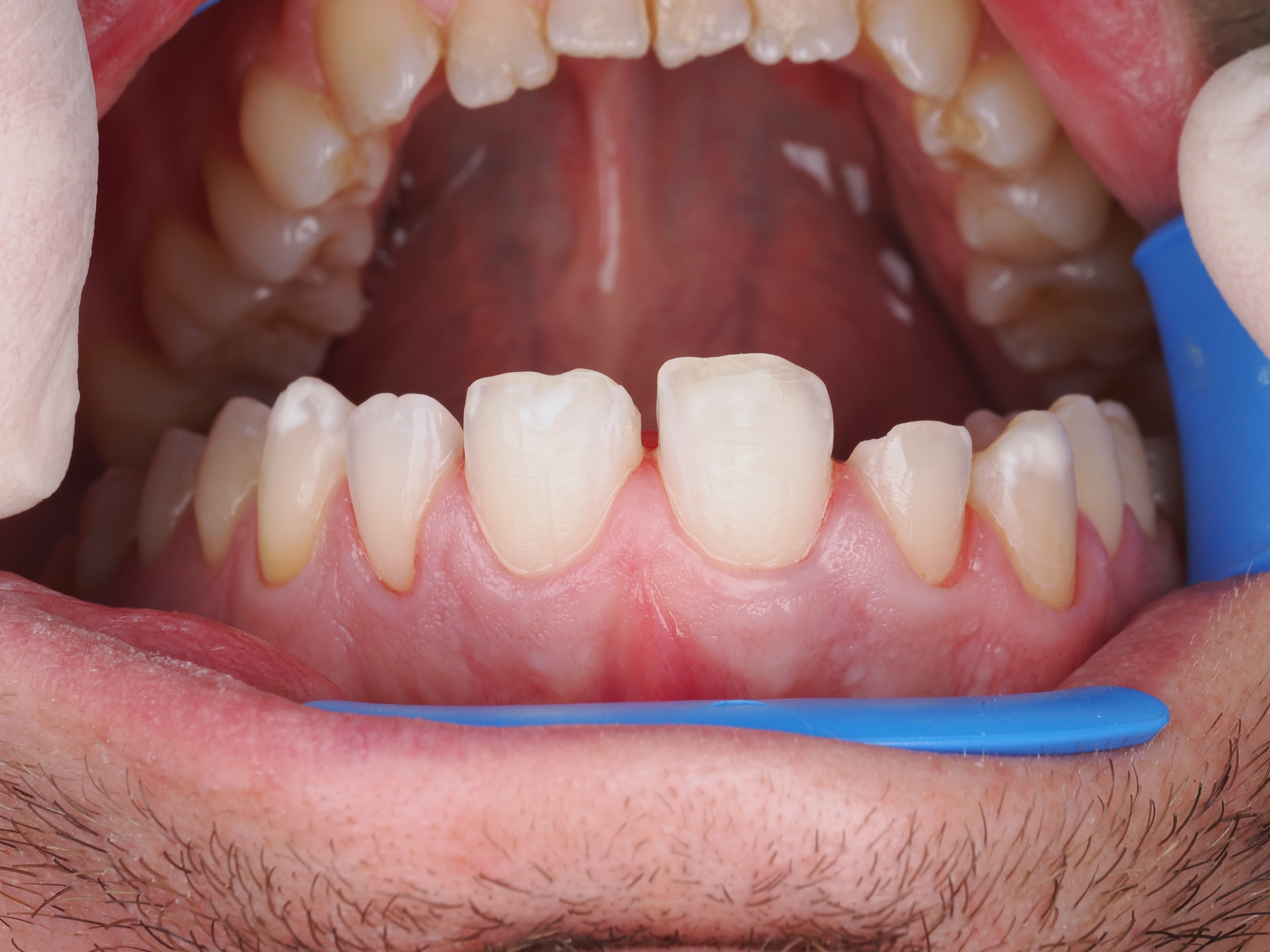
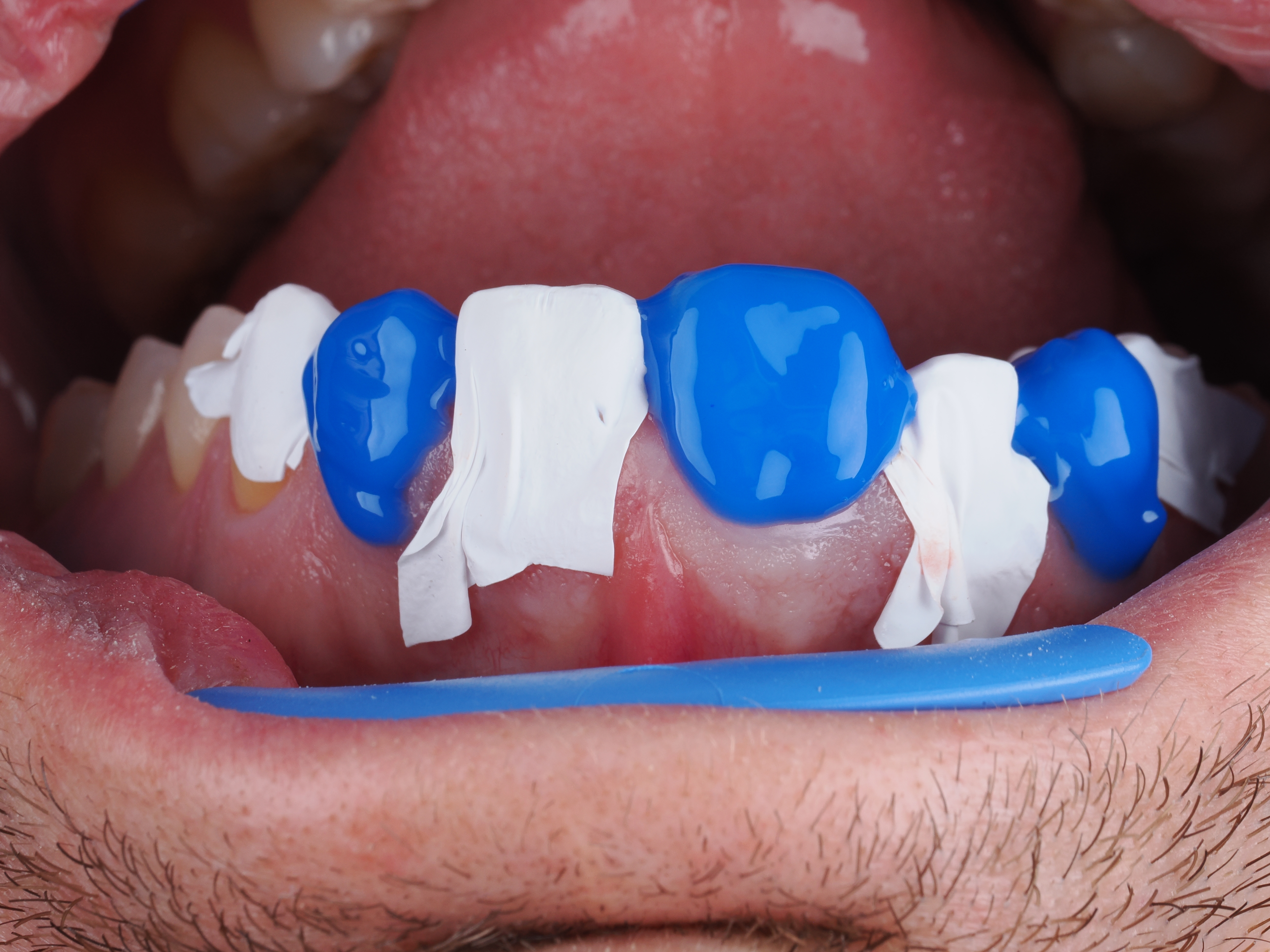
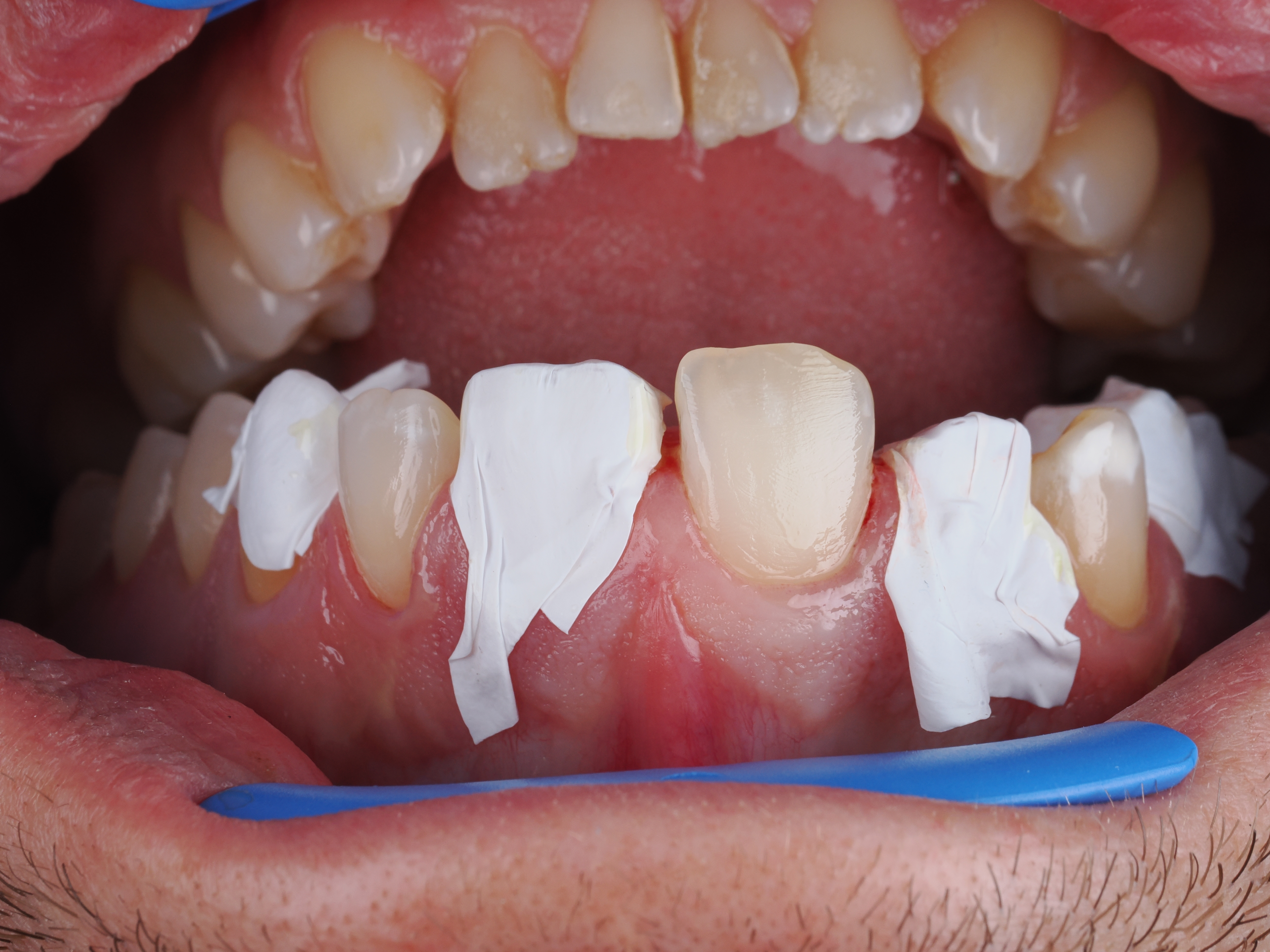
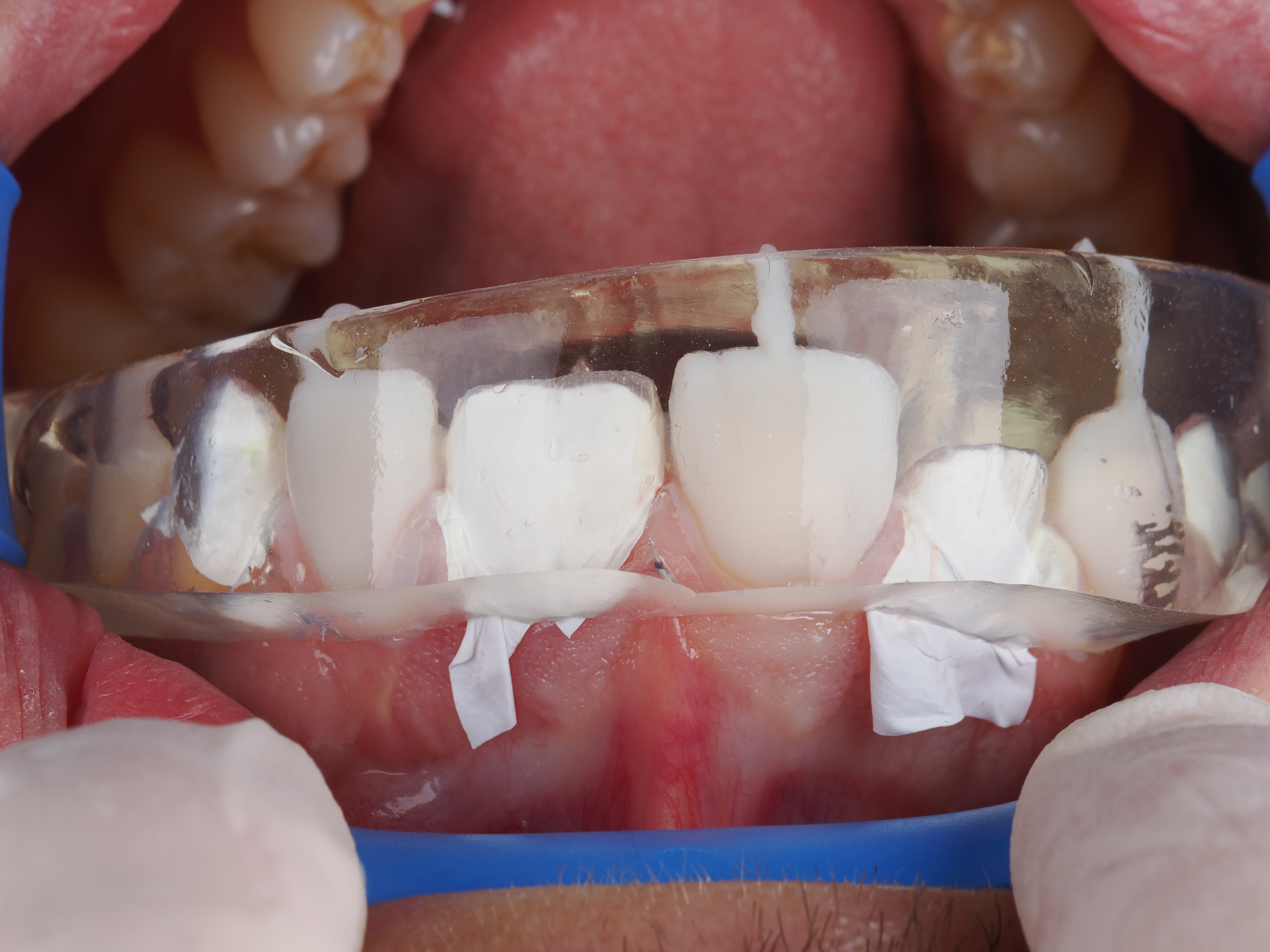
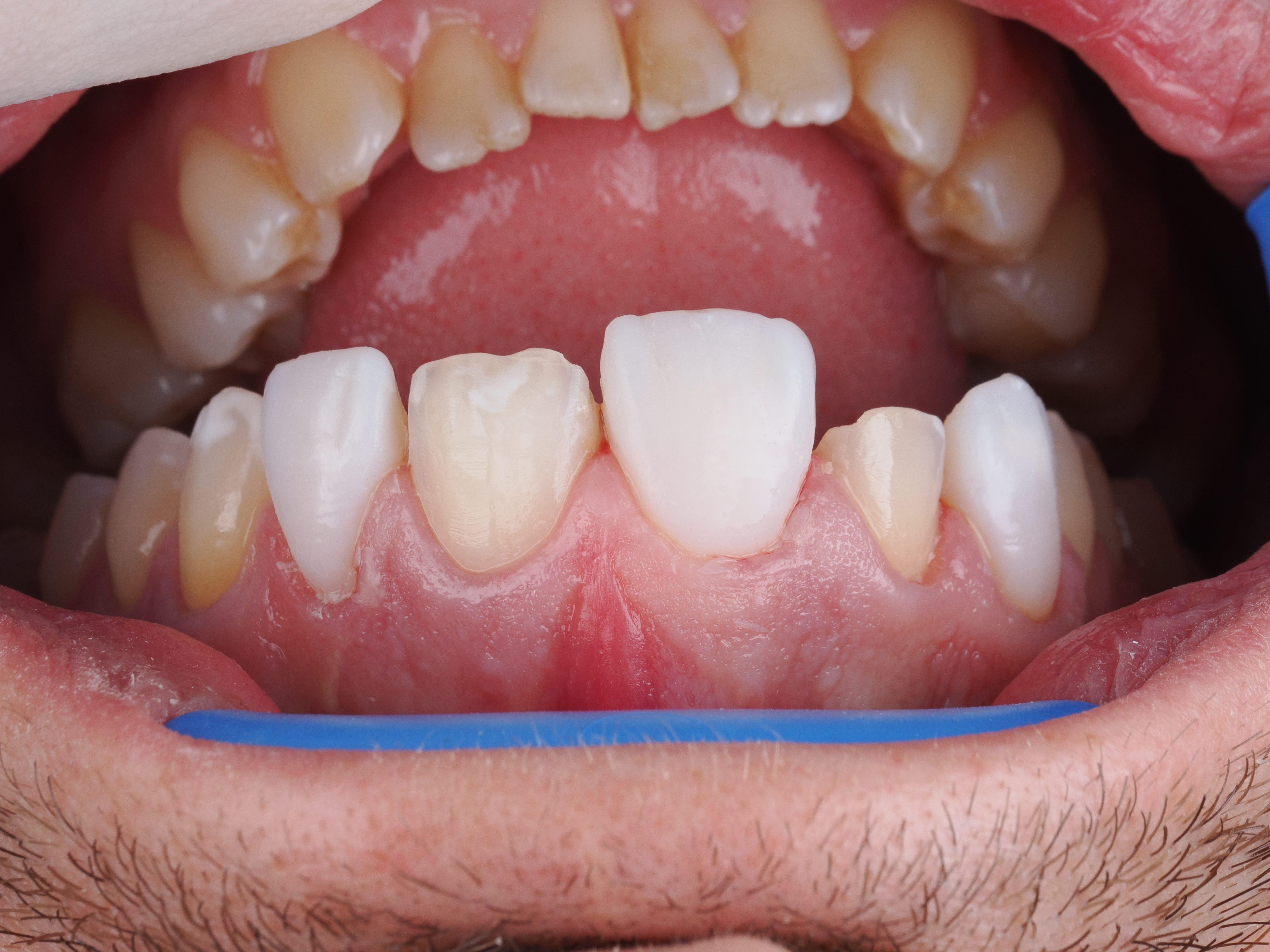
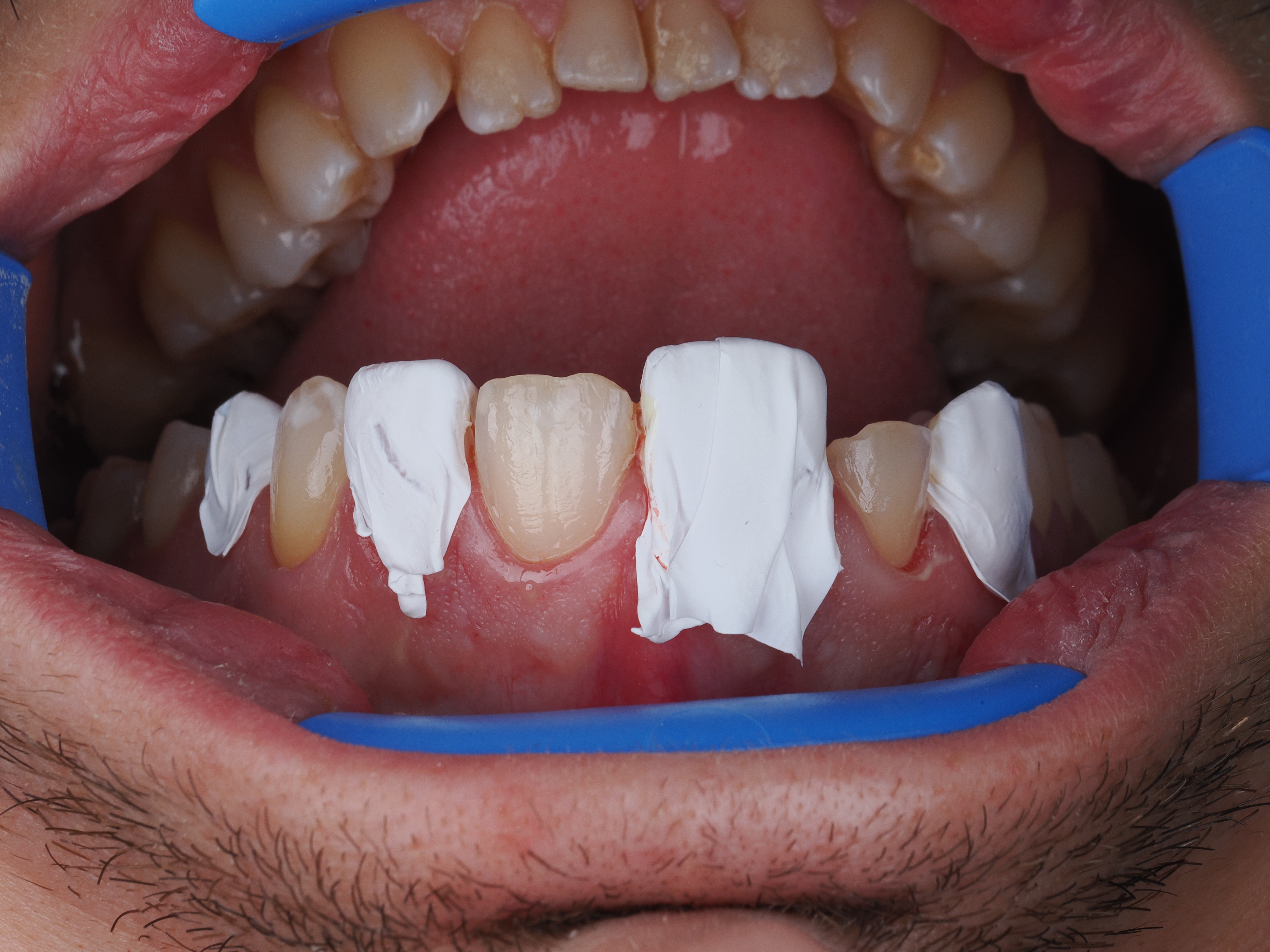
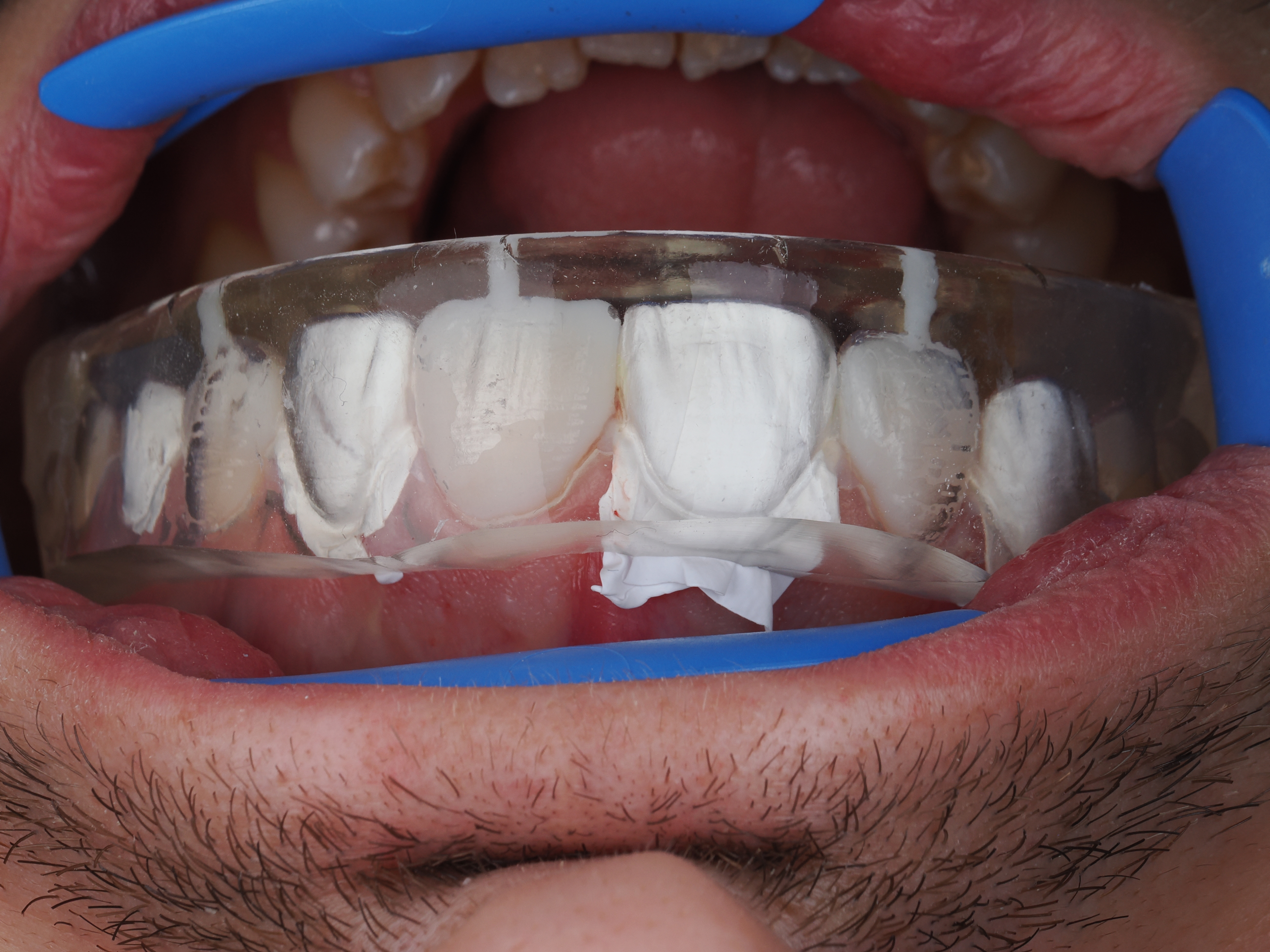
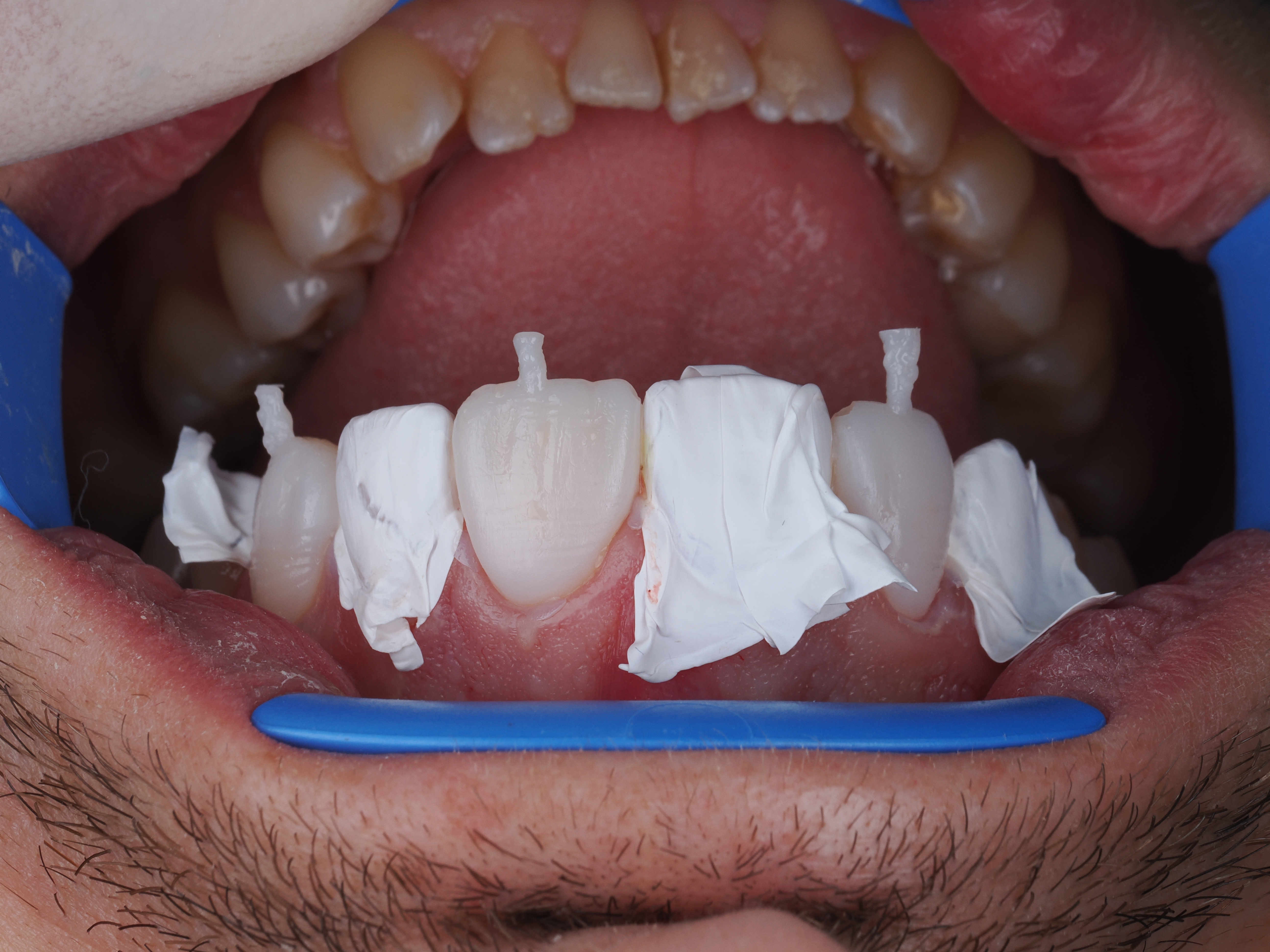
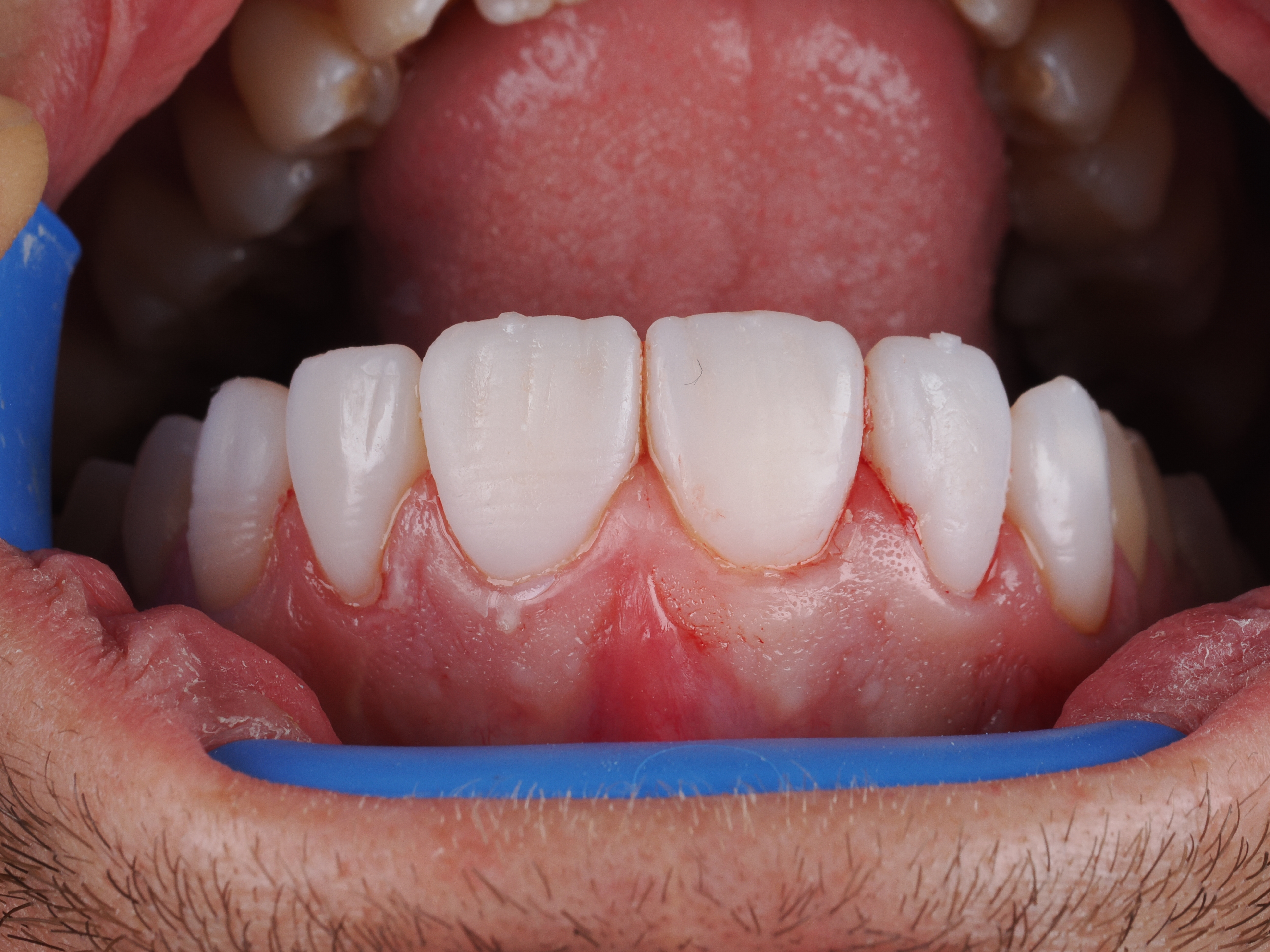
To prevent uncontrollable inter-proximal resin bridge formation and accidental bonding of adjacent surfaces, an alternated restorative sequence (Image 3) was implemented in coordination with the dental technician:
- Alternated Lab Design: the dental technician prepared an alternated wax-up and a complete one with two clear silicone index, establishing dedicated holes for alternating units.
- Primary Injection (3 Units): Adhesive conditioning and flowable injection were performed on the first group of alternating teeth (1.3, 1.1,2.2). With adjacent proximal spaces widely accessible, excess was minimal and safely removed using a No.12 curved scalpel blade.
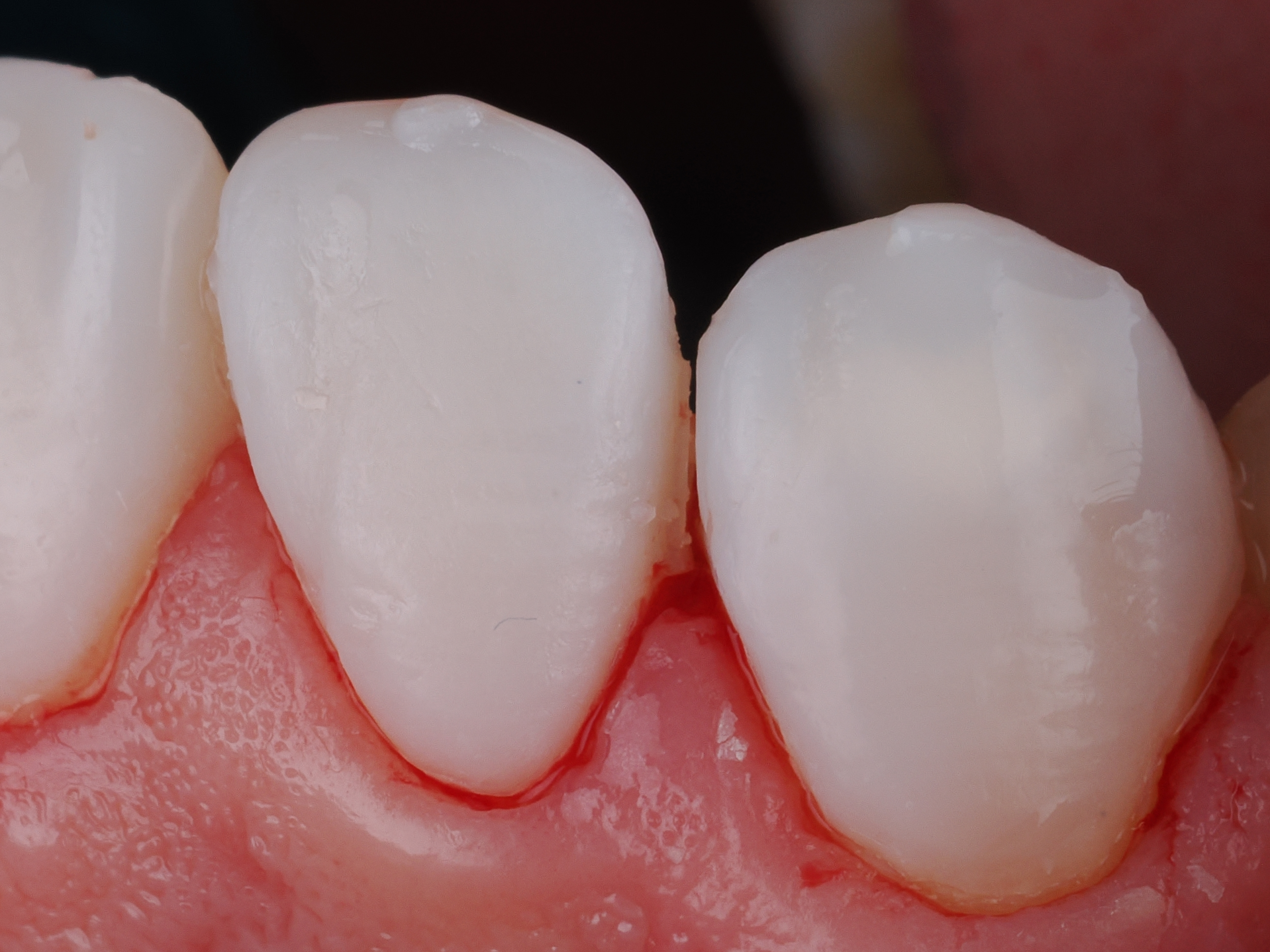
- Secondary Injection (3 Units): The other teeth (1.2, 2.1, 2.3) were treated by adhesion and injected. In this confined secondary cycle, excesses generally accumulated more significantly than the first cycle along the tight cervical and inter-proximal boundaries, necessitating targeted rotary instrumentation.
|
|
|
|
|
|
|
|
| Image 3 |
|
| Image 4 |
The new Garrison rotary protocol: Repurposing ProxiBur IPR burs
To resolve the physical limitations of standard operative burs, a new finishing protocol was executed using Garrison rotary instruments originally engineered for orthodontic inter-proximal reduction (IPR). Their slender profile, calibrated micro-diameters, and safe-tip designs provide unmatched precision in confined subgingival and interdental architectures.
Step-by-Step rotary instrumentation stages
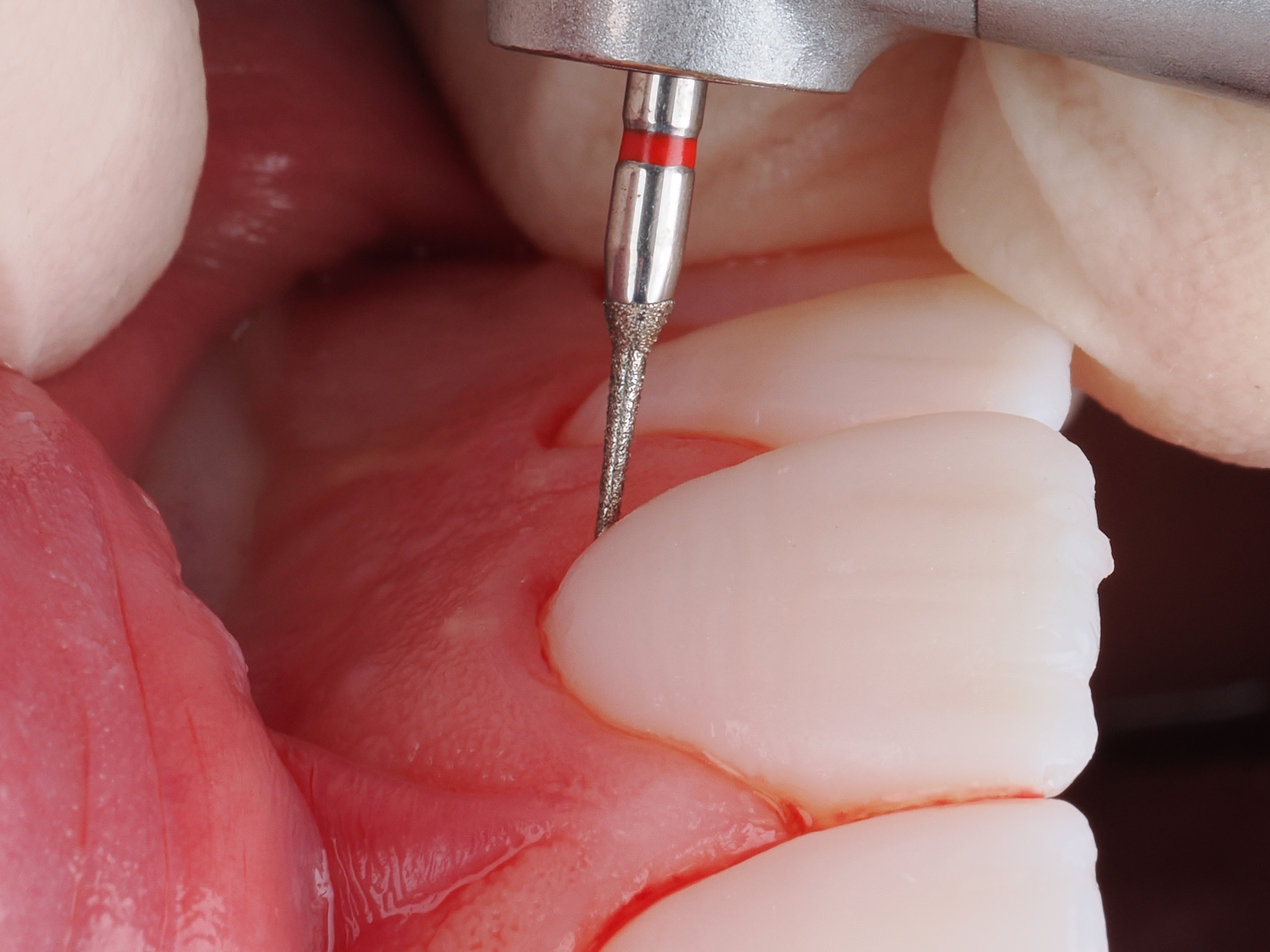
Stage 1: Cervical Margin Contouring (Garrison PRXR04F)
Polishing systematically begins at the cervical area, where excesses of flowable tends to accumulate subgingivally along the sulcular margin. To eliminate composite without gouging the restoration, the clinician applies the Garrison PRXR04F bur from (Image 5) papilla to papilla. Its rounded safety tip avoids creating sharp notches or wavy striations, achieving a continuous, biologically compatible emergence profile.
|
| Image 5 |
Stage 2: Inter-proximal Excess Removal (Garrison PRXR02M)
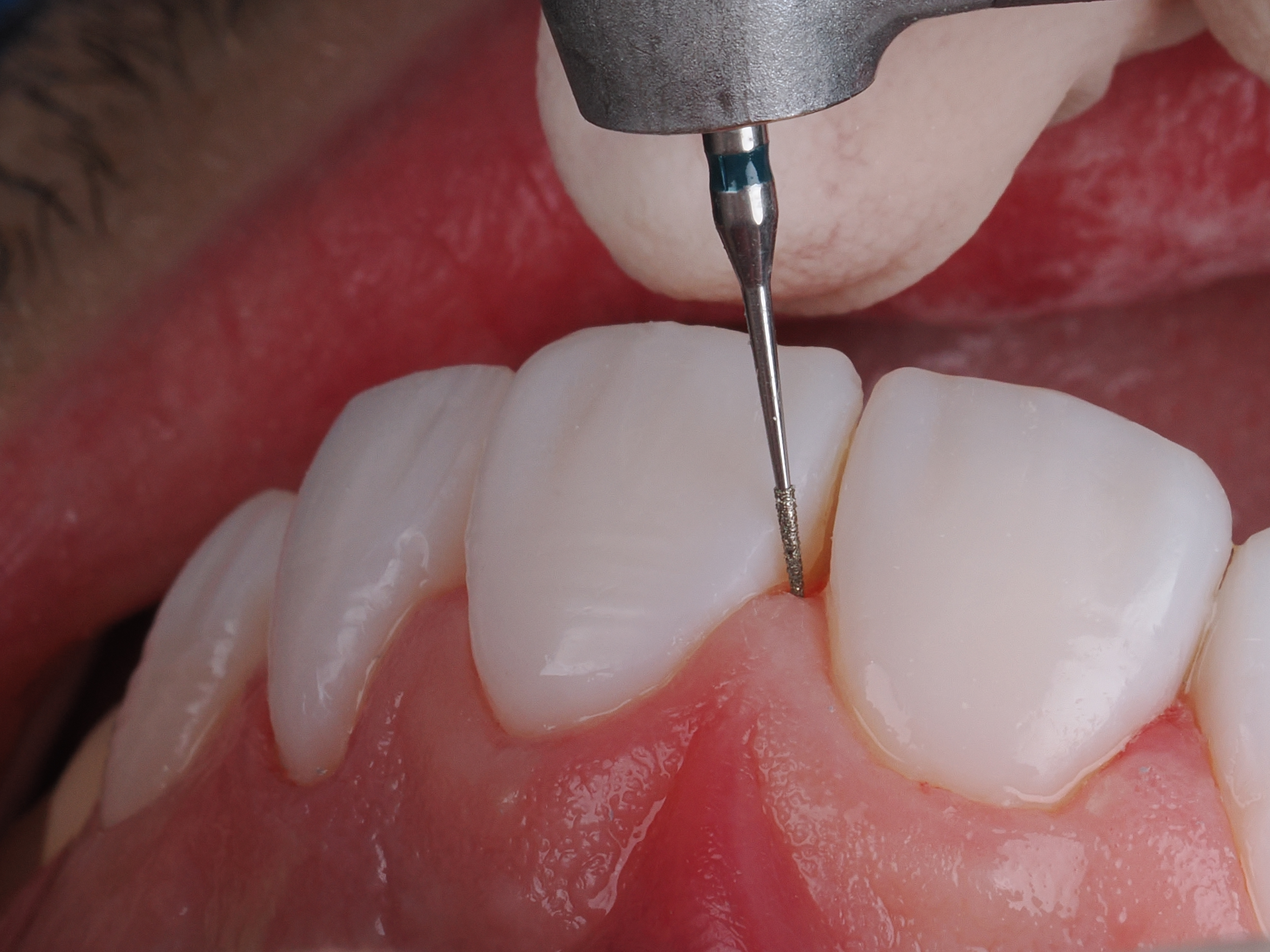
After the flow injection technique, resin excesses commonly form immediately below the contact point. Standard operative finishing burs cannot access this confined space without stripping the adjacent contact point. The Garrison PRXR02M (Image 6) bur features a 0.5 mm profile combined with robust cutting efficiency (designed for medium-to-heavy reduction). It effortlessly slips beneath the contact point to sever the composite excesses while leaving proximal tooth contours untouched.
|
| Image 6 |
Stage 3: Super-Fine Inter-proximal Finishing (Garrison PRXR02S)
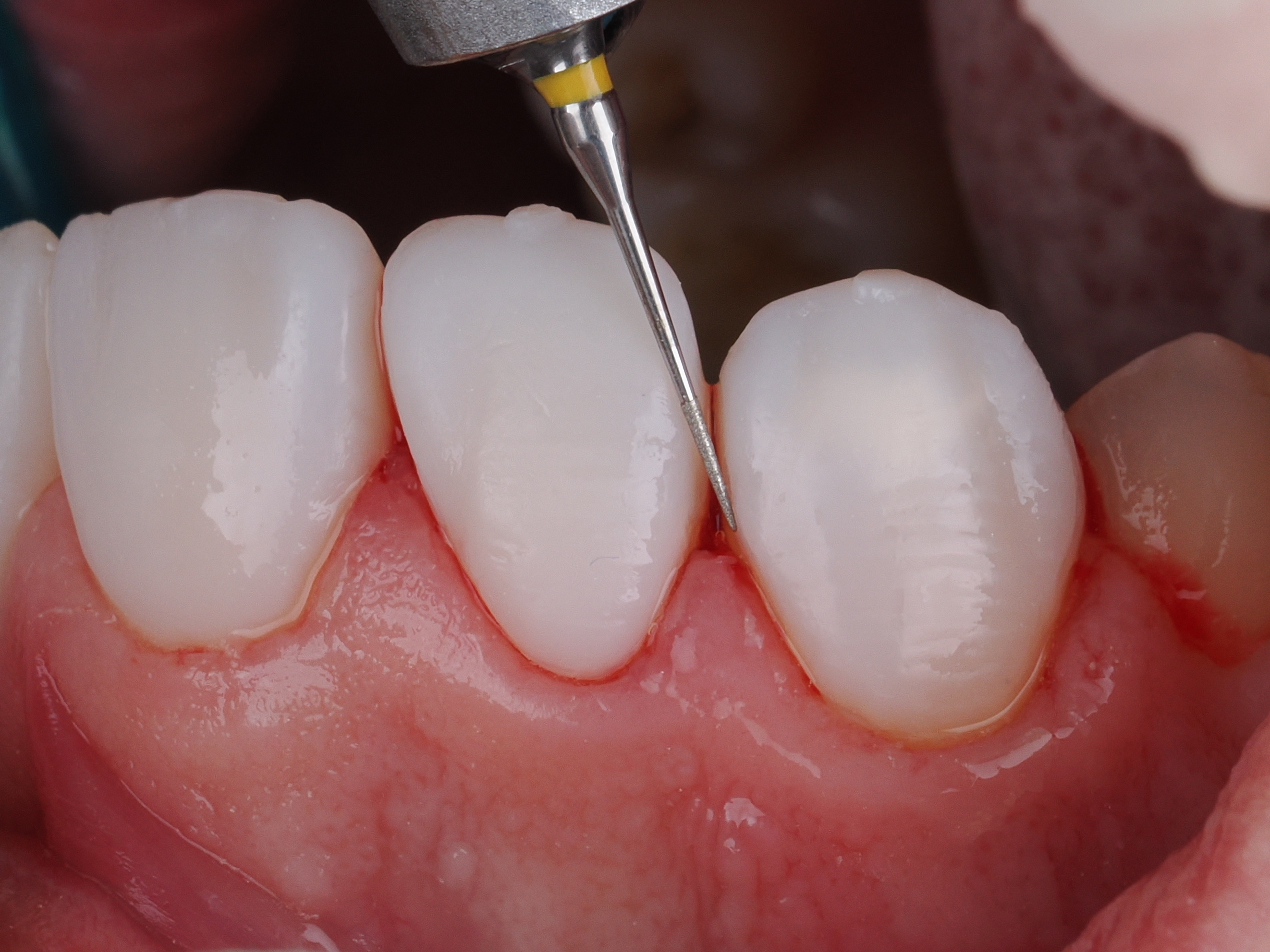
To ensure long-term periodontal health and prevent plaque accumulation, final refinement of all interdental interfaces is executed with the Garrison PRXR02S bur (Image 7). With a microscopic 0.45 mm diameter and super-fine yellow-band grit, this bur unblocks microscopic resin tags that could bridge adjacent teeth and finishes proximal line angles to a smooth finish.
|
|
| Image 7 |
Clinical outcomes and biological evaluation
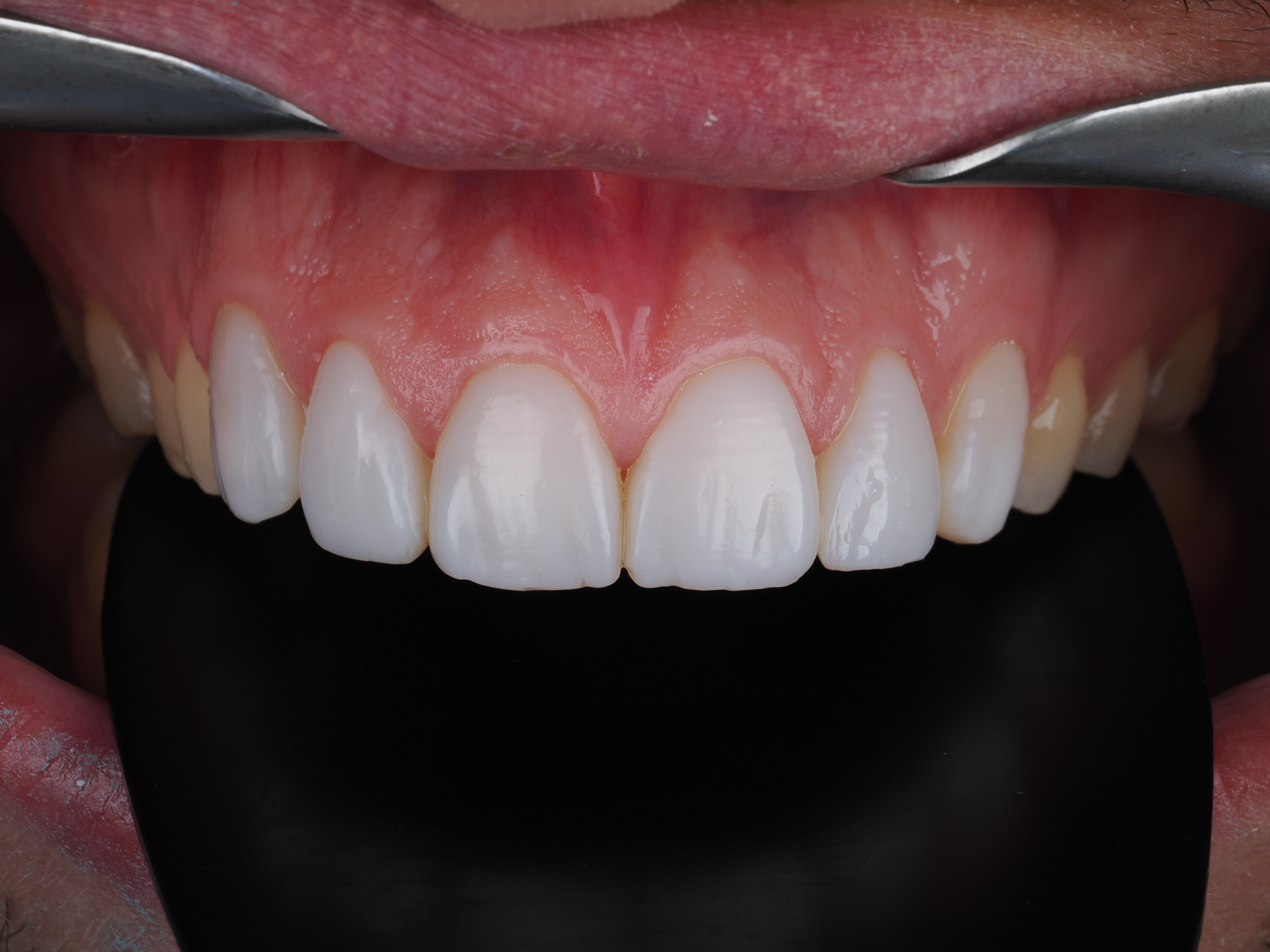
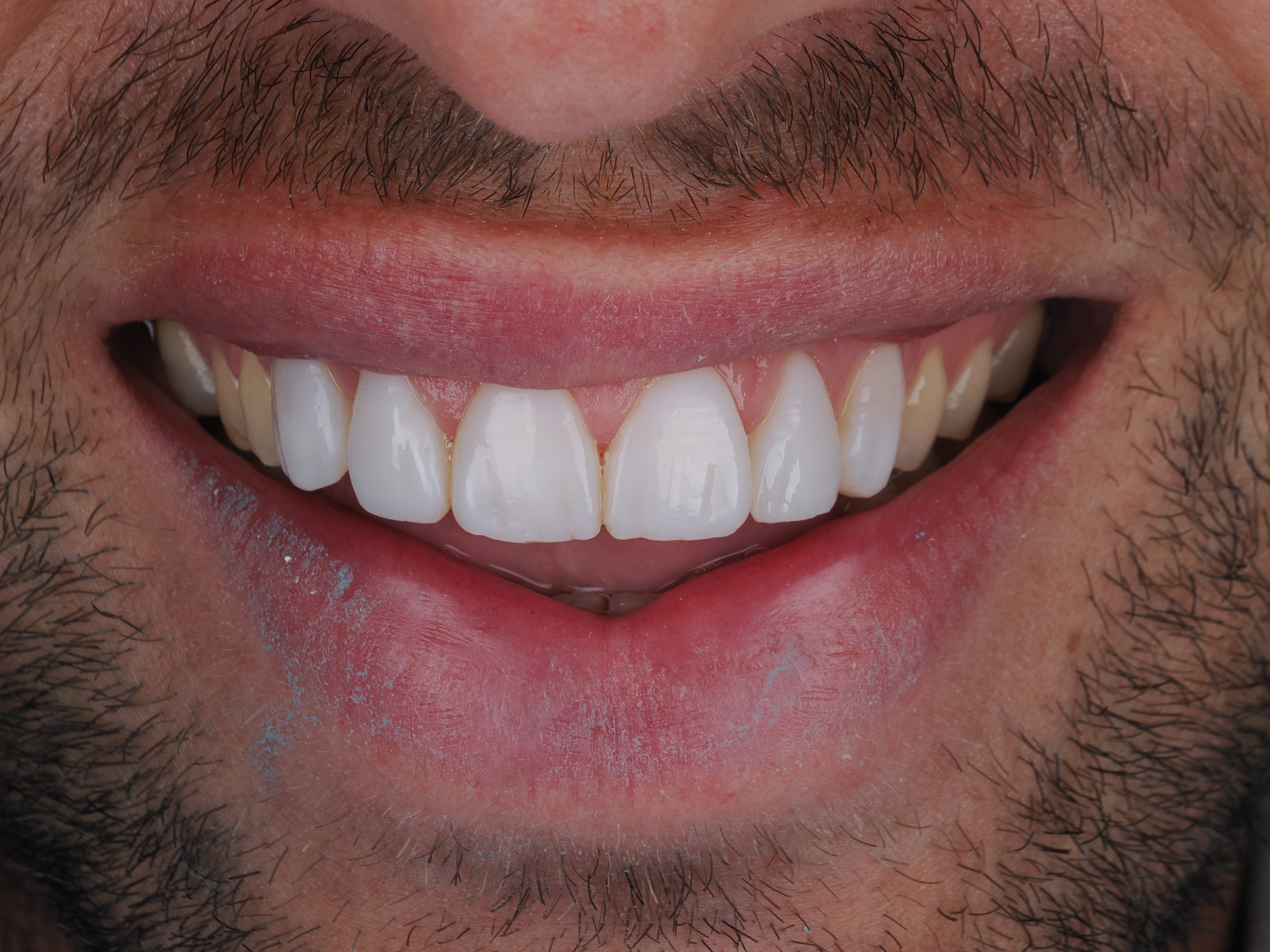
At definitive evaluation, the flowable composite restorations demonstrated seamless marginal integration, natural light reflection, and harmonious aesthetic camouflage of the anterior open bite. The surrounding periodontal architecture exhibited rapid tissue re-adaptation without marginal inflammation, ditching, or mechanical scarring.
|
|
| Image 8 |
Clinical takeaway for restorative dentists
Flowable injection excesses removal does not require aggressive operative diamond burs. Repurposing Garrison ProxiBur IPR burs (PRXR04F, PRXR02M, and PRXR02S) solves the excesses dilemma by providing micro-access, safe-tip guidance, and high-gloss finishing in tight anterior spaces without iatrogenic damage.