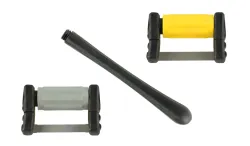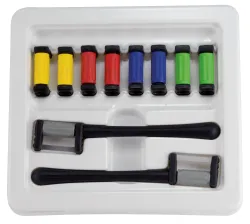
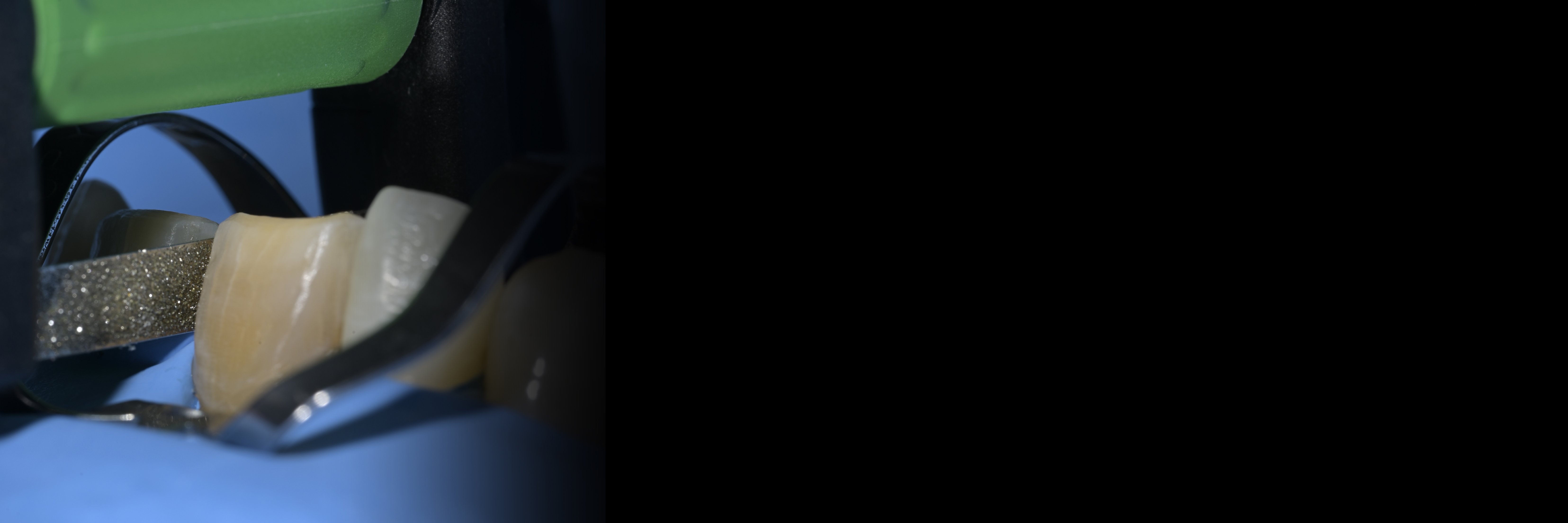
FitStrip diamond abrasive strips are an extremely useful tool for finishing and checking interproximal margins during tooth preparation and the bonding of ceramic veneers. These thin abrasive stainless-steel strips, available in different grits and designs, allow clinicians to precisely remove excess cement during veneer bonding in hard-to-reach areas, reducing the risk of trauma to soft tissues and to the ceramic itself.
Their ergonomic design and the option for manual use provide excellent handling and control, improving marginal adaptation and the overall quality of the final restoration.
Likewise, accuracy in tooth preparation is one of the key factors for the long-term success of ceramic veneers. In addition to proper margin design, it is essential to achieve smooth surfaces, harmonious contours, and above all, well-managed interproximal contacts, for both functional and esthetic reasons.
In this context, Garrison® FitStrip products prove to be extremely useful not only during the final bonding stage, but also throughout the preparation phase. Their thin, flexible, and easily controllable structure enables accurate, minimally invasive interproximal finishing, which is essential for:
- Finishing proximal walls after initial reduction with rotary burs
- Refining cervical margins and minimizing micro-irregularities
- Gently opening interproximal contacts while preserving soft tissue
The ergonomic handle, manual-use option, and availability in multiple grits allow the clinician to adjust the abrasive action depending on the treatment phase, from pre-finishing to polishing.
FitStrip becomes an extension of the clinician’s tactile sensitivity, providing a level of control that is impossible to achieve with traditional rotary instruments, especially in areas where visibility and access are limited. This results in a more precise, conservative, and clean preparation, improving both the accuracy of digital scanning/impressions and the marginal fit of the final restoration.
Ultimately, integrating Garrison FitStrip into daily clinical practice is not only helpful during cementation, but also represents a valuable ally during tooth preparation, helping elevate the technical and esthetic quality of ceramic veneer treatment.
|
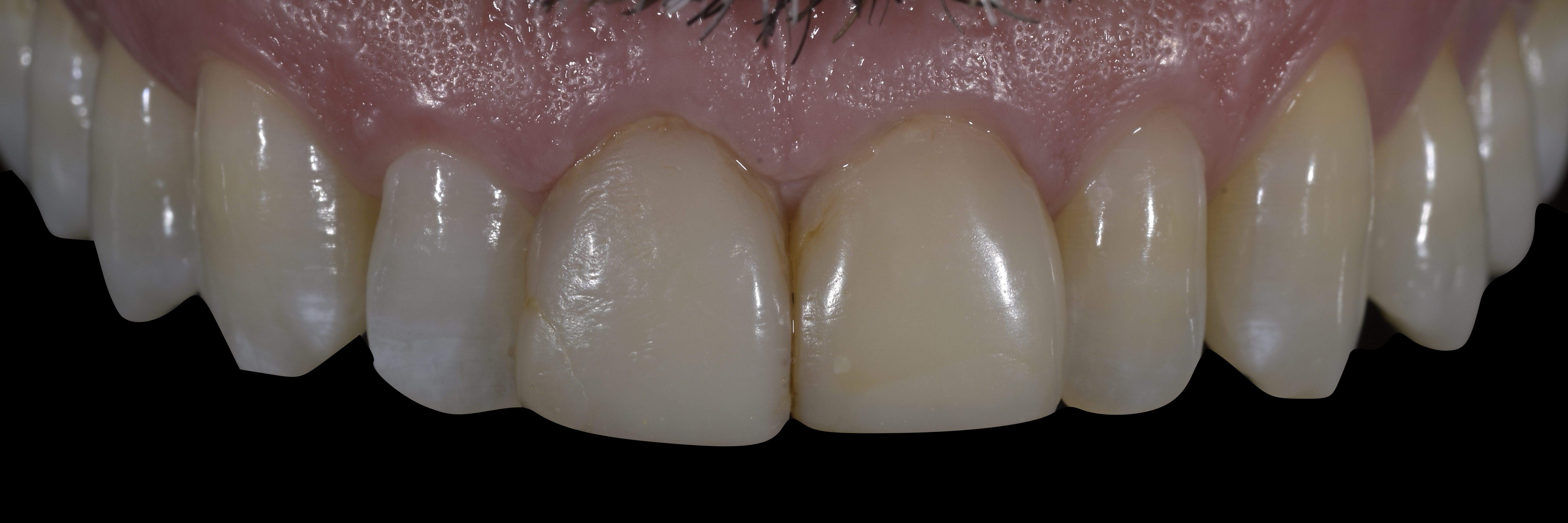
| Figure 1: Clinical case at the first visit. |
|
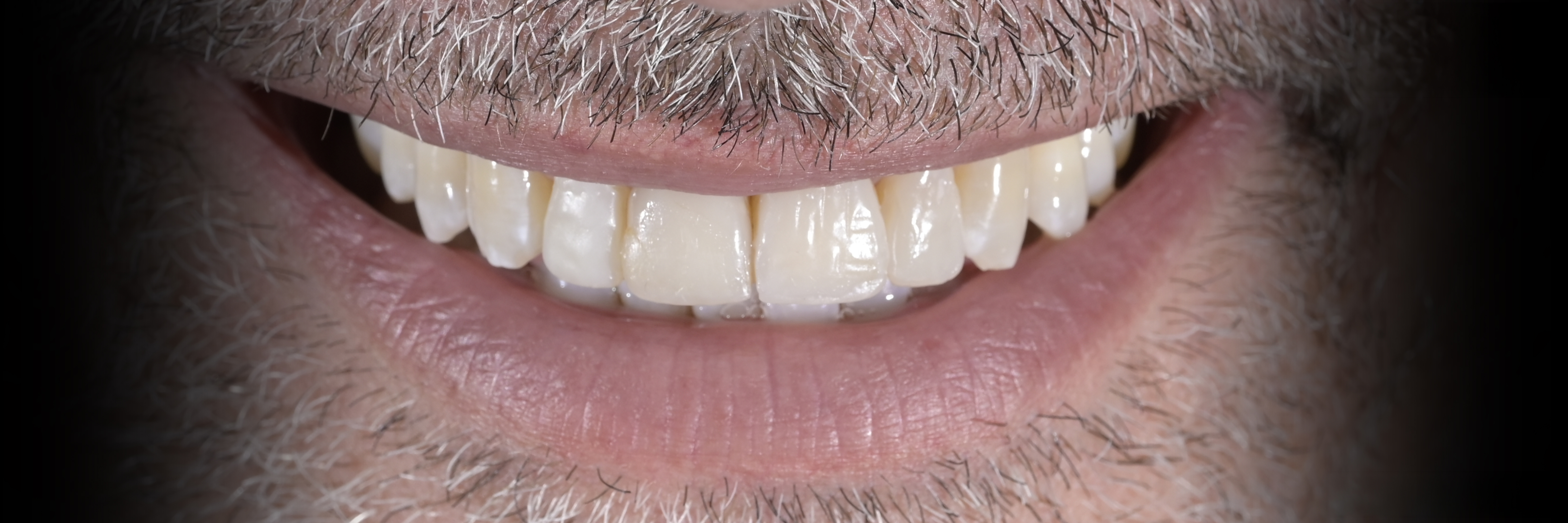
| Figure 2: Pre-visualization of the reconstructive prosthetic treatment plan using the mock-up technique. |
|
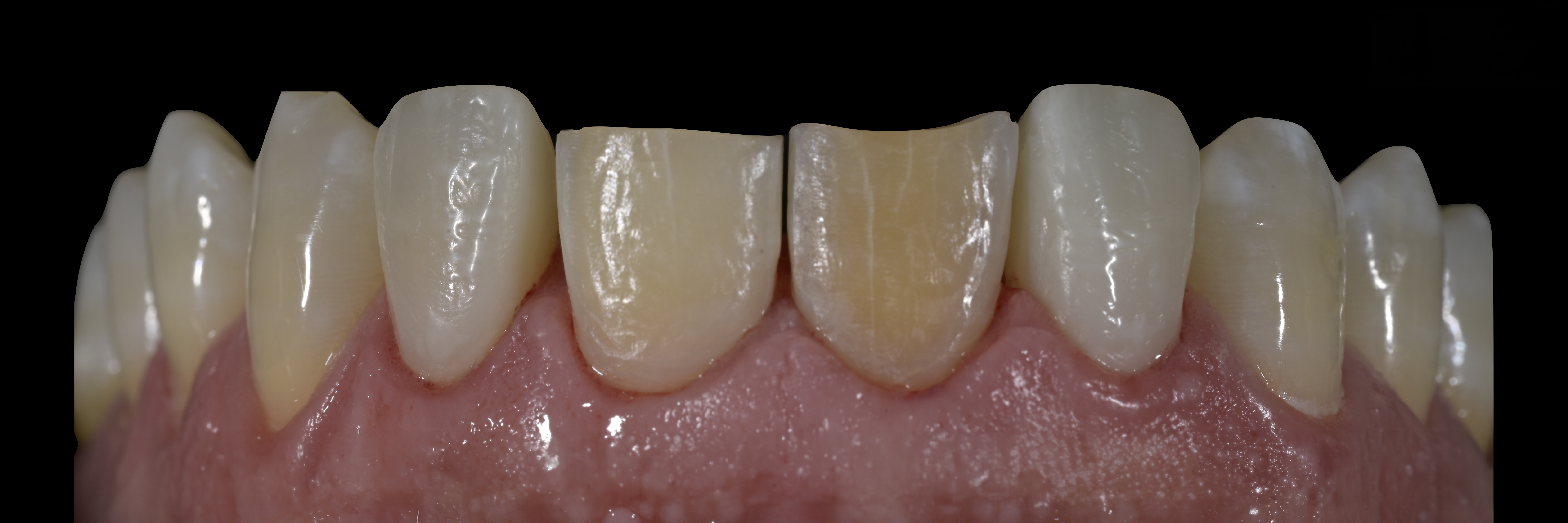
| Figure 3: Removal of old restorations and creation of minimally invasive tooth preparations. |
|
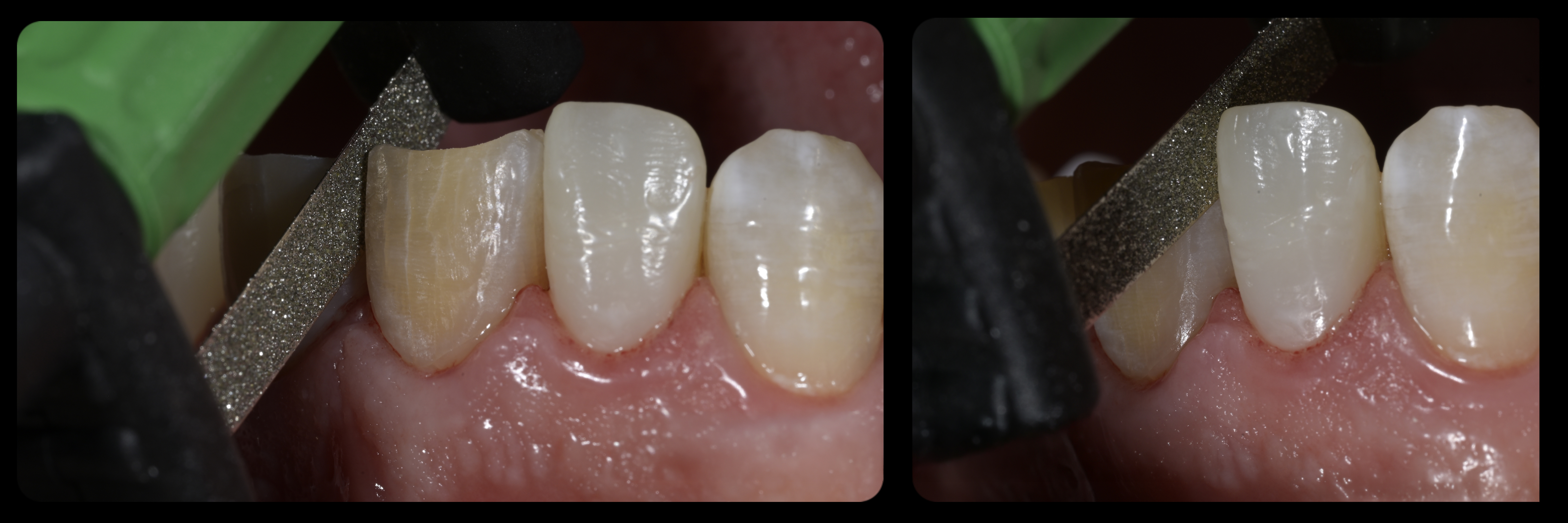
| Figure 4: Refinement of proximal surfaces using FitStrip abrasive matrices with a manual technique. |
|
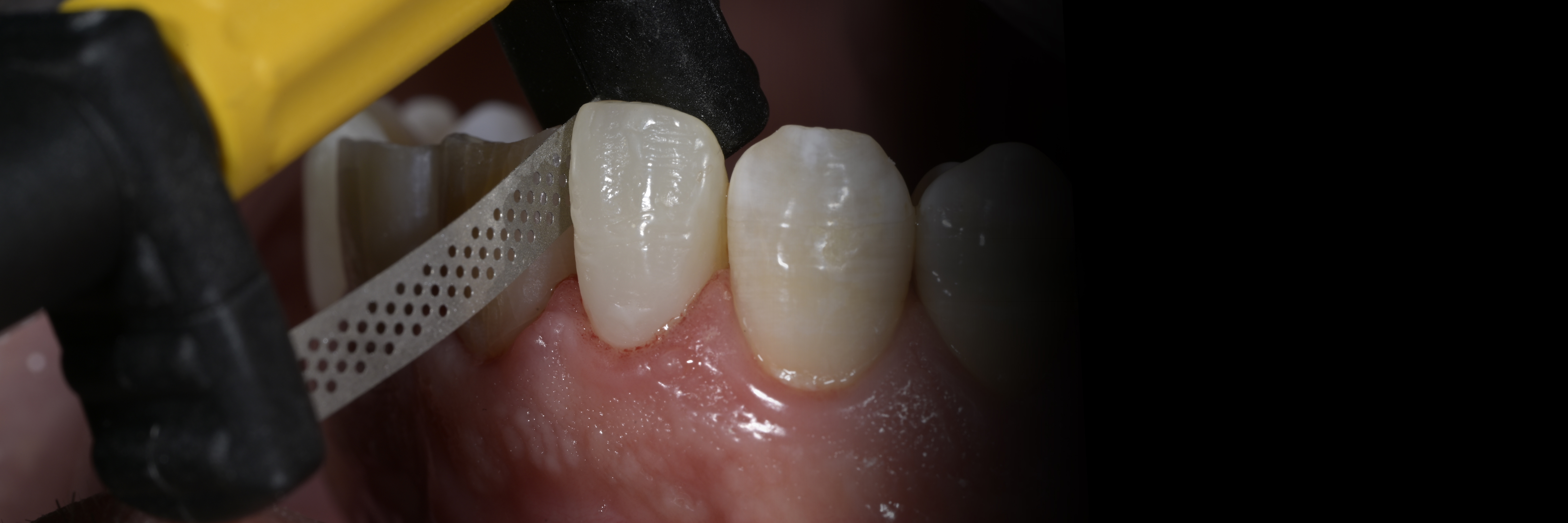
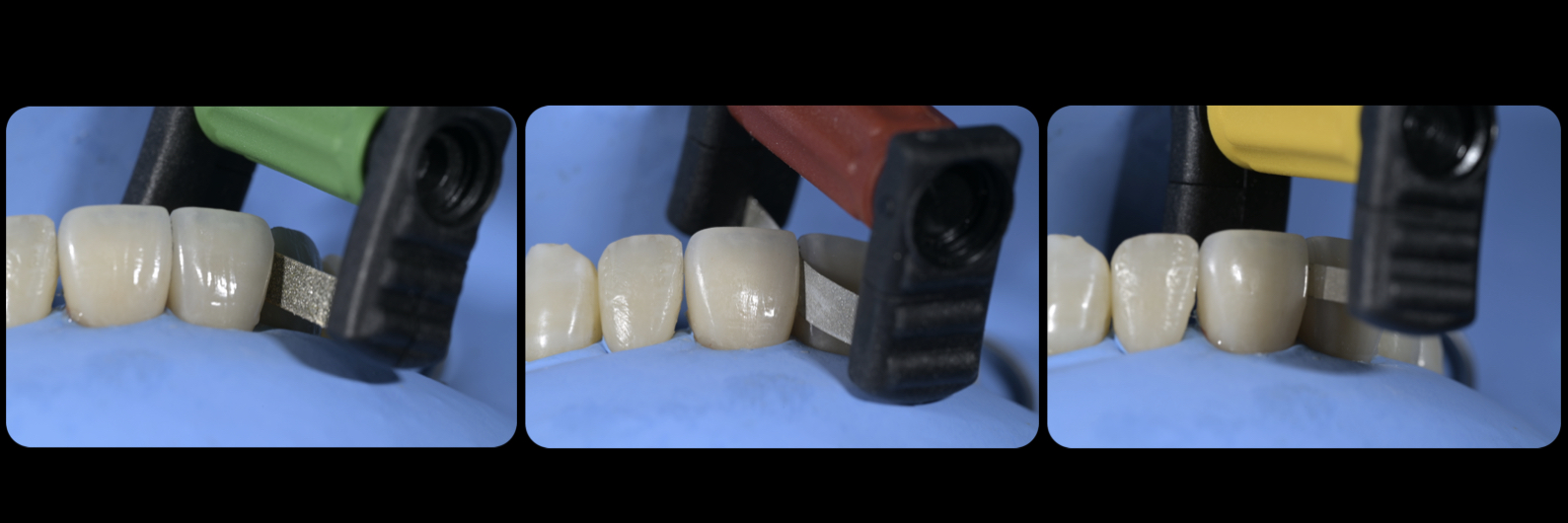
| Figure 5: Using the Garrison FitStrip 0.11 mm super fine to begin the preparation sequence. |
|
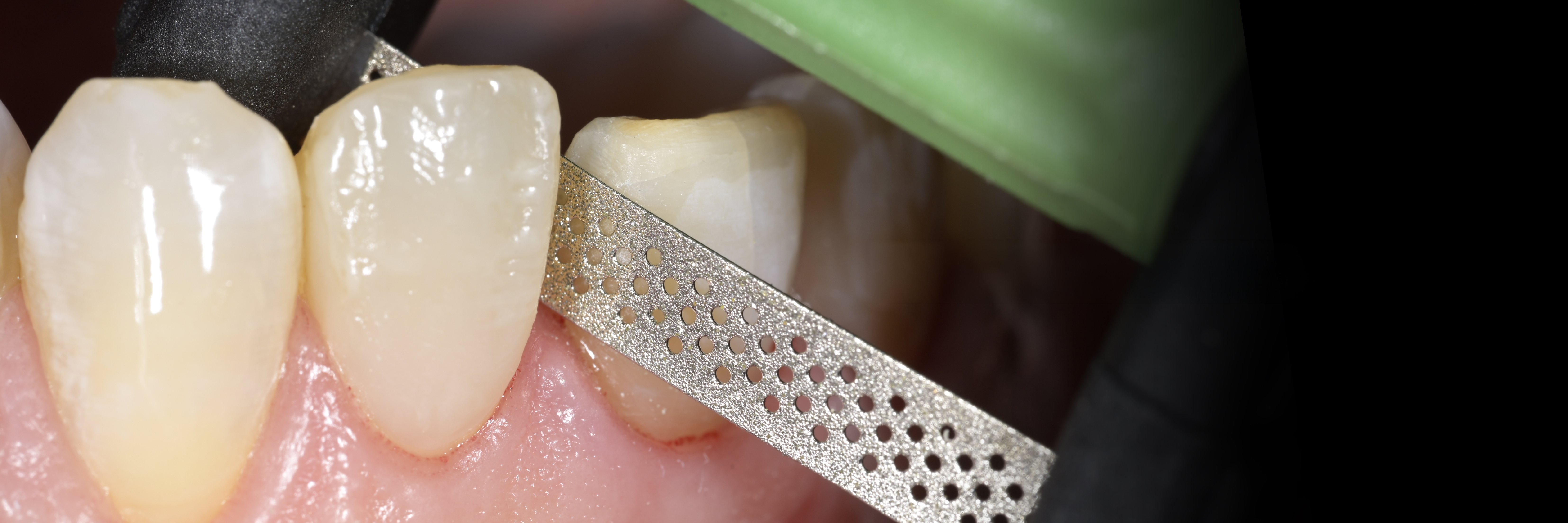
| Figure 6: The 0.30 mm coarse FitStrip is the next step. |
|
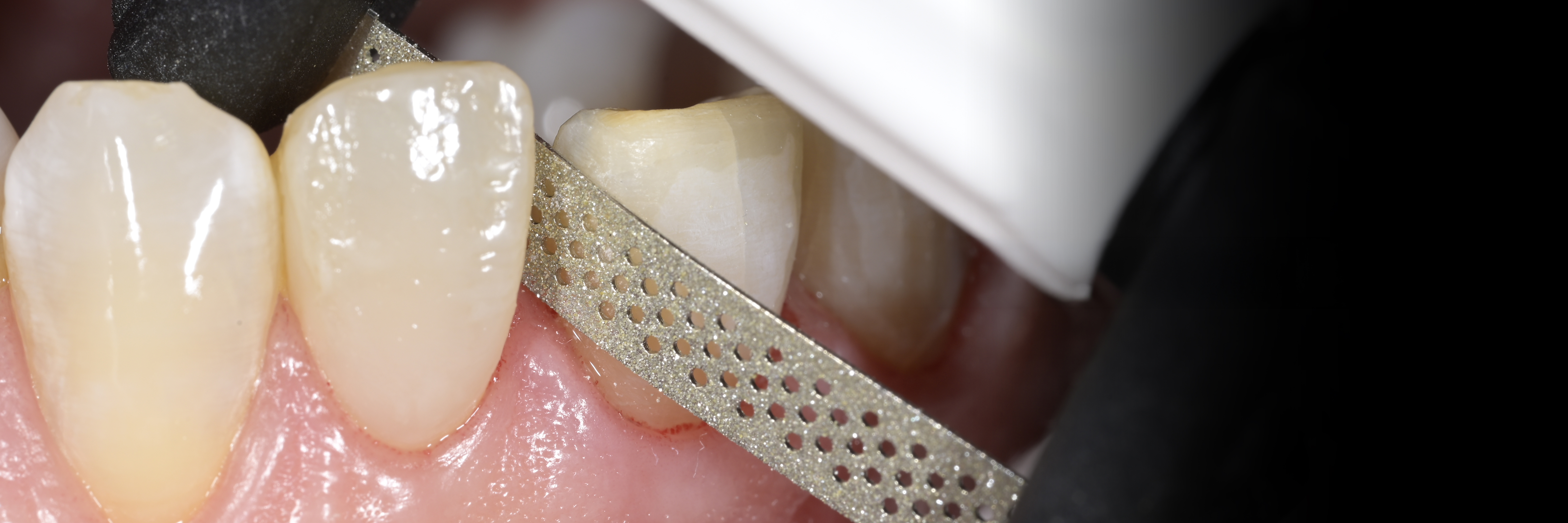
| Figure 7: The Garrison FitStrip 0.40 mm is used to complete preparation. |
|
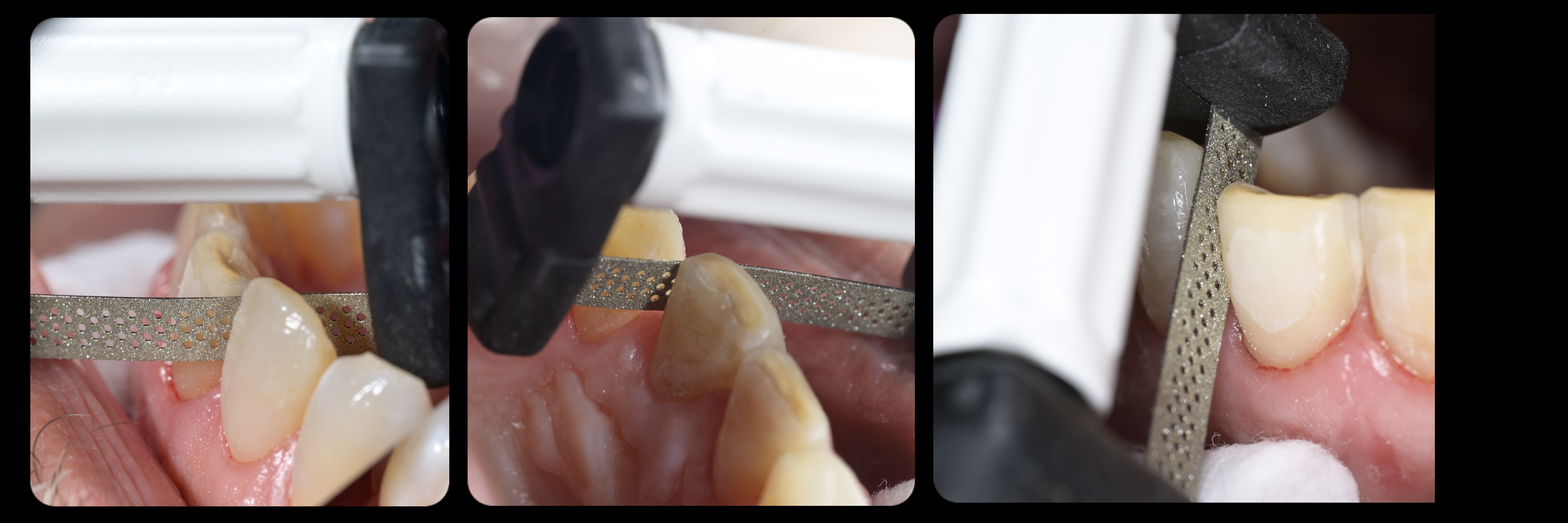
| Figure 8: The perforated abrasive strip allows cleaner execution because teh multiple holes in the strip enable immediate and easier removal of abrasive debris. |
|
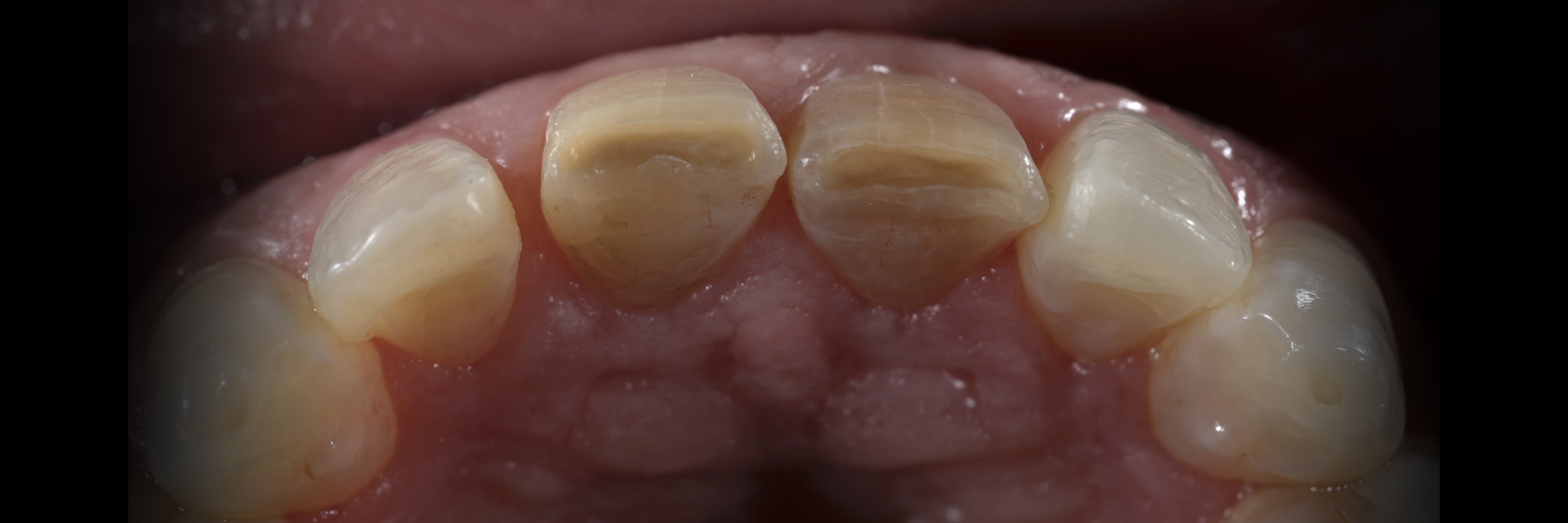
| Figure 9: Occlusal view of the finalized tooth perparations. |
|
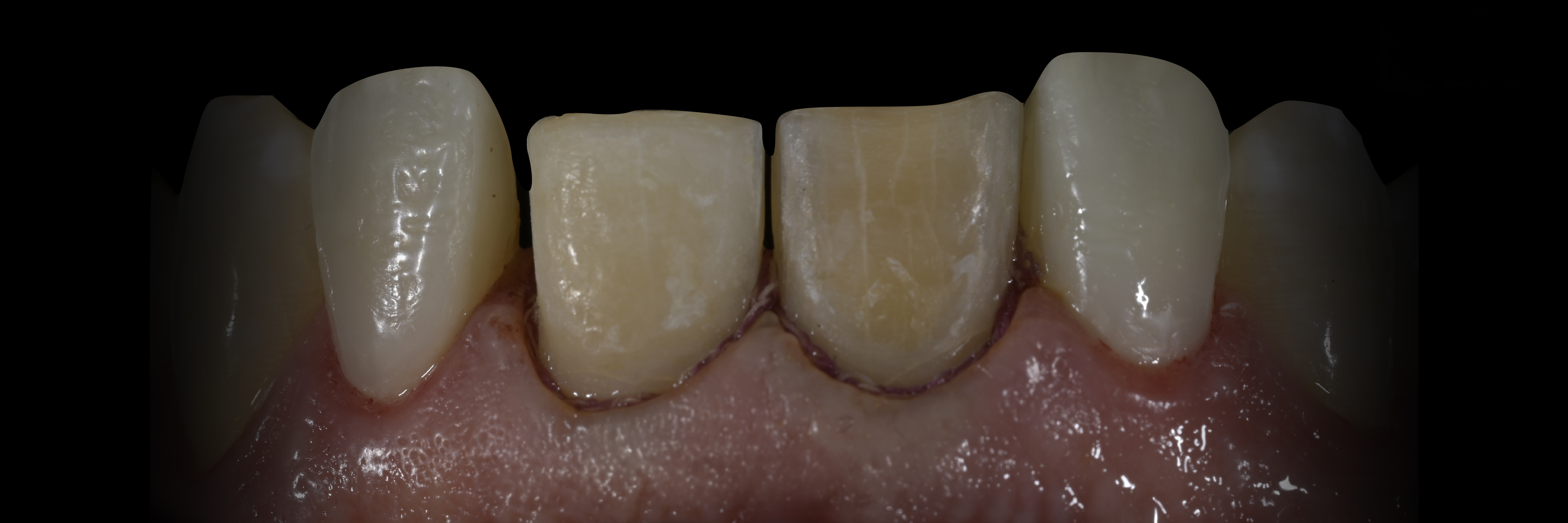
| Figure 10: Placement of retraction cords for intraoral scanning or traditional analog impressions. |
|
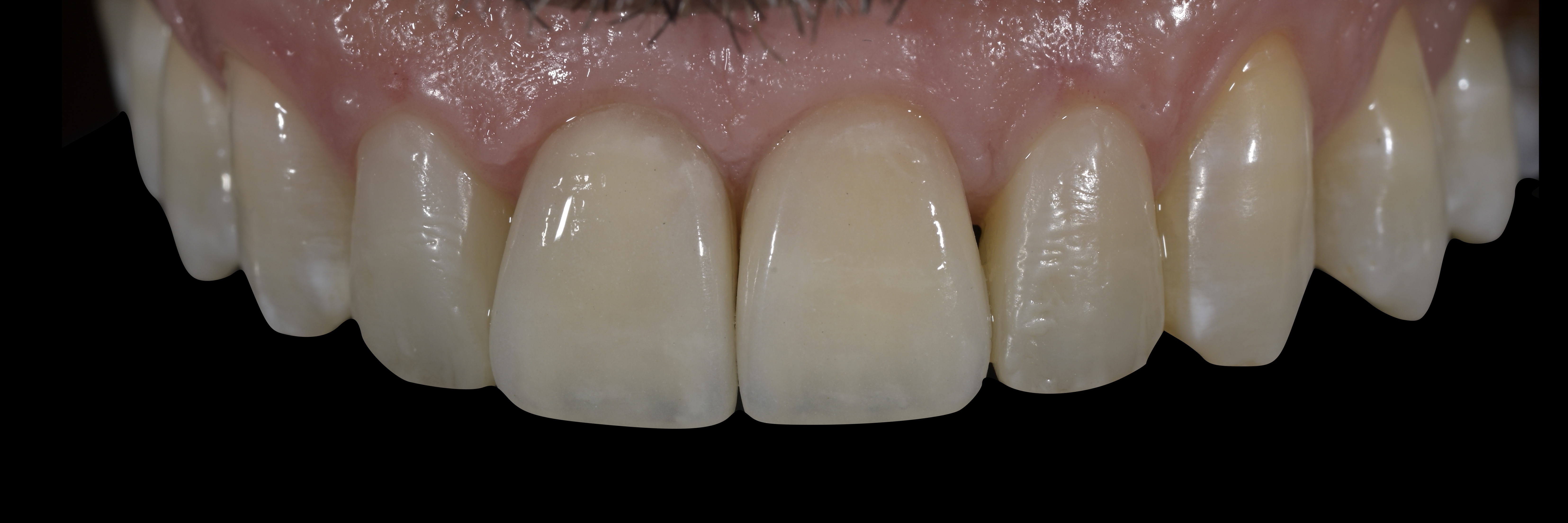
| Figure 11: Testing the restorations intraorally. |
|
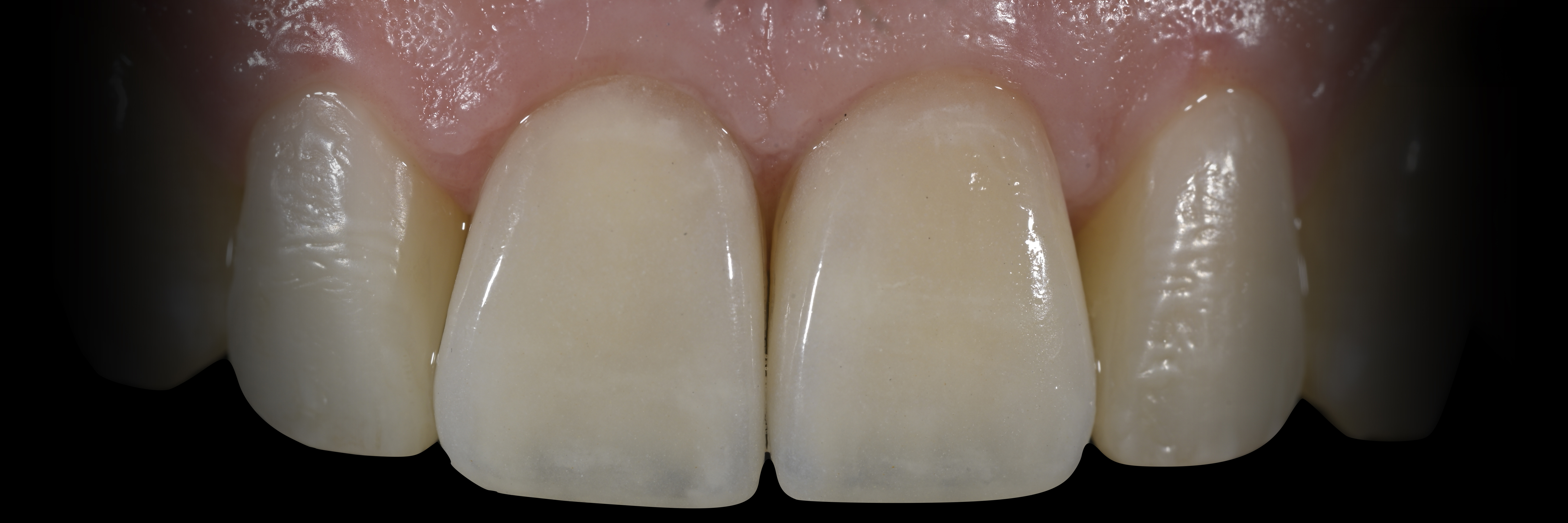
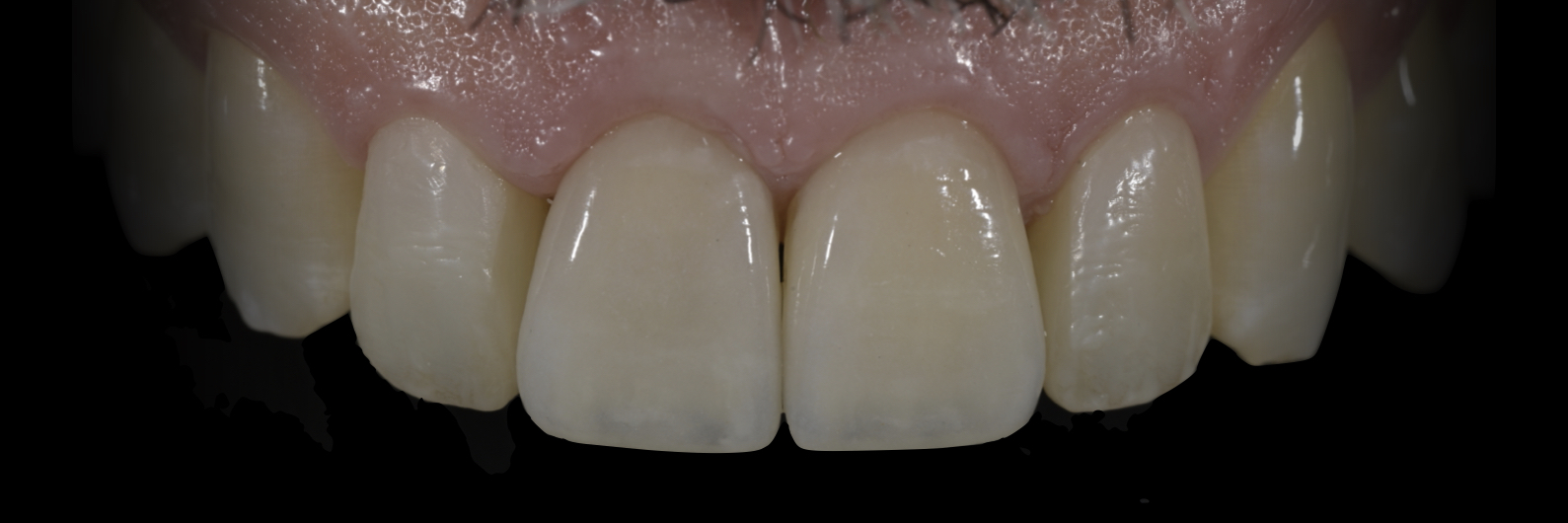
| Figure 12: Close-up view of the ceramic restorations in place, excellent integration in terms of esthetics and precision. |
|
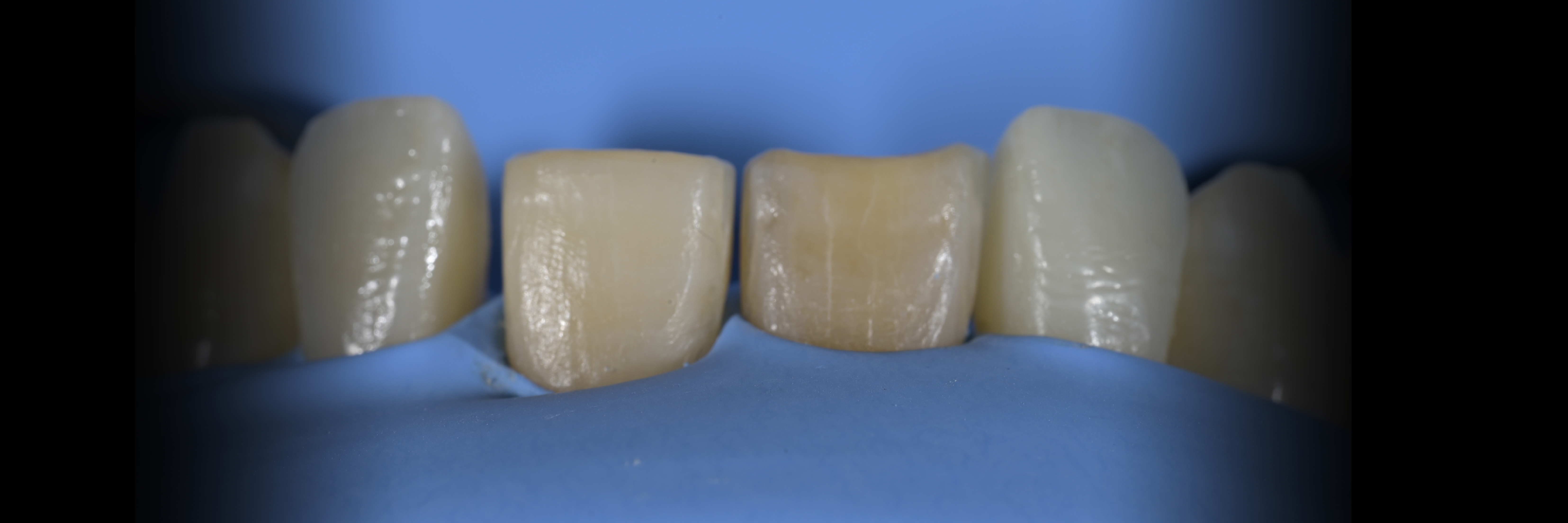
| Figure 13: Placement of the rubber dam, |
|
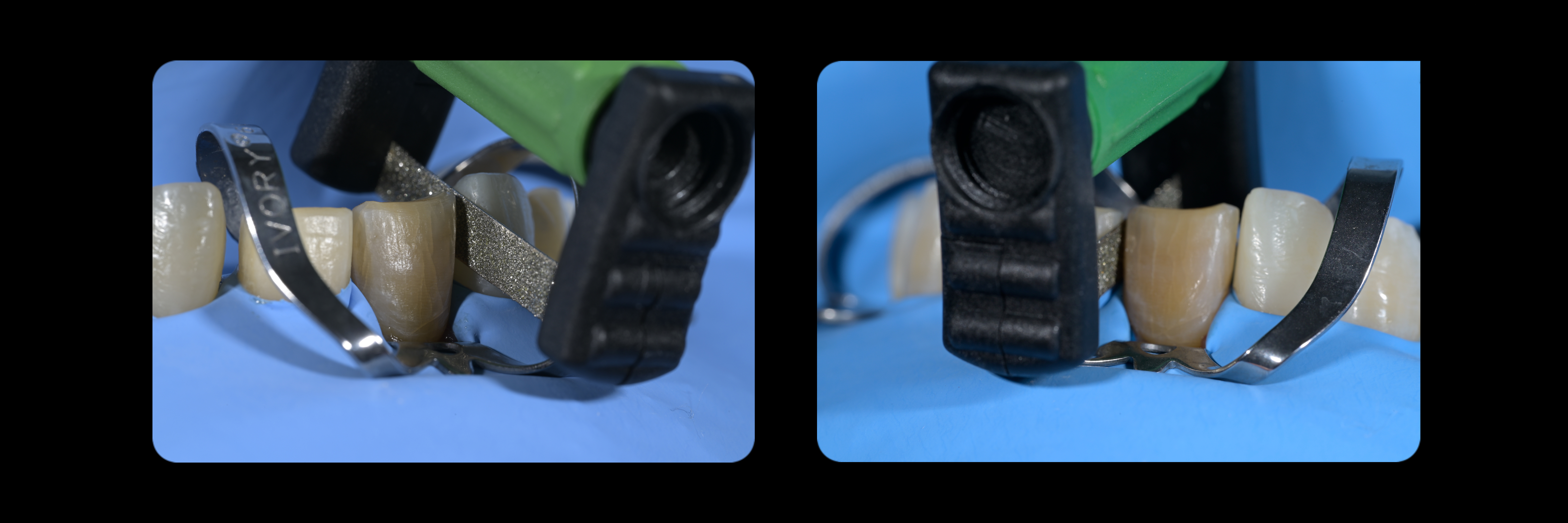
| Figure 14: Inspection and minimally invasive cleaning of the proximal surfaces of the tooth preparations. |
|
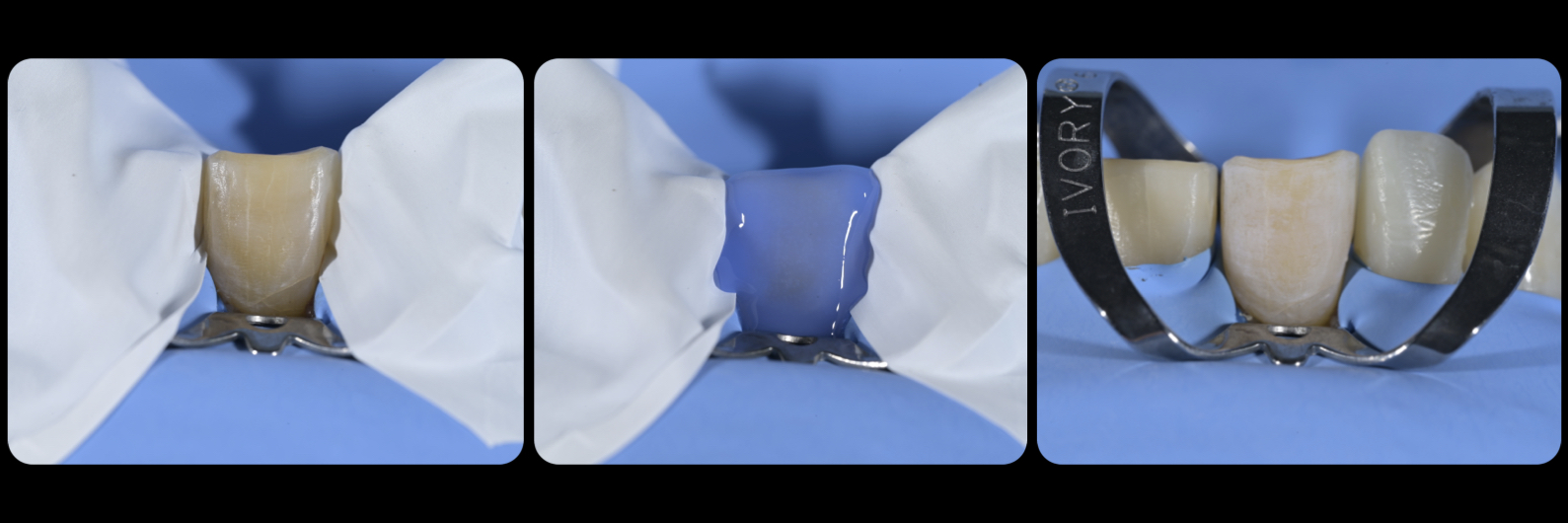
| Figure 15: Inspection and minimally invasive cleaning of the proximal surfaces of the tooth preparations. (cont.) |
|
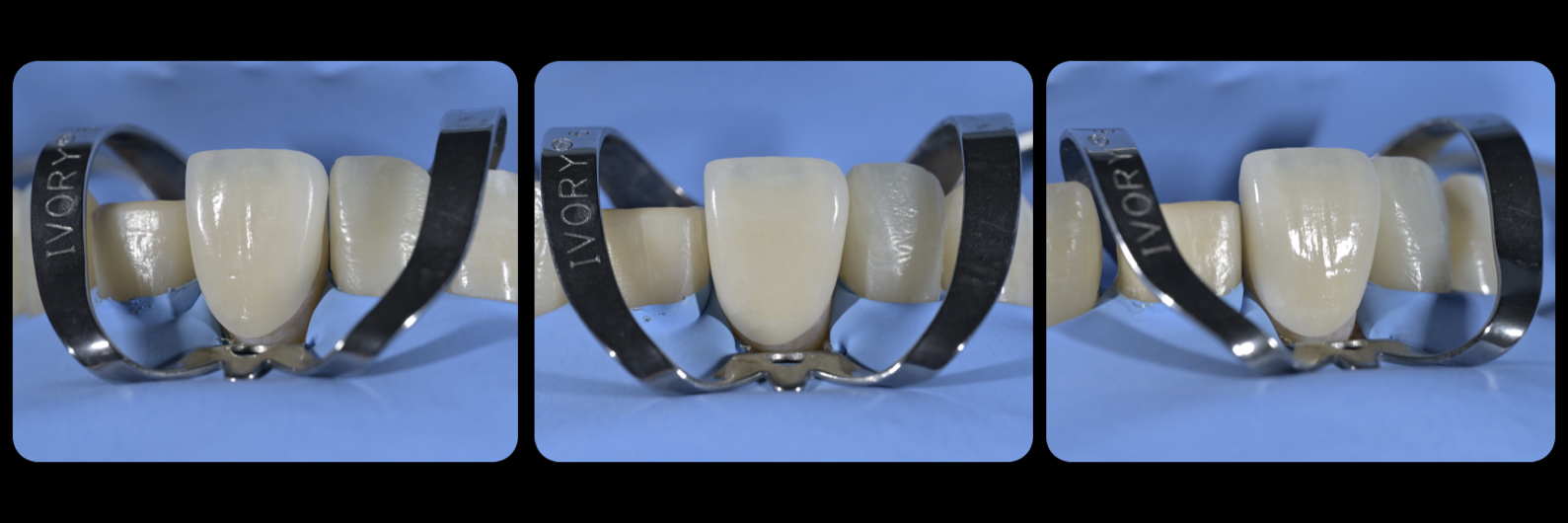
| Figure 16: Enamel etching sequence. |
|
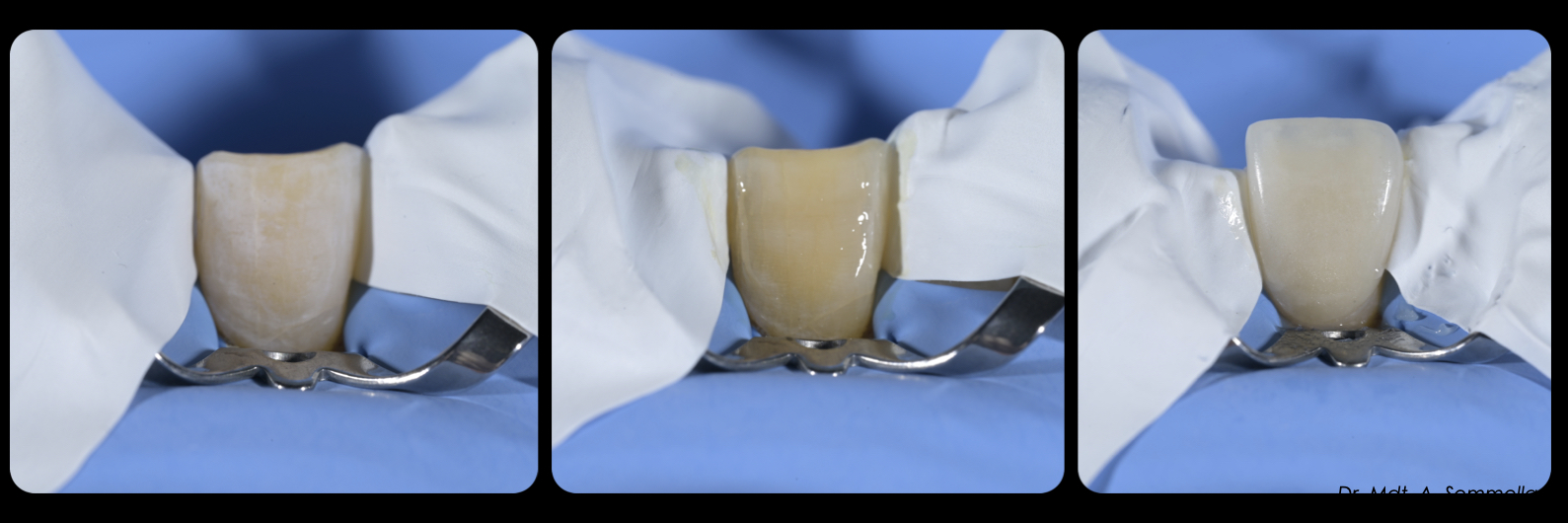
| Figure 17: Final testing to verify correct positioning of the single veneer on the tooth preparation, |
|
| Figure 18: Ceramic veneer bonding sequence. |
|
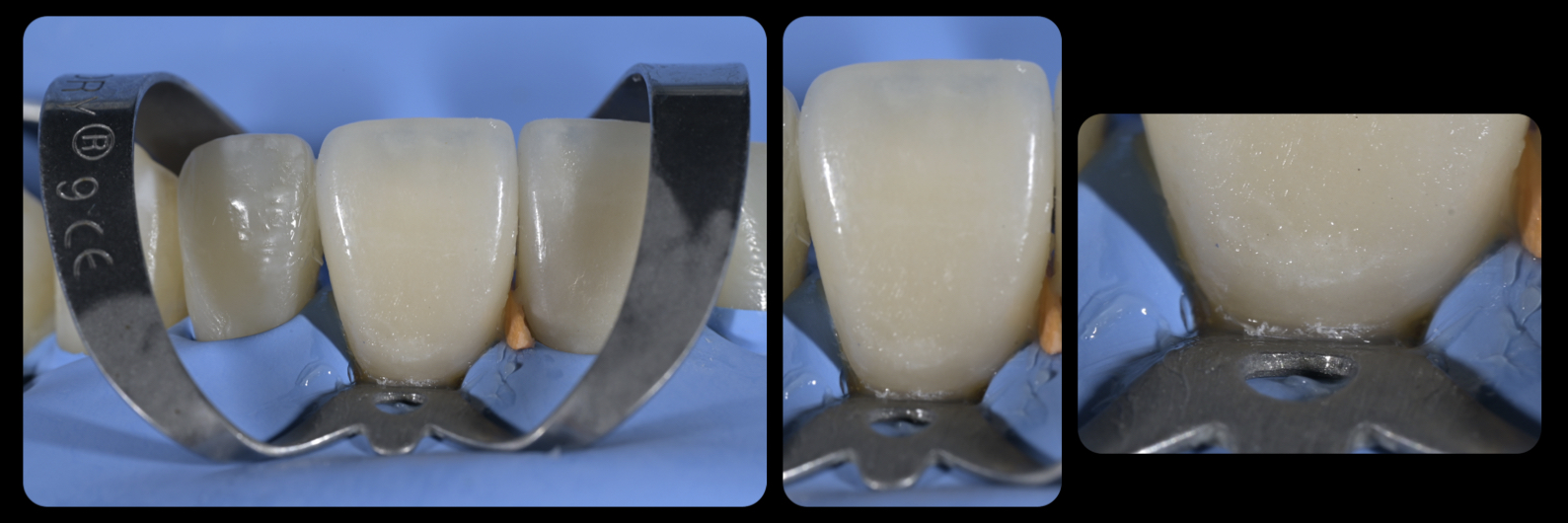
| Figure 19: Detail showing the marginal precision of the ceramic veneer after bonding. |
|
| Figure 20: Refinement of the proximal areas, highlighting the three-step sequence. |
|
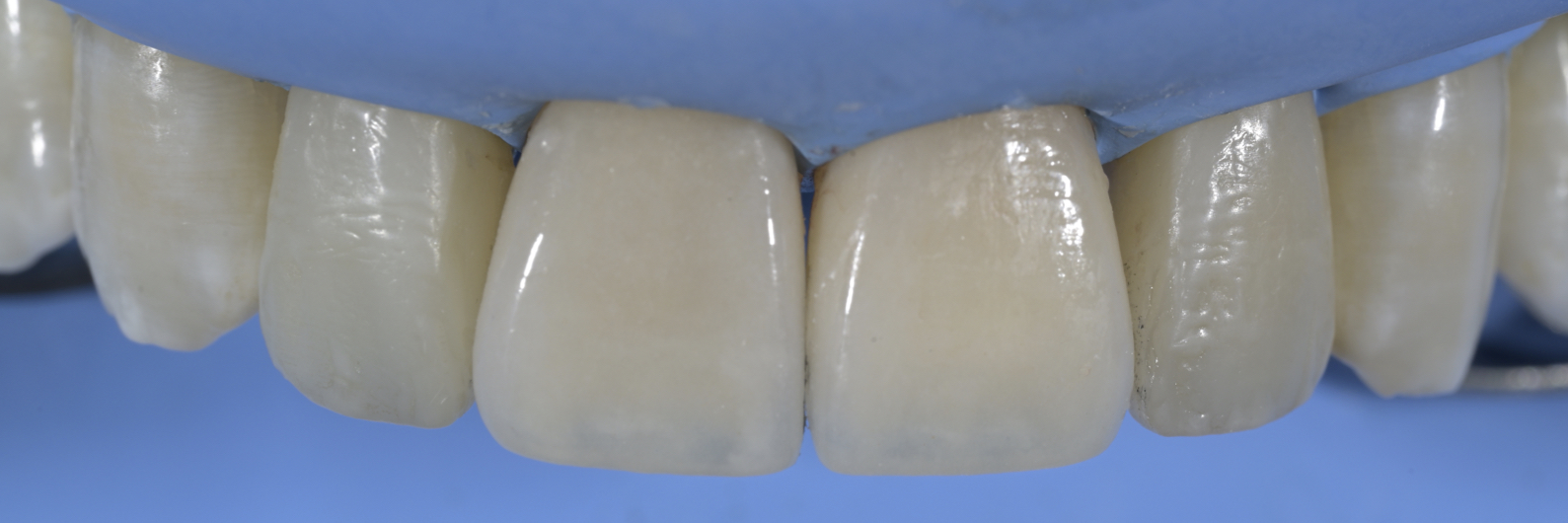
| Figure 21: Ceramic veneer bonding completed. |
|
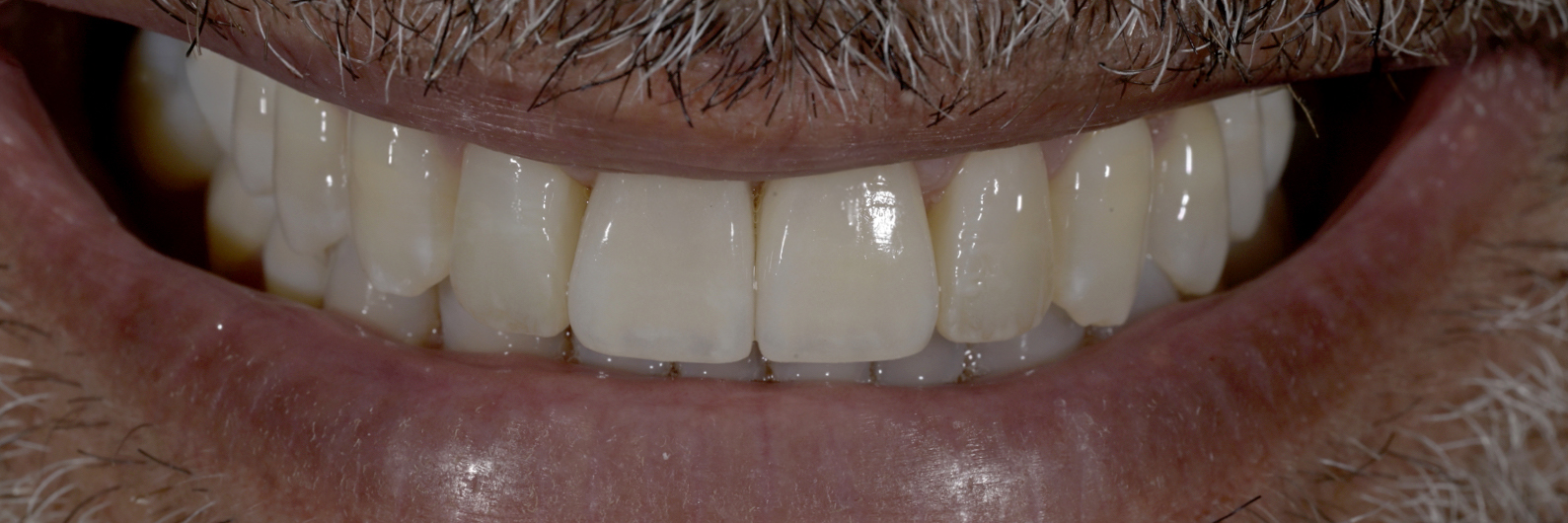
| Figure 22: Final case result. |
|
| Figure 23: Close-up view of the restorations show good integration. |