Background
Interproximal reduction (IPR) is a critical component of many clear aligner treatment plans. Whether creating space for alignment, improving contact relationships, or reducing the appearance of black triangles, successful IPR requires precision, efficiency, and predictability.
Over the years, I have utilized a variety of IPR systems, including manual strips, and traditional flame-shaped IPR burs. While each technique has its advantages, many present challenges related to access, accuracy, efficiency, or consistency of enamel reduction.
One of the most common frustrations I personally associated with IPR is balancing efficiency with precision. Manual strips offer excellent control but can be time-consuming, particularly when larger reductions are required. Traditional burs can be faster but often require careful technique to avoid creating uneven reduction patterns or excessive tapering within the contact area.
In clear aligner therapy, even small inaccuracies in planned IPR can affect tooth movement and tracking. Because orthodontic treatment relies on highly controlled staging, clinicians need an IPR system that can consistently deliver the prescribed amount of enamel reduction while minimizing chair time.
Procedure
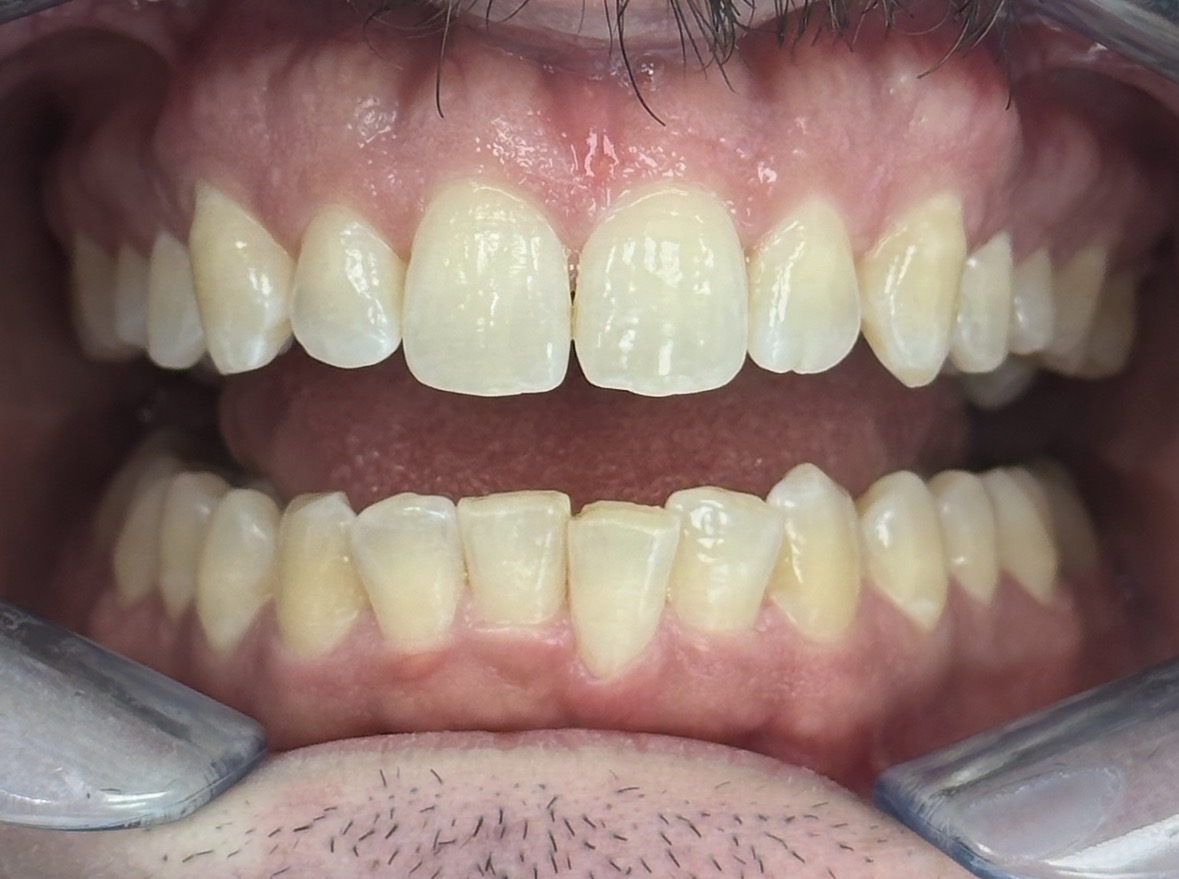
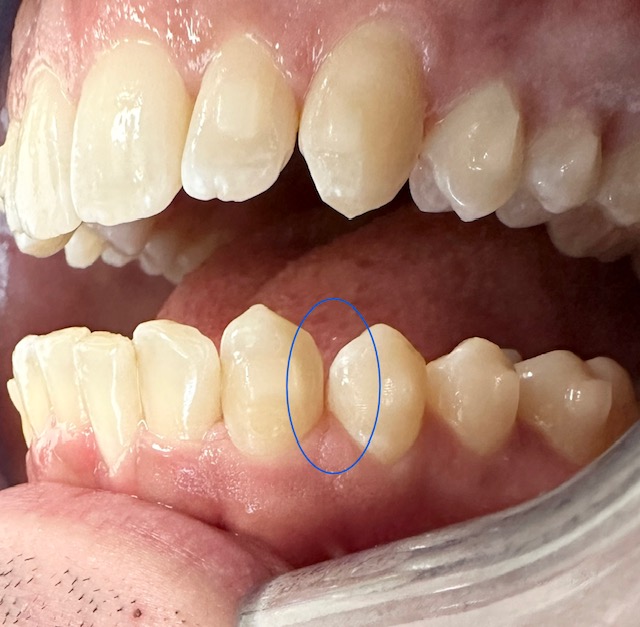
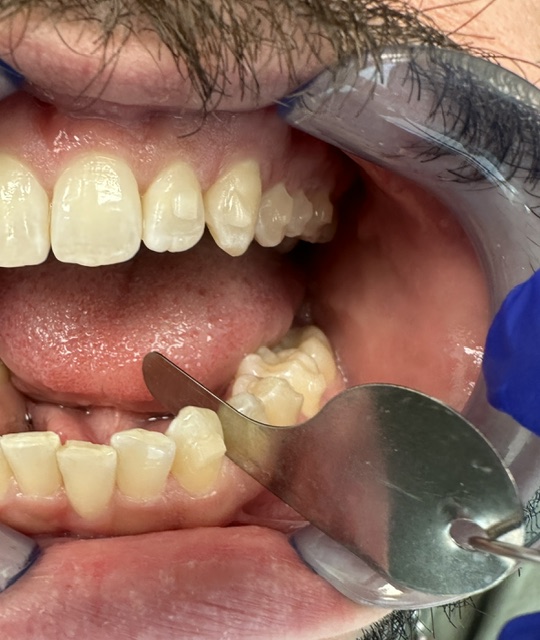
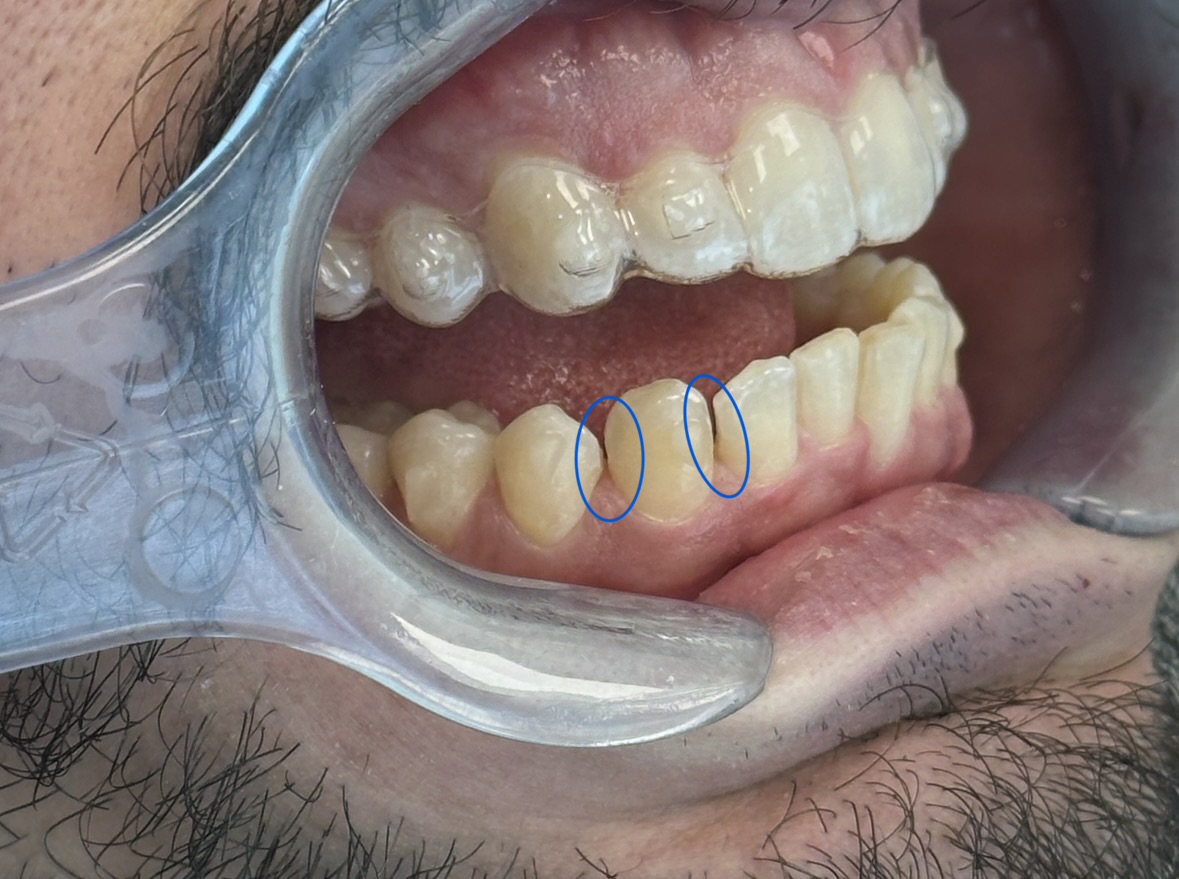
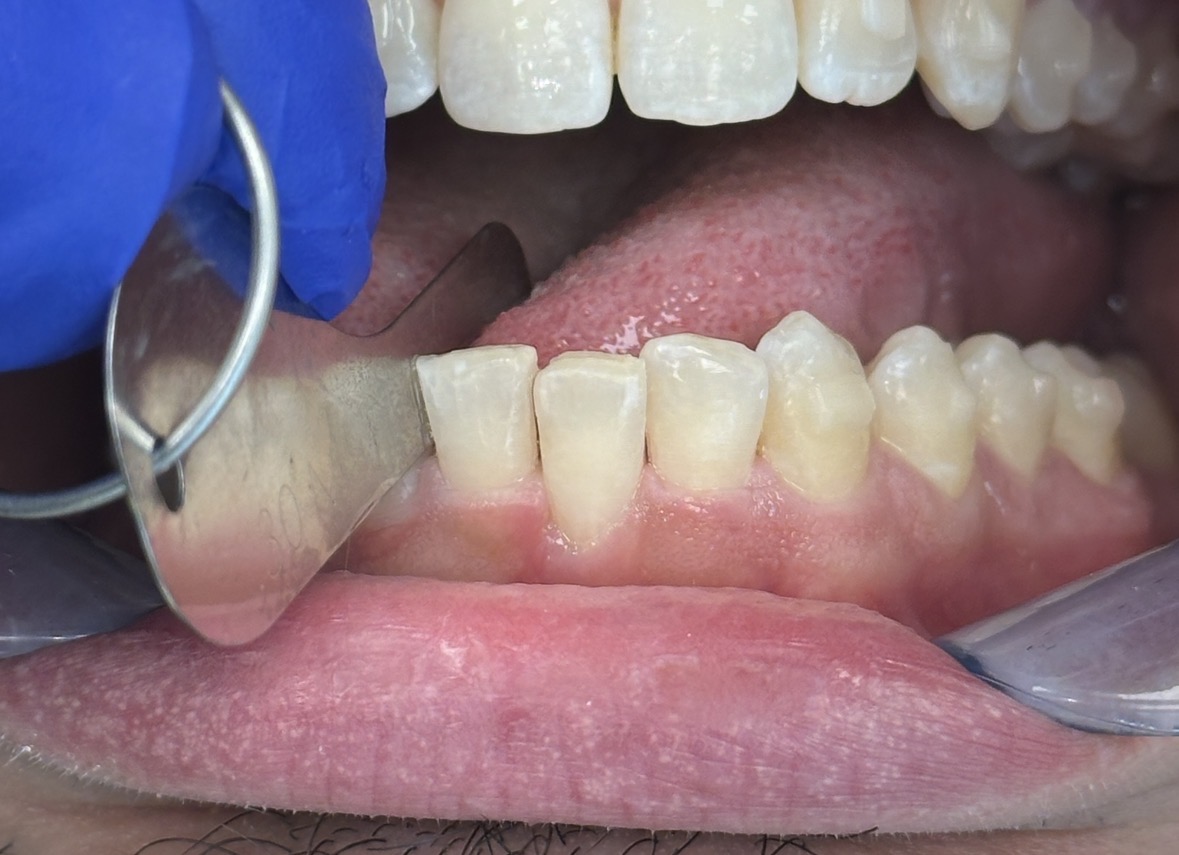
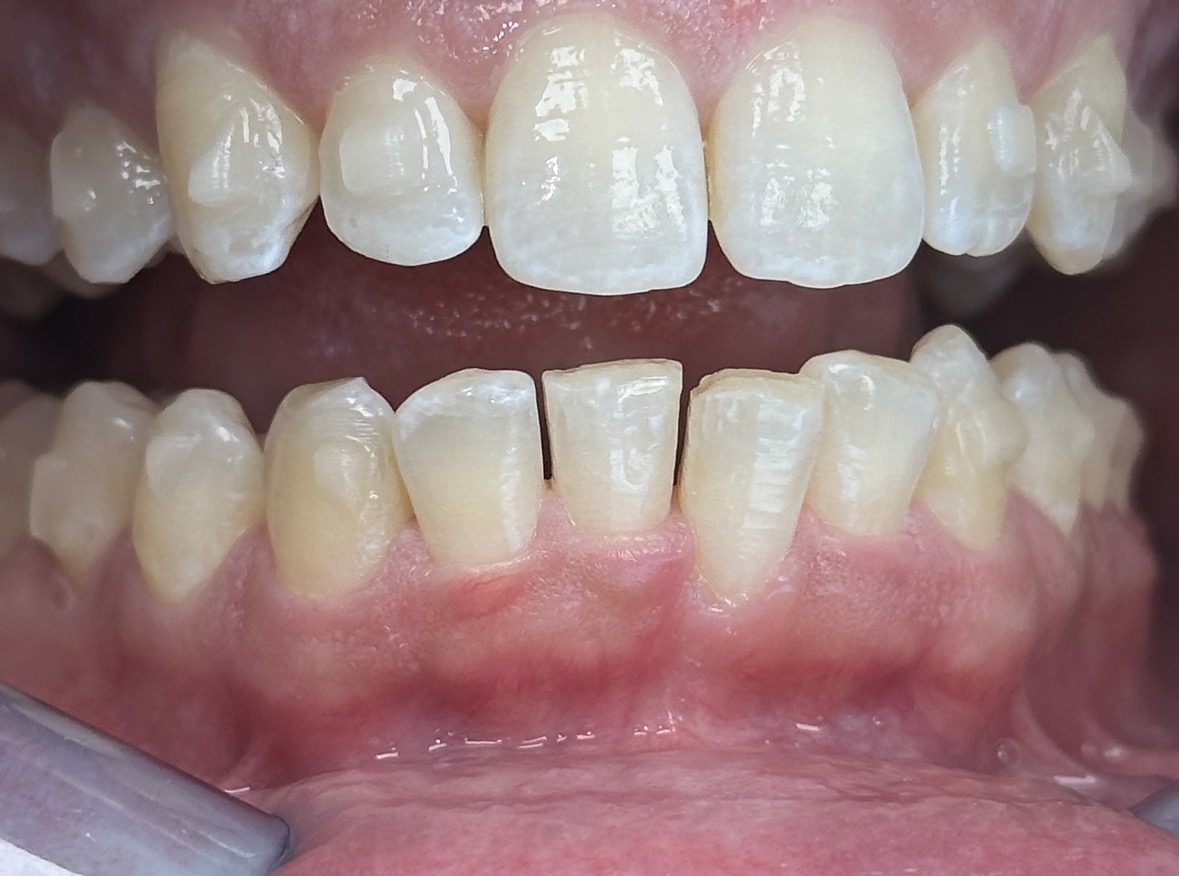
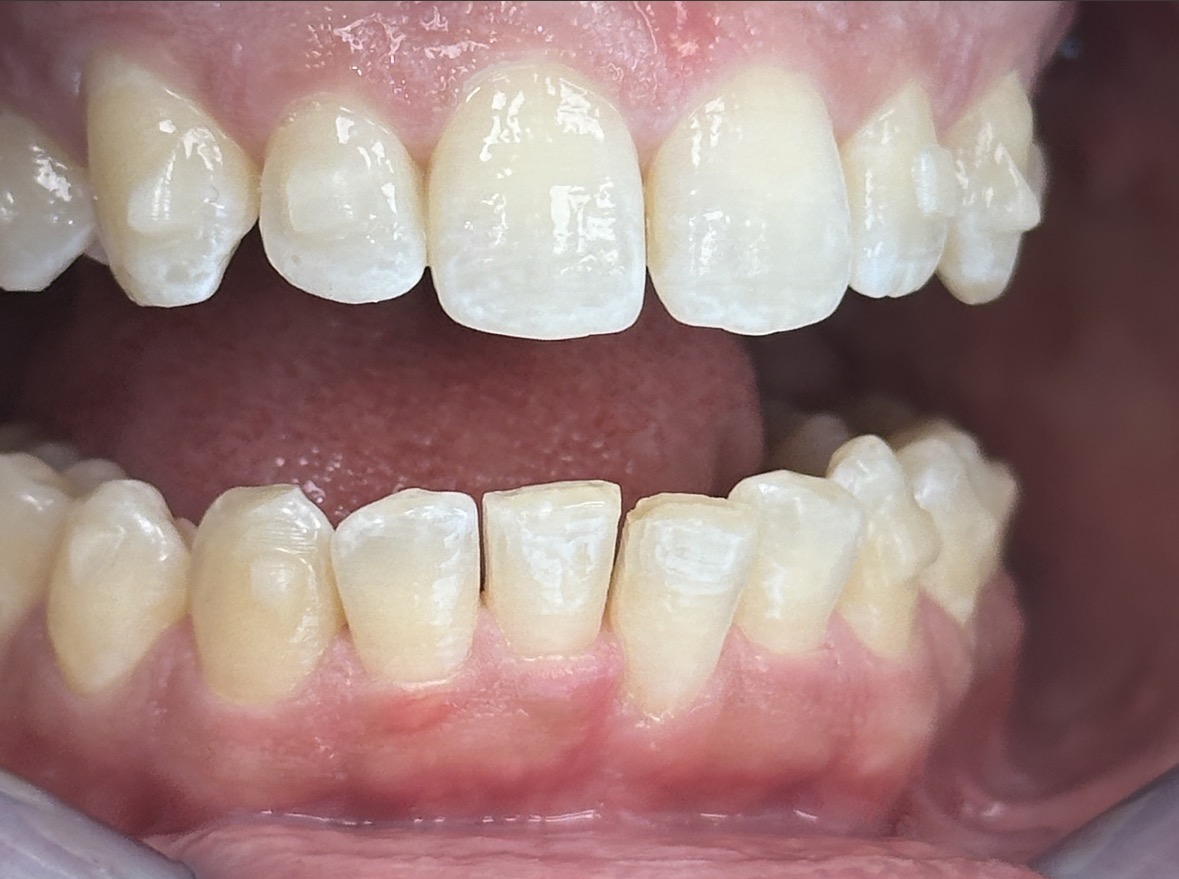
The cases selected for evaluation included mild to moderate anterior crowding, lower incisor alignment, and cases requiring space creation for predictable tooth movement. Several cases also involved refinement of contact areas to improve final esthetics and reduce black triangle formation.
|
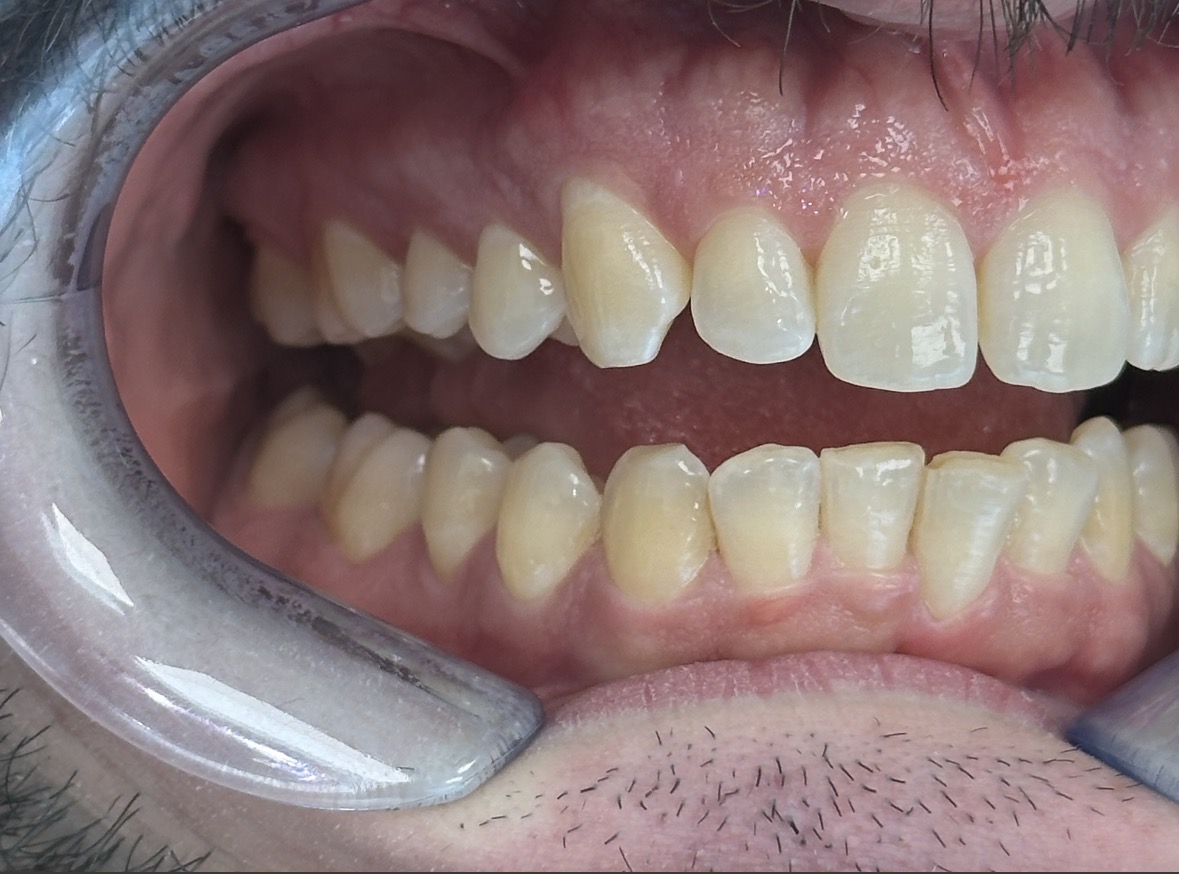
|
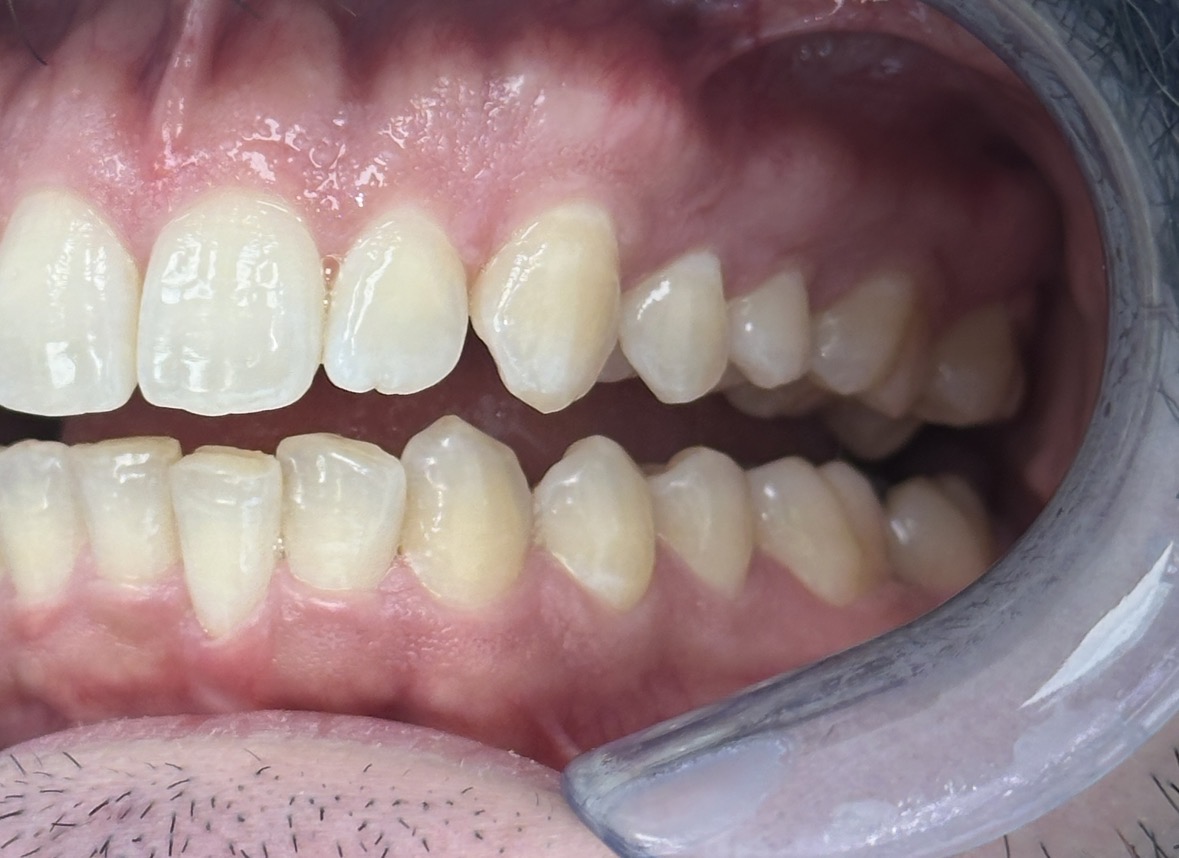
|
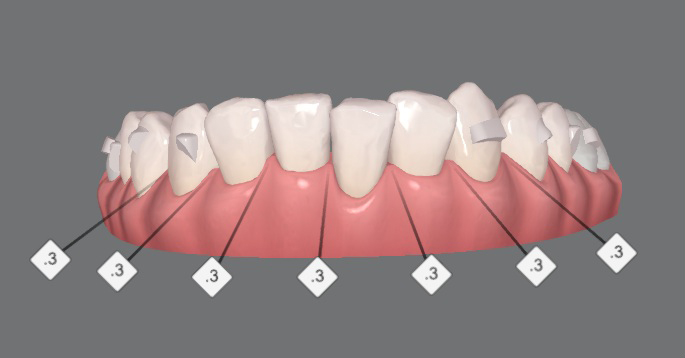
|
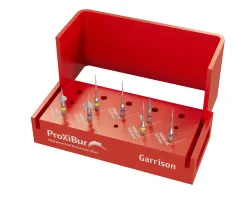
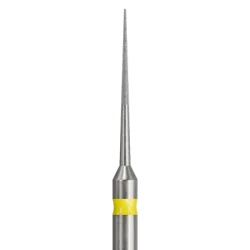
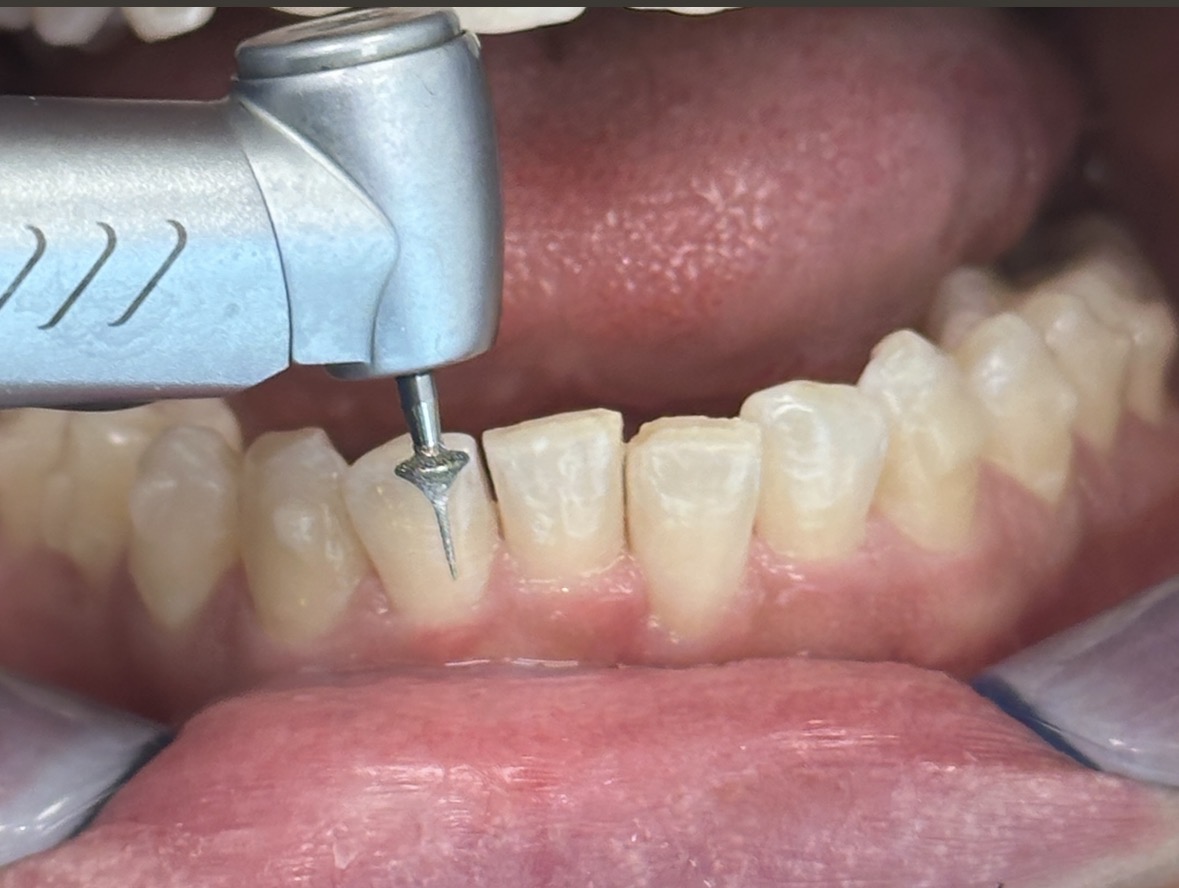
My first impression of the ProxiBurs™ system was the thoughtful design and ease of use. The burs entered contact areas smoothly and provided excellent tactile feedback during enamel reduction.
One of the most noticeable differences compared with traditional flame-shaped burs was the ability to create a more uniform reduction across the contact area. The design allowed for controlled enamel removal without the tendency to create excessive tapering or uneven contact morphology.
Access was particularly favorable in the anterior region, where visibility and control are essential. The slim profile allowed me to work comfortably even in relatively tight contacts while maintaining a clear view of the operative field.
During treatment, the burs cut efficiently without feeling overly aggressive. This balance provided confidence that the prescribed reduction could be achieved while minimizing the risk of inadvertently removing excess enamel.
From a workflow standpoint, ProxiBurs™ significantly streamlined the IPR process.
ProxiBurs™ often allowed me to complete the reduction more efficiently. The reduced procedure time was noticeable for both the clinical team and the patient. The predictable cutting action also reduced the need for repeated verification and adjustment. Once access to the contact was established, the reduction progressed smoothly and consistently.
As a busy Invisalign provider, efficiency matters. The ProxiBurs™ system integrated easily into my existing workflow without requiring significant changes in technique or instrumentation.
SKU: PRXR01M |
Key Advantages Observed
Several benefits became apparent throughout the field testing process:
- Efficient enamel reduction with excellent tactile control
- Consistent and predictable contact modification
- Reduced chair time compared with traditional manual techniques
- Smooth integration into existing Invisalign workflows
- Positive patient acceptance and comfort
- Enhanced confidence when performing prescribed IPR amounts
These advantages collectively contributed to a more streamlined and predictable orthodontic experience.
|
|
|
|
|
|
Conclusion
Interproximal reduction remains an essential component of modern clear aligner therapy, and clinicians need instruments that deliver both efficiency and precision. Throughout my evaluation of the Garrison ProxiBurs™ system, I found the burs to be intuitive, predictable, and highly effective for Invisalign treatment workflows.
The system provided excellent access, controlled enamel reduction, and a level of consistency that helped simplify what can often be a technique-sensitive procedure. By reducing chair time while maintaining clinical accuracy, ProxiBurs™ allowed me to focus more on treatment objectives and patient care rather than instrumentation challenges.
Perhaps most importantly, the burs integrated seamlessly into my existing orthodontic workflow. There was virtually no learning curve, and the benefits became apparent from the first few cases. The ability to achieve precise IPR efficiently and predictably is valuable for both clinicians and patients alike.
For clinicians performing IPR as part of clear aligner therapy, ProxiBurs™ represents a meaningful advancement that combines efficiency, control, and predictability into a simple and practical clinical tool.